


Eagleview Eye Clinic
Contact Lenses
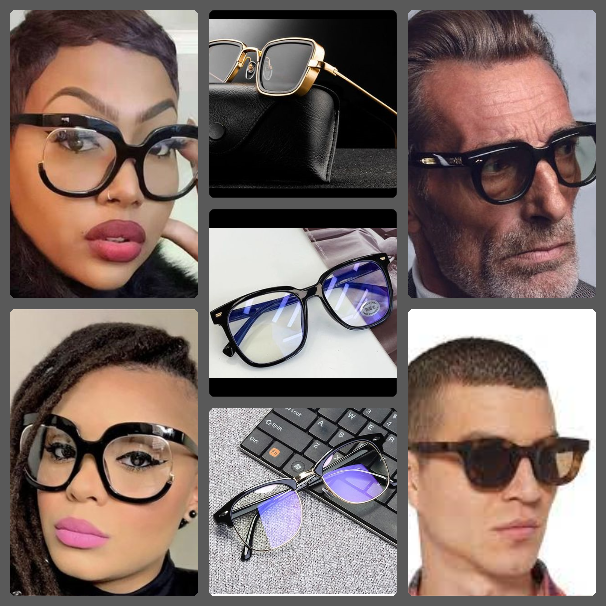
We provide prescription and strictly fashion contact lenses

01

Contact Lenses
We provide prescription and strictly fashion contact lenses
Specialty Surgeries
We perform various types of specialty eye surgeries

02

Specialty Surgeries
We perform various types of specialty eye surgeries
Orthoptics
We manage all forms of strabismus, phoria, etc

03

Orthoptics
We manage all forms of strabismus, phoria, etc
Occupational Vision
We focus of workplace visual safety

04

Occupational Vision
We focus of workplace visual safety
About Us

Why Choose Us?

We offer not only physical but online consultations. We partner with various specialists, to ensure quality delivery of eye care services. Below are a few of our services:

  • Refraction
  • Low vision therapy
  • Orthoptics
  • Ocular prosthesis
  • Occupational vision therapy
  • Ocular disease management
  • Contact lens
  • Glaucoma Management

Our Services

Things We Do

A multi-disciplinary Eye Care Center and an Optical Store

This foundation is aimed at reducing the life long cost of procurement of glaucoma medications for glaucoma patients
This foundation is aimed at reducing childhood blindness, uncorrected refractive errors, etc.
We retail all kinds of opthalmic equipment ranging from Autorefractors, Tonometers, Opthalmic Frames, LED Charts
We have varying kind, colours, patterns, of ocular prosthesis to improve aesthetics of the eye
Our Partners

We are not Alone Alone

To effectively deliver standard and affordable eye care care services, we partners with different organizations. If you share our goal, we invite you to partner with us today!

Ministry Of Health, Oyo
All cash received from sales and from all other sources has to be carefully identified....
IHMS HMO
All cash received from sales and from all other sources has to be carefully identified....
National Health Insurance Scheme
All cash received from sales and from all other sources has to be carefully identified....
Axa Mansard
All cash received from sales and from all other sources has to be carefully identified....
Eye Care Tips

Know Your Eyes Your Eyes Your Eyes

Everything you need to know about your eye is right here...

B – SCAN

A B-scan ultrasound 👀 is a diagnostic test that uses sound waves to create images of the eye’s internal structures, especially the posterior segment.

Key uses

  • Retinal detachment: Shows if the retina is detached or torn.
  • Vitreous hemorrhage: Visualizes blood in the vitreous.
  • Tumors: Helps identify and measure eye tumors.
  • Foreign bodies: Locates objects inside the eye.
  • Trauma assessment: Evaluates damage when the eye’s hard to examine.

How it works

  1. Probe placement: Gel is applied; the probe is placed on the eyelid (closed or open).
  2. Sound waves: Echoes bounce off structures, creating images.
  3. Interpretation: Images show structures like the retina, vitreous, and orbit.

Types of scans

  • Axial scan: Shows structures along the eye’s axis.
  • Longitudinal scan: Images are taken in different meridians.

Tips

  • Painless and non-invasive.
  • Coupling gel is used for better contact.
  • Results are immediate.

Eye Health Education
B – SCAN

A B-scan ultrasound 👀 is a diagnostic test that uses sound waves to create images of the eye’s internal structures, especially the posterior segment.

Key uses

  • Retinal detachment: Shows if the retina is detached or torn.
  • Vitreous hemorrhage: Visualizes blood in the vitreous.
  • Tumors: Helps identify and measure eye tumors.
  • Foreign bodies: Locates objects inside the eye.
  • Trauma assessment: Evaluates damage when the eye’s hard to examine.

How it works

  1. Probe placement: Gel is applied; the probe is placed on the eyelid (closed or open).
  2. Sound waves: Echoes bounce off structures, creating images.
  3. Interpretation: Images show structures like the retina, vitreous, and orbit.

Types of scans

  • Axial scan: Shows structures along the eye’s axis.
  • Longitudinal scan: Images are taken in different meridians.

Tips

  • Painless and non-invasive.
  • Coupling gel is used for better contact.
  • Results are immediate.

MIRROR TEST

The mirror test đŸȘž is a sneaky way to check if someone’s faking vision loss in one eye (malingering).

How it works

  1. Patient claims blindness in one eye.
  2. Place a mirror in front of them, angled to show their “blind” eye.
  3. Ask them to look straight ahead.
  4. Check if they react to their own reflection (e.g., blink, move, etc.).

What it shows

  • If they react to their reflection, it suggests the “blind” eye can see.
  • If they don’t react, could be malingering
 or really blind 😅.

Tips

  • Casual setup: Make it seem like a normal exam step.
  • Distract them: Talk about something else while doing the test.
  • Combine with other tests for stronger evidence.

Eye Health Education
MIRROR TEST

The mirror test đŸȘž is a sneaky way to check if someone’s faking vision loss in one eye (malingering).

How it works

  1. Patient claims blindness in one eye.
  2. Place a mirror in front of them, angled to show their “blind” eye.
  3. Ask them to look straight ahead.
  4. Check if they react to their own reflection (e.g., blink, move, etc.).

What it shows

  • If they react to their reflection, it suggests the “blind” eye can see.
  • If they don’t react, could be malingering
 or really blind 😅.

Tips

  • Casual setup: Make it seem like a normal exam step.
  • Distract them: Talk about something else while doing the test.
  • Combine with other tests for stronger evidence.

FOGGING TEST

The fogging test 👀 is a clever way to uncover malingering (faking vision loss in one eye).

How it works

  1. Patient wears trial frame with +5.00 D lens over the “good” eye (blurs vision).
  2. Read the chart with “bad” eye (you’re checking if they can see better than claimed).
  3. If they suddenly read smaller lines, they’re likely malingering (using the “bad” eye all along).

Sneaky part

  • They think the “good” eye is being tested (because it’s fogged).
  • If they see better with the “bad” eye, it proves vision is actually better than claimed.

Tips

  • Don’t tip them off → act like you’re testing the “good” eye.
  • Quick switch lenses if needed to confirm findings.
  • Combine with other tests (e.g., stereoacuity) for stronger evidence.

Example

  • “Test” right eye (fogged with +5 D). Patient reads 20/20 with left eye → suggests left eye is actually seeing fine (malingering?).

Limitations

  • Not foolproof → some patients catch on.
  • Cooperation needed → won’t work if they refuse to read.

Eye Health Education
FOGGING TEST

The fogging test 👀 is a clever way to uncover malingering (faking vision loss in one eye).

How it works

  1. Patient wears trial frame with +5.00 D lens over the “good” eye (blurs vision).
  2. Read the chart with “bad” eye (you’re checking if they can see better than claimed).
  3. If they suddenly read smaller lines, they’re likely malingering (using the “bad” eye all along).

Sneaky part

  • They think the “good” eye is being tested (because it’s fogged).
  • If they see better with the “bad” eye, it proves vision is actually better than claimed.

Tips

  • Don’t tip them off → act like you’re testing the “good” eye.
  • Quick switch lenses if needed to confirm findings.
  • Combine with other tests (e.g., stereoacuity) for stronger evidence.

Example

  • “Test” right eye (fogged with +5 D). Patient reads 20/20 with left eye → suggests left eye is actually seeing fine (malingering?).

Limitations

  • Not foolproof → some patients catch on.
  • Cooperation needed → won’t work if they refuse to read.