Myopia or short-sightedness is a type of refractive error where parallell rays of light coming frfom infinity are focused in front nof the retina when accommodation is at rest. Beacuse of this, the individual can only see objects that are close to him/her but not objects that are far away.
TYPES OF MYOPIA
Congenital Myopia; This is present from birth and is usually diagnosed by 2-3 years.
Developmental Myopia: This is usually present during the school going age and it’s sharpest rise occurs between 8-12 years. It is nicknamed ‘school myopia‘. It is not associated with any disease. Major causes include diet, genetics and some researchers claim excessive near work, like reading may aggravate it.
SYMPTOMS
Poor vision at far
The child may half-shut the eyelids in order to achieve greater clarity.
Tiredness of the eyes
Drowsiness
Upon examination and diagnosis of myopia by the optometrist, minus lenses are prescribed.
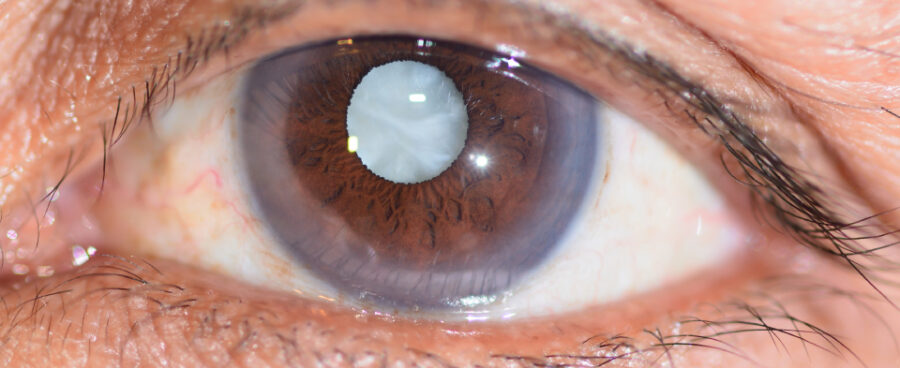
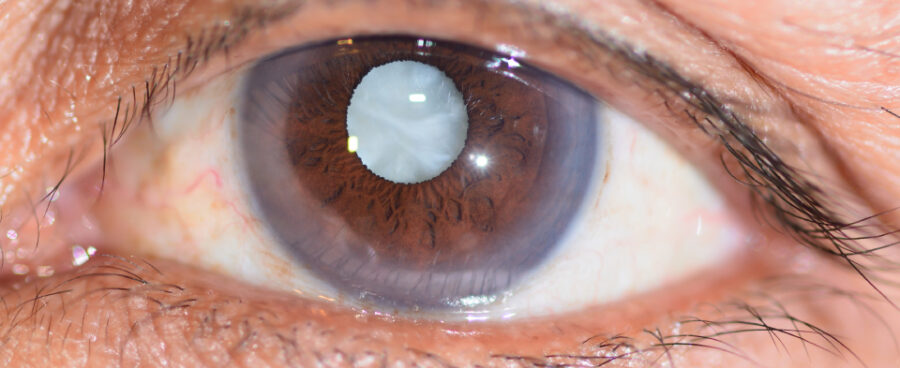
The word, ‘cataract’ dates from the Middle Ages and has been derived from the Greek word ‘katarraktes’ which means ‘waterfall’. As of today, cataract refers to the development of opacity in the lens or it’s capsule. There are so many types of cataract, classified based on it’s shape and cause. But the common types include:
Congenital and developmental cataract
Capsular cataract
Subcapsular cataract
Cortical cataract
Supranuclear Cataract
Nuclear cataract
Polar cataract
CAUSES OF CATARACT
They include:
Acquired causes e.g diabetes mellitus, drugs like steroids, miotics, etc
Systemic conditions like Lowe’s syndrome, osteomalacia, dwarfism, etc
Aging
Hereditary factor
SYMPTOMS OF CATARACT
Glare: This basically means an affected person would be extra sensitive to all sources of light,
Coloured halos: The affected person may complain of seeing rainbow in field of view when exposed to any light source
Image blur
Loss of vision
SIGNS OF CATARACT
The optometrist would perform the following tests:
Visual acuity testing
Ophthalmoscopy
Slit lamp examination
Thereafter, grading is done to determine if the cataract is mature or immature.
TREATMENT
Cataracts are usually removed surgically. However non-surgical measures can also be taken, to delay it’s progression and reduce it’s symptoms. Non-surgical measures include:
Treatment of cause of cataract. e.g for diabetic patients, controlling blood sugar can stop the progression of cataract
Topical preparations containing iodide salts of calcium and potassium are instilled in it’s early stages to delay progression
Prescribing of lenses at regular intervals helps improve vision at different stages it’s maturity
Use of dark goggles in patients with central opacity provides great source of comfort outdoors
Mydriatics are particularly useful in patients with small axial cataract as its allows light to pass through unhindered through the now enlarged pupil, hence improving vision.