Eagleview Eye Clinic

Archives June 2025

LID ECCHYMOSIS

Lid Ecchymosis

Lid ecchymosis refers to bruising or discoloration of the eyelid, typically caused by:

  • Trauma or injury to the face or eye
  • Surgery, such as blepharoplasty or orbital surgery
  • Bleeding disorders or medications that affect blood clotting

Symptoms

  1. Swelling: The eyelid may become swollen or puffy.
  2. Discoloration: The area may appear blue, purple, or black due to blood accumulation.
  3. Pain: Mild to moderate pain or tenderness may be present.

Management

  1. Cold compresses: Applying cold compresses can help reduce swelling.
  2. Elevation: Keeping the head elevated can help reduce swelling.
  3. Observation: In most cases, lid ecchymosis resolves on its own with time.
  4. Medical attention: If the bruising is severe, or if there are signs of infection or other complications, seek medical attention.

If you experience lid ecchymosis, it’s essential to consult with a healthcare professional to determine the underlying cause and appropriate treatment.

ISCHEMIC ANTERIOR OPTIC NEUROPATHY

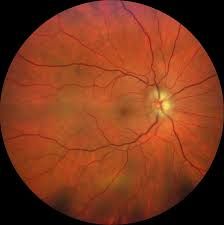
Ischemic Anterior Optic Neuropathy (AION)

Ischemic AION is a condition where the optic nerve is damaged due to reduced blood flow. This can cause:

  • Sudden vision loss
  • Blind spots
  • Decreased visual acuity

Types

  1. Arteritic AION: Associated with giant cell arteritis
  2. Non-arteritic AION: More common, often related to vascular risk factors

Risk Factors

  1. Age: More common in older adults
  2. Vascular conditions: Hypertension, diabetes, atherosclerosis
  3. Giant cell arteritis: Inflammatory condition

Treatment

  1. Managing underlying conditions: Controlling vascular risk factors
  2. Corticosteroids: For arteritic AION
  3. Low vision rehabilitation: Adapting to vision loss

If you suspect AION, seek immediate medical attention from an eye care professional or an optometrist . Prompt treatment can help preserve vision.

MADAROSIS

Madarosis

Madarosis is a condition characterized by:

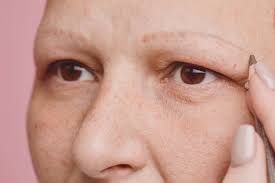
  • Loss or thinning of eyebrows or eyelashes
  • Can be caused by various factors, including:
    1. Medical conditions: Hypothyroidism, alopecia areata, or autoimmune disorders
    2. Infections: Certain infections, like leprosy or herpes
    3. Medications: Chemotherapy or certain medications
    4. Trauma: Physical injury or burns
    5. Aging: Natural aging process

Symptoms

  1. Hair loss: Thinning or complete loss of eyebrows or eyelashes
  2. Eye irritation: Potential discomfort or dryness

Treatment

  1. Addressing underlying conditions: Managing medical conditions or changing medications
  2. Cosmetic options: Makeup, wigs, or false eyelashes
  3. Medical treatments: In some cases, medications or growth serums may be prescribed

If you’re experiencing madarosis, consult a healthcare professional or dermatologist for personalized advice and treatment.

ADIE TONIC PUPIL

Adie Tonic Pupil

Adie tonic pupil is a rare neurological disorder affecting the pupil of the eye. Characteristics include:

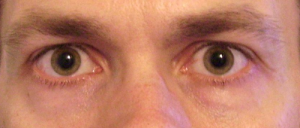
  • A dilated pupil that reacts poorly to light
  • Slow or absent reaction to near vision
  • Tonic pupil constriction (slow and prolonged)

Symptoms

  1. Anisocoria: Unequal pupil sizes
  2. Blurred vision: Difficulty focusing
  3. Light sensitivity: Increased sensitivity to light

Causes

  1. Damage to the ciliary ganglion: A nerve cluster controlling pupil function
  2. Viral infections: Certain viruses may trigger the condition
  3. Unknown: In some cases, the cause is idiopathic

Treatment

  1. Monitoring: Regular eye exams to track changes
  2. Glasses or contacts: Correcting vision problems
  3. Low-dose pilocarpine: Medication to constrict the pupil

If you suspect Adie tonic pupil, consult an eye care professional for proper diagnosis and management.

TRICHIASIS

Trichiasis

Trichiasis is a condition where eyelashes grow inward toward the eye, rubbing against the cornea or conjunctiva. This can cause:

  • Discomfort
  • Irritation
  • Corneal damage
  • Vision problems

Causes

  1. Infection: Certain infections, like trachoma.
  2. Inflammation: Chronic inflammation of the eyelids.
  3. Trauma: Injury to the eye or eyelid.
  4. Congenital: Some people are born with the condition.

Symptoms

  1. Eye irritation: Redness, itching, and discomfort.
  2. Corneal damage: Scratching or ulcers on the cornea.
  3. Vision problems: Blurred vision or sensitivity to light.

Treatment

  1. Epilation: Removing the misdirected eyelashes.
  2. Electrolysis: Permanent removal of eyelashes.
  3. Surgery: Procedures to correct eyelid malposition or remove scar tissue.

If you’re experiencing symptoms, consult an eye care professional for proper diagnosis and treatment.

hotdepo slot maxwin asia200 vip388 super89 kelas777 asiaslot777 asia100 win188 zeus123 megawinslot hotdepo gitar100 pangkalantoto koko500 api naga mega888 asia300 uno4d wow33 merahtoto super33 MEGASLOT SLOT GOPAY wow33 megatoto koko500 hotdepo koko500 vip388 asia500 merahtoto vip388 vip33 koko500 super89 hotdepo koko500 kpk100 asia300 mahjong333 merahtoto hotdepo hotdepo hotdepo hotdepo hotdepo hotdepo hotdepo hotdepo hotdepo vip33 merahtoto vip388 wdbos asia100 dana100 koko500 merahtoto mahjong333 kl108 dana100 super33 asia100 koko500 vip33 merahtoto kl108 abc33 kl108 slot5000 koko500 koko11 hotdepo pg11 kl108 kl108 hotdepo koko500