Eagleview Eye Clinic

Archives November 2025

DECENTRED PUPIL

A decentred pupil refers to a pupil that is not centered in the iris, often due to trauma, surgery, or certain eye conditions.

Possible causes:

  1. Trauma or injury
  2. Surgical complications
  3. Congenital conditions
  4. Uveitis or inflammation
  5. Synechiae (adhesions)

Effects:

  1. Vision disturbances
  2. Increased sensitivity to light
  3. Cosmetic concerns
NAVIGATING DRY EYE SYNDROME VIA NUTRITION

Managing dry eyes with diet involves incorporating foods rich in nutrients that support eye health. Here are some tips:

  • Omega-3 fatty acids: Include foods like salmon, sardines, walnuts, and chia seeds to reduce inflammation and promote tear production.
  • Vitamin A-rich foods: Eat carrots, sweet potatoes, spinach, and kale to support the health of the cornea.
  • Vitamin C-rich foods: Consume citrus fruits, bell peppers, and tomatoes to boost collagen production and tear quality.
  • Stay hydrated: Drink plenty of water throughout the day to keep your eyes moist.
  • Limit: Avoid foods high in sugar, salt, and processed ingredients that can exacerbate dry eyes.

Some specific foods that can help:

  • Salmon
  • Walnuts
  • Chia seeds
  • Spinach
  • Kale
  • Carrots
  • Sweet potatoes
  • Citrus fruits
  • Bell peppers.
MACULA

The macula is a specialized region at the back of the eye, responsible for central vision and fine detail.

Key functions:

  1. Central vision
  2. Color vision
  3. Fine detail vision

Location:

The macula is located at the center of the retina, including the fovea.

FOVEA CENTRALIS

The fovea centralis is a small pit in the macula of the retina, responsible for sharp central vision.

Key functions:

  1. High-acuity vision
  2. Color vision
  3. Central vision

Importance:

The fovea is crucial for tasks like reading, driving, and recognizing faces.

VISUAL AXIS

The visual axis is an imaginary line connecting the fixation point to the fovea centralis, passing through the nodal points of the eye.

Key points:

  1. Line of sight: Connects fixation point to fovea
  2. Important for: Understanding visual perception and eye alignment
  3. Used in: Ophthalmology, optometry, and vision science
SEGMENT HEIGHT

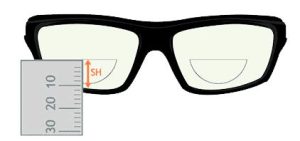
Segment height refers to the vertical measurement of a bifocal or progressive lens segment.

What it’s for:

Segment height is used to:

  1. Position the lens segment correctly
  2. Ensure optimal vision through the segment

Measurement:

Segment height is typically measured from the lower eyelid margin to the top of the segment.

Krimsky test

The Krimsky test is used to measure strabismus (misaligned eyes) in patients who can’t fixate or have poor fixation.

What it’s for:

The Krimsky test is used to:

  1. Measure strabismus in patients with poor fixation
  2. Assess ocular alignment

How it’s done:

  1. A light is shone into the patient’s eyes.
  2. Prisms are placed in front of the deviated eye.
  3. The prism is adjusted until the corneal reflections are symmetrical.

What it shows:

The test measures the amount of strabismus, helping diagnose and manage eye alignment issues.

VON GRAEFE TEST

The Von Graefe test, also known as the Von Graefe’s prism test, is used to measure the amount of heterophoria (latent strabismus).

What it’s for:

The Von Graefe test is used to:

  1. Measure heterophoria (latent strabismus)
  2. Assess binocular vision

How it’s done:

  1. The patient is asked to look at a target.
  2. A prism is placed in front of one eye.
  3. The prism is adjusted until the patient reports alignment of the target.
  4. The amount of prism required to align the target measures the heterophoria.

VAN HERRICK TEST

The Van Herrick test is a method used to estimate the depth of the anterior chamber angle in the eye.

What it’s for:

The Van Herrick test is used to:

  1. Assess the risk of angle-closure glaucoma
  2. Evaluate the anterior chamber angle width

How it’s done:

  1. A narrow slit beam is shone onto the peripheral cornea.
  2. The examiner observes the angle between the cornea and iris.
  3. The width of the angle is estimated and graded.

Grading:

The Van Herrick test grades the angle as:

  1. Grade 4: Wide open angle
  2. Grade 3: Moderate angle
  3. Grade 2: Narrow angle
  4. Grade 1: Extremely narrow angle
  5. Grade 0: Closed angle

What it shows:

The test helps identify patients at risk of angle-closure glaucoma, allowing for further evaluation and treatment if necessary.

BROAD H TEST

The Broad H test is used in ophthalmology to assess eye movements.

What it’s for:

The Broad H test is used to assess eye movements in all cardinal positions of gaze.

How it’s done:

  1. The patient is asked to follow a target (like a pen or light) with their eyes.
  2. The target is moved in a broad H shape.
  3. The examiner observes the patient’s eye movements for any limitations or abnormalities as the patient looks up and down, left and right.

What it shows:

The test helps identify:

  1. Limitations in eye movement that can indicate problems with the extraocular muscles or nerves supplying them.
  2. Cranial nerve palsies like III, IV, or VI nerve palsies.
  3. Internuclear ophthalmoplegia (a disorder of eye movements).
  4. Nystagmus (involuntary eye movements) or other abnormal eye movements.

The Broad H test is useful for detecting issues like strabismus or cranial nerve problems. It’s an important part of a comprehensive eye exam.