Eagleview Eye Clinic

Archives December 2025

Slow-k

👨‍⚕️ SLOW K is a potassium supplement.

Uses:

  1. Potassium deficiency: Treats or prevents low levels
  2. Hypokalemia: Manages low potassium
  3. Diuretic therapy: Replenishes potassium

Eye-related connection:

  1. Glaucoma treatment: Sometimes used with other meds

Notes:

  1. Monitor levels: Regular blood tests
  2. GI side effects: Nausea, vomiting, or diarrhea
DIAMOX

👨‍⚕️ Diamox (Acetazolamide) is a carbonic anhydrase inhibitor.

Uses:

  1. Glaucoma: Reduces intraocular pressure
  2. Edema: Treats fluid retention
  3. Altitude sickness: Prevents and treats symptoms
  4. Epilepsy: Adjunct therapy

Eye-related uses:

  1. Iocular pressure reduction: Glaucoma treatment
  2. Cystoid macular edema: Treats fluid buildup

Side effects:

  1. Numbness/tingling: Hands, feet, or face
  2. Dizziness: May affect daily activities
  3. Increased urination: Monitor hydration
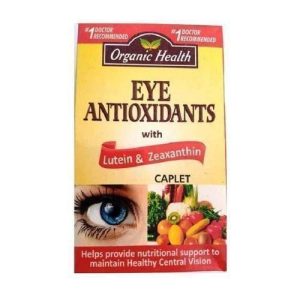
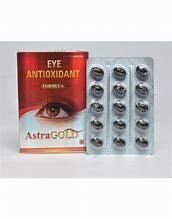
EYE ANTIOXIDANTS

👨‍⚕️ Eye antioxidants help protect eyes from oxidative stress and damage.

Key antioxidants:

  1. Lutein: Found in retina, filters blue light
  2. Zeaxanthin: Protects macula
  3. Vitamin C: Supports collagen production
  4. Vitamin E: Protects cell membranes
  5. Zinc: Essential for retina health

Benefits:

  1. AMD prevention: Reduces risk
  2. Cataract prevention: May slow progression
  3. Eye health: Supports overall vision

Food sources:

  1. Leafy greens: Spinach, kale
  2. Colorful fruits: Berries, citrus
  3. Nuts and seeds: Almonds, sunflower seeds
  4. Fatty fish: Salmon, tuna
COLLAGEN CROSS LINKING

👨‍⚕️ Collagen cross-linking is a treatment for keratoconus and corneal ectasia.

How it works:

  1. Riboflavin drops: Applied to cornea
  2. UV light: Activates riboflavin
  3. Cross-linking: Strengthens corneal tissue

Benefits:

  1. Stops progression: Prevents further thinning
  2. Improves vision: Stabilizes cornea
  3. Delays transplant: Alternative to surgery

Procedure:

  1. Remove epithelium: Optional
  2. Apply riboflavin: Soak cornea
  3. UV light exposure: 10-30 minutes
  4. Healing: Bandage lens or drops

Risks:

  1. Pain: Post-procedure discomfort
  2. Infection: Rare
  3. Haze: Temporary vision issue
AMNIOTIC MEMBRANE TRANSPLANT

👨‍⚕️ Amniotic membrane transplant is a surgical procedure where amniotic membrane is grafted onto the eye’s surface.

Key uses:

  1. Corneal ulcers: Promotes healing
  2. Ocular surface disorders: Reduces inflammation
  3. Chemical burns: Aids reconstruction
  4. Pterygium surgery: Prevents recurrence

Benefits:

  1. Promotes healing: Stimulates tissue repair
  2. Reduces inflammation: Anti-inflammatory properties
  3. Pain relief: Covers nerve endings

Procedure:

  1. Prepare amniotic membrane: Processed and sterilized
  2. Apply to eye: Sutured or glued in place
  3. Healing process: Membrane dissolves or integrates
CORNEA REPAIR

👨‍⚕️ Cornea repair refers to treatments for corneal damage or disease. Options include:

Methods:

  1. Corneal transplant: Replace damaged tissue
  2. Corneal graft: Transplant healthy tissue
  3. LASIK/PRK: Reshape cornea for vision correction
  4. Collagen cross-linking: Strengthen corneal tissue
  5. Amniotic membrane transplant: Promote healing

Indications:

  1. Corneal ulcers: Infection or injury
  2. Keratoconus: Progressive thinning
  3. Scarring: Visual impairment
  4. Injury: Trauma or chemical burns

Goals:

  1. Restore vision: Improve clarity
  2. Relieve pain: Manage symptoms
  3. Prevent complications: Infection or further damage
LOCAL ANAESTHESIA

👨‍⚕️ Local anesthesia numbs a specific area, blocking pain signals to the brain. In eye care, it’s used for procedures like cataract surgery, corneal scraping, or injections.

Common agents:

  1. Lidocaine: Fast-acting, short duration
  2. Bupivacaine: Longer-lasting
  3. Proparacaine: Topical anesthetic for surface procedures

Administration:

  1. Topical drops: Surface anesthesia
  2. Injections: Subconjunctival or periocular blocks
  3. Gel or ointment: Prolonged effect

Effects:

  1. Numbness: Reduced pain sensation
  2. Muscle relaxation: Reduced eye movement
  3. Variable duration: Depends on agent and dose
LISAMINE GREEN STAINING

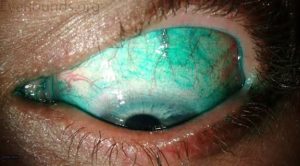
👨‍⚕️ Lissamine Green staining test assesses ocular surface damage, particularly conjunctival epithelial damage.

Procedure:

  1. Apply anesthetic drops (optional)
  2. Place Lissamine Green drops in eye
  3. Examine under white or blue light

Interpretation:

  • Staining pattern: Indicates damage location/severity
  • Scoring systems: Grade staining (e.g., Oxford scale)

Uses:

  1. Dry eye disease: Evaluates conjunctival staining
  2. Ocular surface disorders: Identifies damaged areas
  3. Conjunctival disorders: Assesses inflammation
ROSE BENGAL STAINING

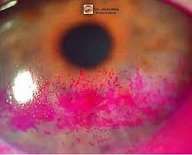
👨‍⚕️ Rose Bengal is a diagnostic dye used to assess ocular surface damage. It’s a red, water-soluble dye that stains devitalized epithelial cells, mucus, and filaments.

Key uses:

  1. Dry eye disease: Stains damaged conjunctiva/cornea
  2. Corneal ulcers: Identifies infected areas
  3. Ocular surface disorders: Detects epithelial defects
  4. Keratitis: Assesses corneal inflammation

Procedure:

  1. Apply anesthetic drops (optional)
  2. Place Rose Bengal drops in eye
  3. Examine under white or blue light

Interpretation:

  • Staining pattern: Indicates damage location/severity
  • Scoring systems: Grade staining (e.g., Oxford scale)

Precautions:

  • Stains contact lenses/sclera (temporary)
  • Mild stinging sensation
  • Use cautiously in severe dry eye
FLOURESCEIN ANGIOGRAPHY

👨‍⚕️ Fluorescein angiography is a diagnostic test that uses fluorescein dye and a specialized camera to visualize the retinal blood vessels.

Key uses:

  1. Diabetic retinopathy: Detects leakage, neovascularization
  2. Macular degeneration: Identifies abnormal blood vessels
  3. Retinal vascular occlusions: Diagnoses blockages
  4. Tumors: Highlights abnormal vessels

Procedure:

  1. Inject fluorescein dye into arm vein
  2. Take photographs as dye circulates
  3. Capture early and late-phase images

Findings:

  • Leakage: Dye escape from vessels
  • Blockage: Dark areas (hypofluorescence)
  • Neovascularization: Abnormal vessels

Precautions:

  • Nausea, yellow skin discoloration (temporary)
  • Allergic reactions (rare)
  • Pregnancy/breastfeeding: Use cautiously
hotdepo slot maxwin asia200 vip388 super89 kelas777 asiaslot777 asia100 win188 zeus123 megawinslot hotdepo gitar100 pangkalantoto koko500 api naga mega888 asia300 uno4d wow33 merahtoto super33 MEGASLOT SLOT GOPAY wow33 megatoto koko500 hotdepo koko500 vip388 asia500 merahtoto vip388 vip33 koko500 super89 hotdepo koko500 kpk100 asia300 mahjong333 merahtoto hotdepo hotdepo hotdepo hotdepo hotdepo hotdepo hotdepo hotdepo hotdepo vip33 merahtoto vip388 wdbos asia100 dana100 koko500 merahtoto mahjong333 kl108 dana100 super33 asia100 koko500 vip33 merahtoto kl108 abc33 kl108 slot5000 koko500 koko11 hotdepo pg11 kl108 kl108 hotdepo koko500