Eagleview Eye Clinic
IMPACT OF GLAUCOMA ON THE QUALITY OF LIFE

Glaucoma significantly impacts the quality of life for those affected. Studies have shown that people with glaucoma experience ¹ ²:

  • Reduced Mobility: 60% of participants in one study couldn’t drive due to glaucoma-related vision loss, while others reported difficulty noticing things while walking or sitting in one place.
  • Emotional Distress: The psychosocial impact of glaucoma can lead to feelings of dependency and being a burden on family members, greatly affecting mental health.
  • Daily Activity Limitations: Patients experience difficulty reading, recognizing faces, and performing daily tasks due to progressive vision loss.
  • Poor General and Vision-Related Quality of Life: Monocular glaucoma patients have lower overall quality of life scores, with depression being a common comorbidity.
  • Financial Burden: Glaucoma patients, especially those in middle to low-income countries, may experience reduced monthly earnings due to limited mobility and job opportunities.

Factors Affecting Quality of Life:

  • Visual Acuity: The severity of vision loss directly impacts quality of life.
  • Female Gender: Women may experience a greater impact on their quality of life due to glaucoma.
  • Treatment Regimens: Surgical treatment and number of topical medications can negatively impact vision-related quality of life ² ³ ⁴.

Support and Resources:

  • Social welfare and psycho-social institutions can provide essential support for glaucoma patients.
  • Access to proper medical care, rehabilitation services, and counseling can help mitigate the impact of glaucoma on quality of life ¹.
IMPACT OF GLAUCOMA ON THE QUALITY OF LIFE

Glaucoma significantly impacts the quality of life for those affected. Studies have shown that people with glaucoma experience ¹ ²:

  • Reduced Mobility: 60% of participants in one study couldn’t drive due to glaucoma-related vision loss, while others reported difficulty noticing things while walking or sitting in one place.
  • Emotional Distress: The psychosocial impact of glaucoma can lead to feelings of dependency and being a burden on family members, greatly affecting mental health.
  • Daily Activity Limitations: Patients experience difficulty reading, recognizing faces, and performing daily tasks due to progressive vision loss.
  • Poor General and Vision-Related Quality of Life: Monocular glaucoma patients have lower overall quality of life scores, with depression being a common comorbidity.
  • Financial Burden: Glaucoma patients, especially those in middle to low-income countries, may experience reduced monthly earnings due to limited mobility and job opportunities.

Factors Affecting Quality of Life:

  • Visual Acuity: The severity of vision loss directly impacts quality of life.
  • Female Gender: Women may experience a greater impact on their quality of life due to glaucoma.
  • Treatment Regimens: Surgical treatment and number of topical medications can negatively impact vision-related quality of life ² ³ ⁴.

Support and Resources:

  • Social welfare and psycho-social institutions can provide essential support for glaucoma patients.
  • Access to proper medical care, rehabilitation services, and counseling can help mitigate the impact of glaucoma on quality of life ¹.
IMPACT OF GLAUCOMA ON THE QUALITY OF LIFE

Glaucoma significantly impacts the quality of life for those affected. Studies have shown that people with glaucoma experience ¹ ²:

  • Reduced Mobility: 60% of participants in one study couldn’t drive due to glaucoma-related vision loss, while others reported difficulty noticing things while walking or sitting in one place.
  • Emotional Distress: The psychosocial impact of glaucoma can lead to feelings of dependency and being a burden on family members, greatly affecting mental health.
  • Daily Activity Limitations: Patients experience difficulty reading, recognizing faces, and performing daily tasks due to progressive vision loss.
  • Poor General and Vision-Related Quality of Life: Monocular glaucoma patients have lower overall quality of life scores, with depression being a common comorbidity.
  • Financial Burden: Glaucoma patients, especially those in middle to low-income countries, may experience reduced monthly earnings due to limited mobility and job opportunities.

Factors Affecting Quality of Life:

  • Visual Acuity: The severity of vision loss directly impacts quality of life.
  • Female Gender: Women may experience a greater impact on their quality of life due to glaucoma.
  • Treatment Regimens: Surgical treatment and number of topical medications can negatively impact vision-related quality of life ² ³ ⁴.

Support and Resources:

  • Social welfare and psycho-social institutions can provide essential support for glaucoma patients.
  • Access to proper medical care, rehabilitation services, and counseling can help mitigate the impact of glaucoma on quality of life ¹.
SWINGING FLASH LIGHT TEST

The swinging flashlight test is a simple, bedside test used to assess the relative afferent pupillary defect (RAPD) in the visual pathway. It’s a valuable tool for detecting unilateral or asymmetric optic nerve dysfunction or severe retinal disease.

How to Perform the Test

  1. Positioning: The patient sits in a comfortable position, and the examiner stands in front of them.
  2. Lighting: A bright flashlight is shone into one eye, then the other, in a swinging motion.
  3. Observation: The examiner observes the pupils’ reactions to the light stimulus.

What to Look For

  • Normal response: Both pupils constrict equally when the light is shone into one eye and then the other.
  • Relative afferent pupillary defect (RAPD): When the light is shone into the affected eye, the pupils may dilate or constrict less compared to when the light is shone into the healthy eye.

Clinical Significance

  • Optic nerve damage: RAPD can indicate optic nerve damage or disease, such as optic neuritis or optic neuropathy.
  • Retinal disease: Severe retinal disease can also cause RAPD.
  • Neurological conditions: Certain neurological conditions, like stroke or multiple sclerosis, can affect the visual pathway and result in RAPD.

The swinging flashlight test is a useful screening tool for detecting visual pathway abnormalities and can guide further diagnostic testing and management.

SWINGING FLASH LIGHT TEST

The swinging flashlight test is a simple, bedside test used to assess the relative afferent pupillary defect (RAPD) in the visual pathway. It’s a valuable tool for detecting unilateral or asymmetric optic nerve dysfunction or severe retinal disease.

How to Perform the Test

  1. Positioning: The patient sits in a comfortable position, and the examiner stands in front of them.
  2. Lighting: A bright flashlight is shone into one eye, then the other, in a swinging motion.
  3. Observation: The examiner observes the pupils’ reactions to the light stimulus.

What to Look For

  • Normal response: Both pupils constrict equally when the light is shone into one eye and then the other.
  • Relative afferent pupillary defect (RAPD): When the light is shone into the affected eye, the pupils may dilate or constrict less compared to when the light is shone into the healthy eye.

Clinical Significance

  • Optic nerve damage: RAPD can indicate optic nerve damage or disease, such as optic neuritis or optic neuropathy.
  • Retinal disease: Severe retinal disease can also cause RAPD.
  • Neurological conditions: Certain neurological conditions, like stroke or multiple sclerosis, can affect the visual pathway and result in RAPD.

The swinging flashlight test is a useful screening tool for detecting visual pathway abnormalities and can guide further diagnostic testing and management.

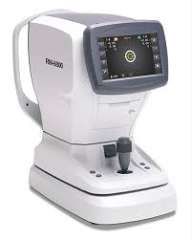
AUTO REFRACTOMETER

An autorefractor or auto refractometer is an ophthalmic device used to measure the refractive error of a patient’s eyes. It provides an objective measurement of the eye’s focusing power, helping eye care professionals to determine the correct prescription for glasses or contact lenses.

Key Features

  • Automated measurement: Quick and accurate measurements with minimal patient input.
  • Refractive error assessment: Measures sphere, cylinder, and axis values for astigmatism.
  • Pupil size measurement: Some autorefractors can measure pupil size.

Uses

  • Eye exams: Routine eye exams to determine refractive error and prescribe corrective lenses.
  • Screening: Vision screenings in schools, clinics, or community settings.
  • Pre-operative assessment: Measuring refractive error before eye surgery.

Benefits

  • Accurate measurements: Provides reliable and consistent results.
  • Efficient workflow: Streamlines the eye exam process.
  • Easy to use: User-friendly interface for both patients and eye care professionals.
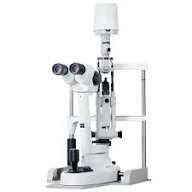
SLIT LAMP BIOMICROSCOPE

A slit lamp biomicroscope is an ophthalmic instrument used to examine the anterior segment of the eye, including the cornea, iris, lens, and anterior chamber. It provides a detailed, magnified view of these structures, allowing eye care professionals to diagnose and manage various eye conditions, such as cataracts, glaucoma, and corneal diseases. The slit lamp’s bright light source and adjustable slit allow for precise control over illumination, enabling detailed examination of the eye’s structures.

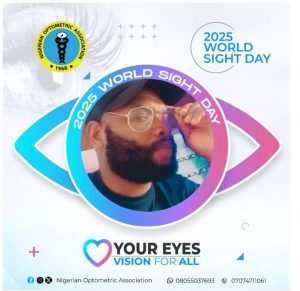
WORLD SIGHT DAY 2025

World Sight Day is an annual global event held on the second Thursday of October to raise awareness about blindness and vision impairment. It’s a call to action for individuals, organizations, and governments to prioritize eye health and ensure accessible, available, and affordable eye care services for everyone.

The day emphasizes the importance of regular eye exams, proper eye care, and timely interventions to prevent vision loss. It also highlights the need for global cooperation to address vision-related issues, such as cataracts, glaucoma, and diabetic retinopathy, which are leading causes of preventable blindness.

Key Objectives:

  • Raise Awareness: Educate people about eye health and the importance of regular eye exams
  • Promote Accessibility: Advocate for accessible, available, and affordable eye care services worldwide
  • Prevent Blindness: Support initiatives that prevent avoidable blindness and vision impairment

When: Second Thursday of October every year
Theme: Varies annually (e.g., “Love Your Eyes” for 2025)
Organizer: International Agency for the Prevention of Blindness (IAPB) ¹ ²

OPHTHALMOSCOPY

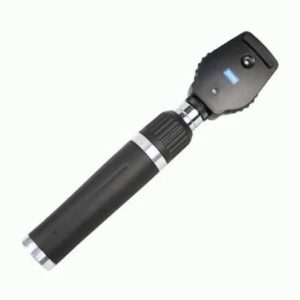
Ophthalmoscopy is a medical examination technique used to visualize the interior of the eye, particularly the retina, optic nerve, and macula. It involves using an ophthalmoscope to shine a light into the eye and magnify the reflected image, allowing healthcare professionals to assess the health of the eye and detect various eye conditions.

OPHTHALMOSCOPE

An ophthalmoscope is a medical device used to examine the interior of the eye, particularly the retina, optic nerve, and macula. It allows healthcare professionals to visualize the internal structures of the eye and diagnose various eye conditions.

Key Features of an Ophthalmoscope

  • Magnification: Ophthalmoscopes provide magnified views of the eye’s internal structures.
  • Illumination: They use a light source to illuminate the eye, allowing for clear visualization.
  • Adjustable settings: Many ophthalmoscopes have adjustable settings for different pupil sizes, refractive errors, and examination techniques.

Uses of an Ophthalmoscope

  • Eye exams: Ophthalmoscopes are essential tools for comprehensive eye exams.
  • Diabetic retinopathy screening: They help detect and monitor diabetic retinopathy.
  • Retinal disease diagnosis: Ophthalmoscopes aid in diagnosing and monitoring various retinal diseases, such as age-related macular degeneration.
  • Optic nerve evaluation: They allow for examination of the optic nerve head and detection of conditions like glaucoma.

Types of Ophthalmoscopes

  • Direct ophthalmoscope: A handheld device that provides a direct view of the retina.
  • Indirect ophthalmoscope: Uses a condensing lens to provide a wider view of the retina.
  • Fundus camera: A specialized camera that captures images of the retina and other internal eye structures.

Ophthalmoscopes are crucial tools for eye care professionals, enabling them to diagnose and manage various eye conditions.