Eagleview Eye Clinic

Category Eye Health Education

SICKLE CELL RETINOPATHY

Sickle Cell Retinopathy

Sickle cell retinopathy is a complication of sickle cell disease that affects the eyes. It occurs when sickled red blood cells damage the blood vessels in the retina, leading to:

  • Retinal ischemia (lack of blood flow)
  • Neovascularization (growth of new, fragile blood vessels)
  • Hemorrhages
  • Retinal detachment

Symptoms

  1. Vision loss: Sudden or gradual loss of vision
  2. Floaters: Spots or floaters in vision
  3. Flashes: Flashes of light
  4. Blurred vision: Decreased visual acuity

Treatment

  1. Laser photocoagulation: To treat neovascularization
  2. Intravitreal injections: To reduce inflammation and edema
  3. Vitrectomy: Surgery to remove blood or repair retinal detachment
  4. Regular eye exams: To monitor disease progression

Prevention

  1. Regular eye exams: To detect retinopathy early
  2. Managing sickle cell disease: Controlling the underlying condition

If you have sickle cell disease, it’s essential to have regular eye exams to detect and manage retinopathy. Consult with an eye care professional for personalized advice and treatment.
BIRDSHOT CHRORETINOPATHY

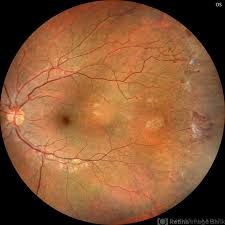
Birdshot Chorioretinopathy

Birdshot chorioretinopathy is a rare, chronic inflammatory eye condition characterized by:

  • Inflammation of the choroid and retina
  • Multiple, small, orange-yellow lesions in the retina
  • Potential for vision loss

Symptoms

  1. Floaters: Spots or floaters in vision
  2. Blurred vision: Decreased visual acuity
  3. Night blindness: Difficulty seeing in low light
  4. Color vision defects: Difficulty distinguishing colors

Treatment

  1. Immunosuppressive therapy: Medications to reduce inflammation
  2. Corticosteroids: To control inflammation
  3. Biologics: Targeted therapies to reduce inflammation
  4. Monitoring: Regular eye exams to track disease progression

Complications

  1. Vision loss: Potential for permanent vision loss
  2. Cataracts: Increased risk of cataract development
  3. Glaucoma: Increased risk of glaucoma

If you have birdshot chorioretinopathy, work closely with an eye care professional to manage the condition and preserve vision.

CHORIODEREMA

Choroideremia

Choroideremia is a rare, inherited eye disorder characterized by:

  • Progressive loss of the choroid, retina, and retinal pigment epithelium
  • Night blindness
  • Loss of peripheral vision
  • Potential for central vision loss

Causes

  1. Genetic mutation: Mutations in the CHM gene
  2. X-linked inheritance: Primarily affects males

Symptoms

  1. Night blindness: Difficulty seeing in low light
  2. Peripheral vision loss: Loss of side vision
  3. Visual field defects: Blind spots or areas of decreased vision

Management

  1. Genetic counseling: Understanding inheritance patterns
  2. Low vision rehabilitation: Adapting to vision loss
  3. Research and clinical trials: Exploring potential treatments
  4. Regular eye exams: Monitoring disease progression

If you or a family member has choroideremia, consult with an eye care professional or genetic counselor for personalized guidance and support.

LID ECCHYMOSIS

Lid Ecchymosis

Lid ecchymosis refers to bruising or discoloration of the eyelid, typically caused by:

  • Trauma or injury to the face or eye
  • Surgery, such as blepharoplasty or orbital surgery
  • Bleeding disorders or medications that affect blood clotting

Symptoms

  1. Swelling: The eyelid may become swollen or puffy.
  2. Discoloration: The area may appear blue, purple, or black due to blood accumulation.
  3. Pain: Mild to moderate pain or tenderness may be present.

Management

  1. Cold compresses: Applying cold compresses can help reduce swelling.
  2. Elevation: Keeping the head elevated can help reduce swelling.
  3. Observation: In most cases, lid ecchymosis resolves on its own with time.
  4. Medical attention: If the bruising is severe, or if there are signs of infection or other complications, seek medical attention.

If you experience lid ecchymosis, it’s essential to consult with a healthcare professional to determine the underlying cause and appropriate treatment.

ISCHEMIC ANTERIOR OPTIC NEUROPATHY

Ischemic Anterior Optic Neuropathy (AION)

Ischemic AION is a condition where the optic nerve is damaged due to reduced blood flow. This can cause:

  • Sudden vision loss
  • Blind spots
  • Decreased visual acuity

Types

  1. Arteritic AION: Associated with giant cell arteritis
  2. Non-arteritic AION: More common, often related to vascular risk factors

Risk Factors

  1. Age: More common in older adults
  2. Vascular conditions: Hypertension, diabetes, atherosclerosis
  3. Giant cell arteritis: Inflammatory condition

Treatment

  1. Managing underlying conditions: Controlling vascular risk factors
  2. Corticosteroids: For arteritic AION
  3. Low vision rehabilitation: Adapting to vision loss

If you suspect AION, seek immediate medical attention from an eye care professional or an optometrist . Prompt treatment can help preserve vision.

MADAROSIS

Madarosis

Madarosis is a condition characterized by:

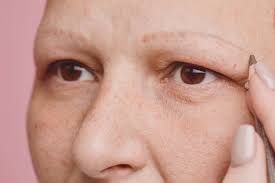
  • Loss or thinning of eyebrows or eyelashes
  • Can be caused by various factors, including:
    1. Medical conditions: Hypothyroidism, alopecia areata, or autoimmune disorders
    2. Infections: Certain infections, like leprosy or herpes
    3. Medications: Chemotherapy or certain medications
    4. Trauma: Physical injury or burns
    5. Aging: Natural aging process

Symptoms

  1. Hair loss: Thinning or complete loss of eyebrows or eyelashes
  2. Eye irritation: Potential discomfort or dryness

Treatment

  1. Addressing underlying conditions: Managing medical conditions or changing medications
  2. Cosmetic options: Makeup, wigs, or false eyelashes
  3. Medical treatments: In some cases, medications or growth serums may be prescribed

If you’re experiencing madarosis, consult a healthcare professional or dermatologist for personalized advice and treatment.

ADIE TONIC PUPIL

Adie Tonic Pupil

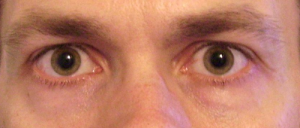
Adie tonic pupil is a rare neurological disorder affecting the pupil of the eye. Characteristics include:

  • A dilated pupil that reacts poorly to light
  • Slow or absent reaction to near vision
  • Tonic pupil constriction (slow and prolonged)

Symptoms

  1. Anisocoria: Unequal pupil sizes
  2. Blurred vision: Difficulty focusing
  3. Light sensitivity: Increased sensitivity to light

Causes

  1. Damage to the ciliary ganglion: A nerve cluster controlling pupil function
  2. Viral infections: Certain viruses may trigger the condition
  3. Unknown: In some cases, the cause is idiopathic

Treatment

  1. Monitoring: Regular eye exams to track changes
  2. Glasses or contacts: Correcting vision problems
  3. Low-dose pilocarpine: Medication to constrict the pupil

If you suspect Adie tonic pupil, consult an eye care professional for proper diagnosis and management.

TRICHIASIS

Trichiasis

Trichiasis is a condition where eyelashes grow inward toward the eye, rubbing against the cornea or conjunctiva. This can cause:

  • Discomfort
  • Irritation
  • Corneal damage
  • Vision problems

Causes

  1. Infection: Certain infections, like trachoma.
  2. Inflammation: Chronic inflammation of the eyelids.
  3. Trauma: Injury to the eye or eyelid.
  4. Congenital: Some people are born with the condition.

Symptoms

  1. Eye irritation: Redness, itching, and discomfort.
  2. Corneal damage: Scratching or ulcers on the cornea.
  3. Vision problems: Blurred vision or sensitivity to light.

Treatment

  1. Epilation: Removing the misdirected eyelashes.
  2. Electrolysis: Permanent removal of eyelashes.
  3. Surgery: Procedures to correct eyelid malposition or remove scar tissue.

If you’re experiencing symptoms, consult an eye care professional for proper diagnosis and treatment.

MYOPIC DEGENERATION

Myopic Degeneration

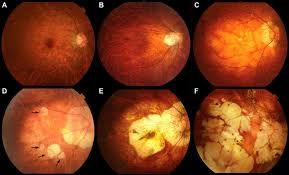
Myopic degeneration, also known as pathologic myopia, is a condition where severe nearsightedness (myopia) leads to degenerative changes in the retina. This can cause:

  • Vision loss
  • Retinal damage
  • Increased risk of retinal detachment, macular degeneration, and glaucoma

Symptoms

  1. Blurred vision: Distant objects appear blurry.
  2. Vision loss: Gradual loss of central or peripheral vision.
  3. Distorted vision: Straight lines may appear wavy or distorted.

Complications

  1. Retinal detachment: Increased risk of retinal detachment.
  2. Macular degeneration: Damage to the macula, affecting central vision.
  3. Glaucoma: Increased risk of glaucoma due to structural changes.

Management

  1. Regular eye exams: Monitoring for progression and complications.
  2. Corrective lenses: Glasses or contact lenses to correct vision.
  3. Treatment of complications: Laser therapy, surgery, or injections may be necessary to address related issues.

If you have high myopia, regular eye exams are essential to monitor for potential complications and preserve vision.

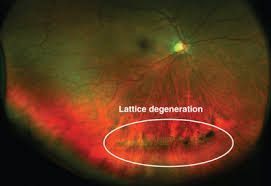
LATTICE DEGENERATION

Lattice Degeneration

Lattice degeneration is a condition affecting the retina, characterized by:

  • Thinning and weakening of the retinal tissue
  • Formation of lattice-like patterns of retinal degeneration

Risks

  1. Retinal tears: Increased risk of retinal tears or holes.
  2. Retinal detachment: Potential for retinal detachment, which can lead to vision loss.

Symptoms

  1. Often asymptomatic: Lattice degeneration may not cause noticeable symptoms.
  2. Floaters or flashes: Some people may experience floaters or flashes of light.

Management

  1. Regular eye exams: Monitoring for progression or complications.
  2. Laser photocoagulation: Treatment to strengthen the retina and prevent retinal detachment.
  3. Retinal detachment repair: Surgery may be necessary if retinal detachment occurs.

If you have lattice degeneration, regular eye exams with a retina specialist are crucial to monitor the condition and prevent potential complications.