Eagleview Eye Clinic
SECONDARY EYE INFECTION

Secondary eye infection = infection that shows up after the eye’s already been hurt or irritated (like after a lash‑extension mishap or the irrigation you just did). Basically, the eye’s natural barrier gets compromised, and bacteria or fungi take advantage of that opening.

What it looks like 👀

  • Redness that gets worse or spreads
  • Swelling around the eyelid or eye itself
  • Discharge that’s yellow‑green, thick, or crusty (not just watery tears)
  • Pain or a gritty feeling that lingers
  • Vision changes (blurry, hazy)
  • Itching or a feeling like something’s still in the eye

Common culprits 🦠

  • Bacterial: Staphylococcus, Streptococcus, Pseudomonas (especially if you used tap water for irrigation)
  • Fungal: rare, but can happen after prolonged steroid use or contaminated solutions
  • Viral: sometimes a secondary viral conjunctivitis can tag along

Prevention tips 🛡️

  1. Use sterile saline (or a commercial eye‑wash) for irrigation—no tap water.
  2. Keep hands clean before touching the eye area.
  3. Don’t reuse applicators or share eye drops.
  4. Replace contact lenses (if you wear them) with a fresh pair after the incident.
  5. Avoid rubbing the eye—use a clean, damp compress instead.

When to get professional help 🚨

  • Symptoms persist >24 h after irrigation
  • You notice increasing pain, swelling, or discharge
  • Vision gets blurry or cloudy
  • Any fever or feeling generally unwell

A doctor can prescribe antibiotic eye drops/ointment (e.g., moxifloxacin, tobramycin) or antifungal drops if needed. Early treatment usually clears it up fast.
AMNIOTIC MEMBRANE TRANSPLANT

👨‍⚕️ Amniotic membrane transplant is a surgical procedure where amniotic membrane is grafted onto the eye’s surface.

Key uses:

  1. Corneal ulcers: Promotes healing
  2. Ocular surface disorders: Reduces inflammation
  3. Chemical burns: Aids reconstruction
  4. Pterygium surgery: Prevents recurrence

Benefits:

  1. Promotes healing: Stimulates tissue repair
  2. Reduces inflammation: Anti-inflammatory properties
  3. Pain relief: Covers nerve endings

Procedure:

  1. Prepare amniotic membrane: Processed and sterilized
  2. Apply to eye: Sutured or glued in place
  3. Healing process: Membrane dissolves or integrates
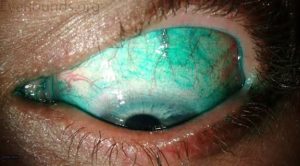
LISAMINE GREEN STAINING

👨‍⚕️ Lissamine Green staining test assesses ocular surface damage, particularly conjunctival epithelial damage.

Procedure:

  1. Apply anesthetic drops (optional)
  2. Place Lissamine Green drops in eye
  3. Examine under white or blue light

Interpretation:

  • Staining pattern: Indicates damage location/severity
  • Scoring systems: Grade staining (e.g., Oxford scale)

Uses:

  1. Dry eye disease: Evaluates conjunctival staining
  2. Ocular surface disorders: Identifies damaged areas
  3. Conjunctival disorders: Assesses inflammation
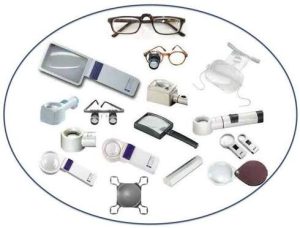
LOW VISION DEVICES

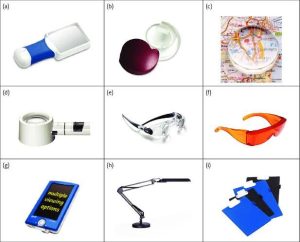
👓 Low vision devices are tools designed to help individuals with low vision maximize their remaining vision and improve daily functioning. These devices can be optical, electronic, or non-optical.

Types of Low Vision Devices

  • Magnifiers: Handheld or stand magnifiers that enlarge text or objects.
  • Telescopes: Devices for distance vision, useful for activities like watching TV or seeing board work in a classroom.
  • Electronic devices: Smartphones, tablets, or computers with accessibility features like text-to-speech, zoom, or high-contrast modes.
  • Large print materials: Books, labels, or other materials with larger font sizes.
  • Specialized lighting: Bright or task-specific lighting to improve visibility.

Assistive Technologies

  • Screen readers: Software that reads aloud text on screens.
  • Magnification apps: Apps that enlarge text or objects on smartphones or tablets.
  • Smart glasses: Wearable devices with magnification or object recognition capabilities.
OPTIC CHIASM

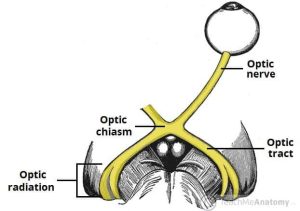
The optic chiasm is a part of the visual pathway. Key features:

  1. Location: Located at the base of the brain, above the pituitary gland.
  2. Function:
    • Nerve fibers from the nasal part of each retina cross over (decussate) here.
    • Allows for integration of visual information from both eyes.
  3. Importance:
    • Plays a crucial role in binocular vision and visual field processing.
    • Lesions or damage to the optic chiasm can cause specific visual field defects (like bitemporal hemianopia).

The optic chiasm is a key structure in the visual pathway.

ECTROPION


Ectropion is a condition where the eyelid turns outward, often causing the eyelid to sag away from the eye. This can lead to:

1. _Eye dryness_: Exposure of the eye surface.


2. _Irritation_: Redness, tearing, and discomfort.


3. _Increased risk of infection_: Exposure to the environment.

Causes include:

1. _Aging_: Weakening of eyelid muscles.


2. _Facial paralysis_: Conditions like Bell’s palsy.


3. _Scarring_: From injury or surgery.

Treatment may involve surgery to tighten or reposition the eyelid.

If you’re experiencing symptoms, consult an eye doctor for proper diagnosis and treatment.

ETOPIA LENTIS

Ectopia Lentis

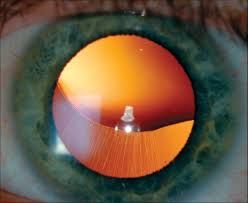
Ectopia lentis is a rare condition where the lens of the eye is displaced or malpositioned. This can occur due to various reasons, including:

Causes

  1. Trauma: Blunt or penetrating eye injury can cause the lens to become dislocated.
  2. Genetic conditions: Certain genetic disorders, such as Marfan syndrome, Ehlers-Danlos syndrome, or homocystinuria, can increase the risk of ectopia lentis.
  3. Weakening of the zonular fibers: The zonular fibers hold the lens in place. Weakening or damage to these fibers can cause the lens to become dislocated.

Symptoms

  1. Blurred vision: Displacement of the lens can cause vision problems.
  2. Double vision: Ectopia lentis can cause double vision or ghosting.
  3. Eye pain: In some cases, ectopia lentis can cause eye pain or discomfort.

Treatment

  1. Surgery: Surgical repositioning or removal of the lens may be necessary.
  2. Corrective lenses: Glasses or contact lenses may be prescribed to correct vision problems.

If you suspect you have ectopia lentis or are experiencing symptoms, consult an eye doctor for proper diagnosis and treatment.

ENDOPTHAMITIS

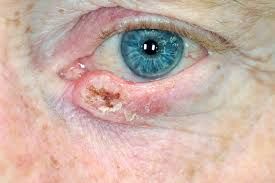
LID SQUAMOUS CELL CARCINOMA

This is a rare type of skin cancer that affects the lids.

It is very aggressive and has a high mortality and morbidity rate.

It is painless and  appears as a nodule or plaque with hyperkeratotic or ulcerated surface.

Since it multiplies really fast, it’ is early detection is key to Good prognosis during treatment.

Risk factors includes, regular exposure to uv rays, fair skin, preexisting skin condition.

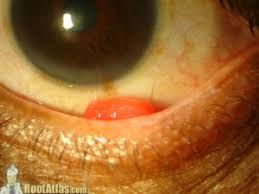
CONJUNCTIVA PYOGENIC GRANULOMA

Conjunctival pyogenic granuloma is a benign vascular proliferative growth, found on the conjunctiva. They appear as red or purple mass on the conjunctiva surface.

This condition is usually associated with trauma and surgery or even irritation.

The term pyogenic is oftentimes misleading as conjunctiva pyogenic granuloma is never as a result of infection, neither is it infectious. This condition is usually mistaken for hordeolum or chalazion

It can be treated with topical steroids and topical beta blockers. It can also be excised.