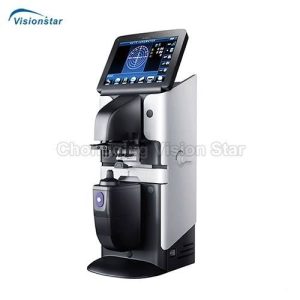
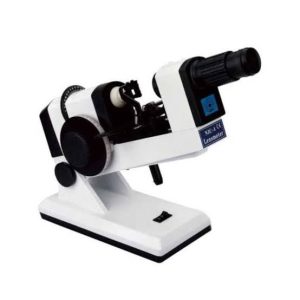
A lens meter, also known as a lensometer or focimeter, is an optical instrument used to measure the power and prescription of eyeglass lenses. It helps determine the correct lens power, axis, and other parameters for accurate vision correction.
Key Features of a Lens Meter
- Lens Power Measurement: Measures the spherical, cylindrical, and axis powers of a lens.
- Prescription Verification: Verifies the accuracy of a lens prescription.
- Lens Identification: Identifies the type of lens, including single vision, bifocal, or progressive.
- Quality Control: Checks for lens defects, such as scratches or distortions.
Types of Lens Meters
- Manual Lens Meters: Require manual adjustment and reading of measurements.
- Automatic Lens Meters: Use computerized technology for faster and more accurate measurements.
- Digital Lens Meters: Display measurements digitally, often with additional features like data storage and analysis.
Applications of Lens Meters
- Optometry and Ophthalmology: Used by eye care professionals to measure and verify lens prescriptions.
- Optical Laboratories: Used to quality control and verify lenses before shipping to customers.
- Research and Development: Used to test and develop new lens materials and designs.
Benefits of Lens Meters
- Accurate Measurements: Ensures accurate lens prescriptions and minimizes errors.
- Efficient Workflow: Streamlines the lens measurement process, saving time and increasing productivity.
- Improved Patient Care: Enhances patient care by providing accurate and reliable lens prescriptions.