Eagleview Eye Clinic
THE GLÀND OF THE ZEIS

The Glands of Zeis are:

  1. Sebaceous glands: Associated with the eyelashes, producing sebum.
  2. Function: Help keep the eyelashes and surrounding skin healthy, moisturized.
  3. Location: Located near the base of the eyelashes.

Dysfunction or blockage of the Glands of Zeis can lead to conditions like:

  1. Styes (hordeolum)
  2. Chalazion
  3. Blepharitis (inflammation of the eyelids)

These glands play a role in maintaining eyelid and ocular surface health.
THE GLÀND OF THE ZEIS

The Glands of Zeis are:

  1. Sebaceous glands: Associated with the eyelashes, producing sebum.
  2. Function: Help keep the eyelashes and surrounding skin healthy, moisturized.
  3. Location: Located near the base of the eyelashes.

Dysfunction or blockage of the Glands of Zeis can lead to conditions like:

  1. Styes (hordeolum)
  2. Chalazion
  3. Blepharitis (inflammation of the eyelids)

These glands play a role in maintaining eyelid and ocular surface health.
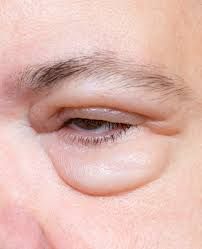
SWOLLEN EYE

Swollen eyes is one of the common  sign of several eye conditions and they include:

Infections.

Inflammation.

Allergies.

Fluid retention

Autoimmune conditions

Trauma to the face.

THINGS TO AVOID, IF YOU WANT TO REDUCE YOUR CHANCES OF HAVING DRY EYES

Dry eyes is either as a result of poor production of tears or fast evaporation of tears from the ocular surface.

The tear film and tears in general is super beneficial to the eyes.

One of the major benefits is lubrication of the ocular surface.

Dry eyes has lots of consequences, which have been discussed in many of our articles.

How do we reduce our chances l of having dry eyes?

  1. Avoid abuse of antihistamines and corticosteroids.
  2. Ensure that the eyes are well protected from irritants and harsh weather conditions.
  3. Spending long time on screen should be done with protective eye wears.
  4. Always have lubricating eye drops within reach. Especially if you reside in dry and Dusty areas.
  5. Always take periodic breaks when spending time on screen
PREDISPOSING FACTORS FOR DRY EYE SYNDROME

Dry eye syndrome is becoming rampant today in our generation. One of the reasons is because currently there is an  increased screen time amongst individuals today.

Almost everything today revolves around PCs , mobile phones, TVs and LED monitors.

Dry eye syndrome simply means insufficient tear quality on the surface of the eyeball either due to underproduction of tears or quick evaporation of the produced tears due to a depletion in the integrity of the lipid layer of the tear film.

Some of the predisposing factors includes:

  • Increased screen time.
  • Lack of adequate sleep
  • Infection /or inflammation of the tear gland
  • Dry weather.
  • Allergies
  • Regular use of systemic antihistamines and corticosteroids.
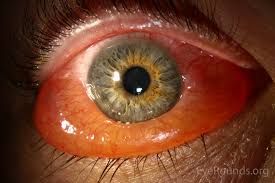
CHEMOSIS

Chemosis simply refers to the swelling of the conjunctiva, which is the thin filmed layer that coats the outer eye ball.

This swellings occurs when there’s leakage of exudates from the permeable capillaries of the conjunctiva.

Causes includes, allergies, itching, infection, HSV keratitis, trauma, surgery et.c

Treatment basically depends on the cause of chemosis