Eagleview Eye Clinic
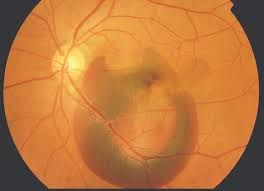
POLYPOIDAL CHOROIDAL VASCULOPATHY

Polypoidal Choroidal Vasculopathy (PCV)

Polypoidal choroidal vasculopathy is a subtype of age-related macular degeneration (AMD) characterized by:

  • Abnormal blood vessel growth
  • Polyp-like structures in the choroid
  • Fluid leakage and hemorrhage

Symptoms

  1. Vision loss: Sudden or gradual loss of central vision
  2. Distortion: Straight lines appear wavy
  3. Blind spots: Areas of decreased vision

Diagnosis

  1. Imaging tests: Indocyanine green angiography (ICG), OCT

Treatment

  1. Anti-vascular endothelial growth factor (anti-VEGF) injections: To reduce fluid leakage and vessel growth
  2. Photodynamic therapy: To close abnormal vessels
  3. Combination therapy: Anti-VEGF injections with photodynamic therapy

If you suspect PCV, consult an eye care professional for proper diagnosis and treatment to preserve vision.
CHOROIDAL DYSTROPHY

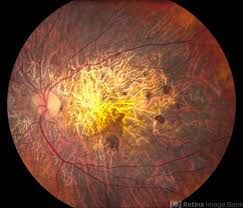
Choroidal Dystrophy

Choroidal dystrophy refers to a group of inherited eye disorders characterized by progressive degeneration of the choroid, retina, and retinal pigment epithelium. This can lead to:

  • Vision loss
  • Night blindness
  • Blind spots

Types

  1. Choroideremia: A rare, X-linked disorder
  2. Gyrate atrophy: A rare, autosomal recessive disorder
  3. Central areolar choroidal dystrophy: A condition affecting the central retina

Symptoms

  1. Night blindness: Difficulty seeing in low light
  2. Vision loss: Central or peripheral vision loss
  3. Blind spots: Areas of decreased vision

Management

  1. Genetic counseling: Understanding inheritance patterns
  2. Low vision rehabilitation: Adapting to vision loss
  3. Regular eye exams: Monitoring disease progression
  4. Research and clinical trials: Exploring potential treatments

If you have choroidal dystrophy, consult with an eye care professional or genetic counselor for personalized guidance and support.