Eagleview Eye Clinic

Tag choroidal diseases

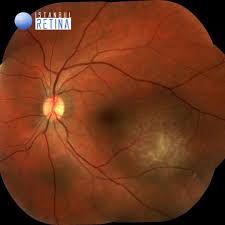
CHOROIDAL HEMANGIOMA

Choroidal Hemangioma

Choroidal hemangioma is a benign vascular tumor of the choroid layer of the eye. It can cause:

  • Vision problems
  • Fluid accumulation
  • Retinal detachment

Types

  1. Circumscribed choroidal hemangioma: Well-defined, localized tumor
  2. Diffuse choroidal hemangioma: Widespread tumor growth, often associated with Sturge-Weber syndrome

Symptoms

  1. Vision loss: Blurred or distorted vision
  2. Blind spots: Areas of decreased vision
  3. Metamorphopsia: Distorted vision

Treatment

  1. Observation: Monitoring tumor growth
  2. Laser photocoagulation: To reduce fluid accumulation
  3. Photodynamic therapy: To treat tumor and reduce fluid
  4. Radiation therapy: In some cases

If you suspect a choroidal hemangioma, consult an eye care professional for proper diagnosis and treatment to preserve vision.
HYPERTENSIVE CHOROIDOPATHY

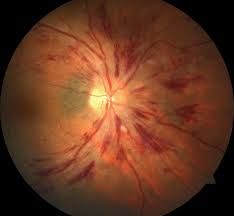
Hypertensive Choroidopathy

Hypertensive choroidopathy refers to damage to the choroid layer of the eye due to high blood pressure. This can cause:

  • Vision problems
  • Retinal damage
  • Choroidal ischemia (lack of blood flow)

Symptoms

  1. Vision loss: Blurred or distorted vision
  2. Blind spots: Areas of decreased vision
  3. Flashes: Flashes of light

Complications

  1. Retinal detachment: Separation of the retina from underlying tissue
  2. Choroidal neovascularization: Growth of new, fragile blood vessels

Management

  1. Blood pressure control: Managing hypertension through lifestyle changes and medication
  2. Regular eye exams: Monitoring eye health
  3. Treatment of complications: Such as anti-VEGF injections for CNV

If you have hypertension, regular eye exams can help detect and manage hypertensive choroidopathy. Consult with an eye care professional for personalized advice and treatment.