Eagleview Eye Clinic

Tag colour blindness

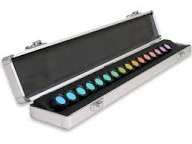
FARNSWORTH D15 TEST

The Farnsworth D15 test is a color vision test used to assess color perception and detect color vision deficiencies. Here’s a detailed overview:

Test Procedure:

  1. Colored caps: The test consists of 15 colored caps, each with a specific hue.
  2. Arranging the caps: The patient is asked to arrange the caps in a specific order, typically in a hue sequence.
  3. Testing conditions: The test is usually administered in a well-lit room with good color rendering.

Purpose:

The Farnsworth D15 test is used to:

  1. Detect color vision deficiencies: Identify individuals with color vision problems, particularly in the blue-yellow axis.
  2. Assess color discrimination: Evaluate the patient’s ability to distinguish between different colors.
  3. Monitor color vision: Track changes in color vision over time or after treatment.

Scoring and Interpretation:

  1. Error score: The number and type of errors are recorded and scored.
  2. Color confusion index: The results are often presented as a color confusion index, which indicates the severity of color vision deficiency.
  3. Interpretation: The results help diagnose and classify color vision deficiencies, such as tritanopia (blue-yellow deficiency).

Applications:

  1. Occupational vision assessments: Used in industries where color vision is critical, such as aviation, transportation, or graphic design.
  2. Clinical assessments: Helps diagnose and manage color vision problems in patients.
  3. Research: Used in studies on color vision and its applications.

The Farnsworth D15 test is a valuable tool for assessing color vision and detecting color vision deficiencies, enabling targeted interventions and accommodations.
COLOUR VISION DEFICIENCY


Color vision deficiency, also known as color blindness, is a condition where a person has difficulty perceiving certain colors. This is usually due to a genetic mutation affecting the light-sensitive cells (photoreceptors) in the retina.

Types


1. _Red-green color blindness_: Most common type, where individuals struggle to distinguish between red and green colors.


2. _Monochromacy_: Rare condition where a person sees the world in shades of gray only.


3. _Tritanopia_: Difficulty perceiving blue colors.

Causes


1. _Genetics_: Inherited trait, more common in males.


2. _Age-related_: Can occur due to aging.


3. _Eye diseases_: Certain conditions like cataracts or age-related macular degeneration.

Effects


1. _Difficulty with color distinction_: Challenges in everyday tasks, like selecting ripe fruit or understanding color-coded information.


2. _Adaptation_: Many people develop coping strategies.

Diagnosis


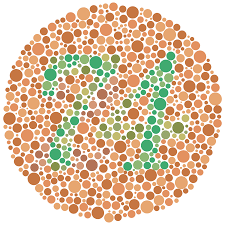
1. _Ishihara test_: A common test using dot patterns to identify color vision deficiency.


2. _Other tests_: Like the Hardy-Rand-Rittler test or the City University Color Vision Test.

If you’re concerned about color vision deficiency, consult an eye care professional for proper evaluation and guidance.

hotdepo slot maxwin asia200 vip388 super89 kelas777 asiaslot777 asia100 win188 zeus123 megawinslot hotdepo gitar100 pangkalantoto koko500 api naga mega888 asia300 uno4d wow33 merahtoto super33 MEGASLOT SLOT GOPAY wow33 megatoto koko500 hotdepo koko500 vip388 asia500 merahtoto vip388 vip33 koko500 super89 hotdepo koko500 kpk100 asia300 mahjong333 merahtoto hotdepo hotdepo hotdepo hotdepo hotdepo hotdepo hotdepo hotdepo hotdepo vip33 merahtoto vip388 wdbos asia100 dana100 koko500 merahtoto mahjong333 kl108 dana100 super33 asia100 koko500 vip33 merahtoto kl108 abc33 kl108 slot5000 koko500 koko11 hotdepo pg11 kl108 kl108 hotdepo koko500