Eagleview Eye Clinic

Tag contact lens

CONTACT LENS CASE

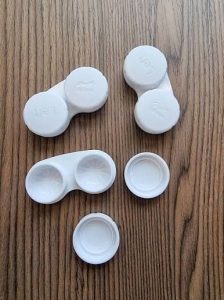
A contact lens case πŸ‘“ is a must-have for storing and caring for your lenses. It’s used to hold your lenses in solution when you’re not wearing them. Here are some things to consider:

  • Type: Look for a case that’s easy to open, clean, and dry. Some cases have separate wells for each lens, while others have a single compartment.
  • Material: Most cases are made of plastic, but some are designed to be more hygienic or have antimicrobial properties.
  • Size: Choose a case that’s compact enough to fit in your bag or purse.

Some popular features include:

  • Screw-top or snap-on lids: Easy to use and secure.
  • Labelled compartments: Helps you keep track of which lens is which.
  • Ventilation: Some cases have vents to help dry the lenses or reduce bacterial growth.
CONTACT LENS APPLICATOR

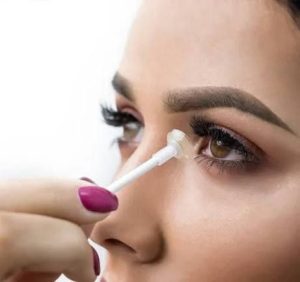
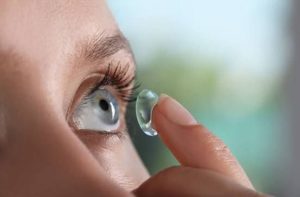
A contact lens applicator 😎 is a handy tool that helps you put in (and sometimes take out) contact lenses, especially if you’re a newbie or have dexterity issues. Types include:

  • Sucker/plucker: A small tool with a suction cup that grips the lens.
  • Finger-tip applicator: A guide that fits on your finger to help position the lens.

They’re super useful if:

  • You’re struggling to handle tiny lenses
  • You have arthritis or finger issues
  • You’re helping someone else with lenses (like kids)
MASKING CONTACT LENSES

Masking contact lenses (also called cosmetic or tinted lenses) are colored contacts used to change eye color or cover defects like corneal scars or irregularities.

Types:

  • Enhancement tints: Slight color to enhance natural eye color.
  • Opaque tints: Fully change eye color or cover abnormalities.
  • Prosthetic lenses: Specialized lenses for eyes with damage or disfigurement (e.g., after injury or to mask a scarred cornea).

Uses:

  • Cosmetic: Just to change how your eyes look.
  • Therapeutic: To help with light sensitivity (photophobia) or mask corneal scars.
  • Prosthetic: For eyes with irregularities to improve appearance.

They’re available with or without vision correction. Safety depends on proper fitting and hygiene β€” always get them from an eye care professional.

FLOURESCEIN STAINING

πŸ‘¨β€βš•οΈ Fluorescein dye is a diagnostic tool used in eye exams. It’s a sterile, orange-tinted solution that highlights corneal defects, scratches, or foreign bodies under blue light.

Key uses:

  1. Corneal abrasions: Stains damaged areas green
  2. Foreign bodies: Helps locate objects
  3. Dry eye assessment: Measures tear breakup time
  4. Contact lens fitting: Evaluates lens fit
  5. Leakage detection: Identifies aqueous humor leaks

Procedure:

  1. Apply anesthetic drops
  2. Place fluorescein strip in eye
  3. Examine under cobalt blue light

Precautions:

  • Temporary discoloration of contact lenses/skin
  • Rare allergic reactions
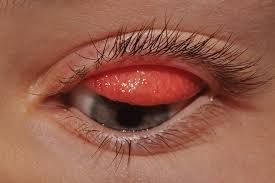
GIANT PAPILLARY CONJUNCTIVITIS

This is an inflammation of the inner lining of the upper eyelid caused by use of contact lens. The lining of the upper eye lid appears like small bubbles or stones over the surface

The condition is caused usually by trauma, and or use of soft contact lens.

Signs and symptoms includes pain, watery eyes, foreign body sensation, itching, blurry vision, et.c

Treatment involves antihistamines, steroids and lubricants.