Eagleview Eye Clinic

Tag cornea diseases

CORNEA DEBRIDING

Corneal debridement is the careful removal of damaged, diseased, or infected tissue from the cornea. It’s a common procedure in eye care, especially for infections like fungal keratitis.

Why it’s done:

  • Improves drug penetration: Meds can reach deeper layers better.
  • Diagnostic: Tissue can be tested to identify the pathogen.
  • Therapeutic: Removes infected tissue to stop spread.

How it’s done:

  1. Numbing: Anesthetic eye drops are used to prevent pain.
  2. Sterile instruments: A spatula, blade, or cotton swab is used to gently scrape the cornea.
  3. Microscope guidance: Often done under a slit-lamp or operating microscope.
  4. Cleaning: After scraping, the area may be irrigated.
  5. Medication: Antifungal, antibacterial, or antiviral drops are applied afterward.

It’s usually quick (minutes) and done in a clinic or minor operating room.
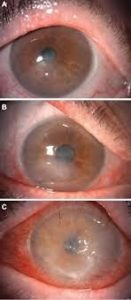
NEUROPARALYTIC KERATITIS

Neuroparalytic keratitis is a condition where the cornea becomes inflamed or damaged due to nerve dysfunction or paralysis, often resulting from:

  • Facial nerve palsy (e.g., Bell’s palsy)
  • Trigeminal nerve damage
  • Trauma
  • Stroke
  • Neurological disorders (e.g., multiple sclerosis)

This condition can lead to:

  • Decreased corneal sensation
  • Reduced blinking
  • Exposure keratopathy
  • Increased risk of corneal ulcers

Symptoms may include:

  • Eye pain
  • Redness
  • Blurred vision
  • Dryness

Treatment aims to:

  • Protect the cornea
  • Promote healing
  • Manage symptoms

Options may include:

  • Lubricating eye drops
  • Protective eyewear
  • Tarsorrhaphy (surgical eyelid closure)
  • Other supportive measures.
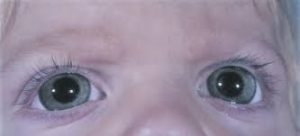
MEGALOCORNEA


Megalocornea is a rare, non-progressive condition characterized by an abnormally large cornea, typically greater than 13 mm in diameter. This condition is often present at birth and can occur in one or both eyes.

Characteristics


1. _Large corneal diameter_: The cornea is significantly larger than average.


2. _Normal corneal thickness_: Despite its size, the cornea is usually of normal thickness.


3. _Often associated with other ocular features_: Megalocornea can be associated with other eye abnormalities.

Potential Implications


1. _Refractive errors_: Patients may experience nearsightedness, farsightedness, or astigmatism.


2. _Increased risk of glaucoma_: Regular eye exams are essential to monitor intraocular pressure.

*LManagement


1. _Regular eye exams_: Monitoring for potential complications.


2. _Corrective lenses_: Glasses or contact lenses to correct refractive errors.


3. _Surgical interventions_: May be necessary to address associated conditions.

If you have concerns about megalocornea or its implications, consult an eye care professional for personalized advice and management.

MICROCORNEA


Microcornea is a rare congenital condition where the cornea is abnormally small, typically less than 10 mm in diameter. This can occur in one or both eyes.

Characteristics


1. _Small corneal diameter_: The cornea is smaller than usual.


2. _Associated conditions_: Microcornea can be associated with other ocular or systemic abnormalities.

Potential Complications


1. _Hyperopia_: Microcornea can lead to farsightedness due to the shorter axial length.


2. _Glaucoma_: Increased risk of developing glaucoma.


3. _Other eye abnormalities_: Microcornea may be associated with other ocular malformations.

Diagnosis


1. _Ophthalmological examination_: Measurement of corneal diameter.


2. _Imaging tests_: Ultrasound or other imaging modalities to assess the eye.

Management


1. _Corrective lenses_: Glasses or contact lenses to correct refractive errors.


2. _Monitoring_: Regular eye exams to monitor for potential complications.


3. _Surgical interventions_: In some cases, surgery may be necessary to address associated conditions.

If you’re concerned about microcornea or have questions, consult an eye care professional for personalized guidance.

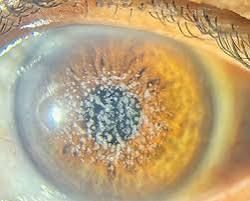
CORNEA DYSTROPHIES

Corneal Dystrophy

Corneal dystrophy is a group of genetic eye disorders that affect the cornea, leading to progressive vision loss. It’s characterized by:

  1. Abnormal corneal changes: Clouding, thinning, or scarring of the cornea.
  2. Gradual vision loss: Vision becomes increasingly blurred or distorted.
  3. Inherited: Often passed down through families.

Types include Fuchs’ dystrophy, keratoconus, and others.

Treatment may involve medication, surgery, or corneal transplant.

Regular eye exams are essential for monitoring and managing the condition.

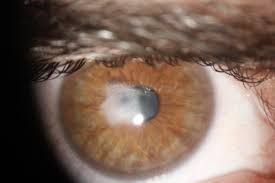
CORNEA SCAR

A corneal scar is an opacity or mark on the cornea, often caused by injury, infection, or surgery, affecting vision and potentially causing blurred or distorted vision.
Treatment options for corneal scars depend on the severity and location of the scar. They may include:


Treatment options for corneal scars depend on the severity and location of the scar. They may include:

1. Observation: Monitoring the scar for changes.


2. Medications: Using topical medications to reduce inflammation.


3. Corneal scraping or smoothing: Removing or smoothing the scar tissue.


4. Phototherapeutic keratectomy (PTK): Using laser treatment to remove scar tissue.


5. Corneal transplant: Replacing the damaged cornea with a donor cornea.