Eagleview Eye Clinic

Tag dry eyes

DISCIFORM SCAR

Disciform scar is the final scar stage of wet AMD or other causes of choroidal neovascularization (CNV). It’s basically the eye’s “healing” response after a bleed under the macula, but the scar damages central vision.

What it is

  • Definition: A gray-white, disc-shaped fibrous scar under the retina in the macular area
  • Size: Usually 1-5 mm wide, right where you need sharp vision
  • Tissue: Made of fibrous tissue, blood vessels, and pigment after a CNV membrane closes off

How it forms

  1. CNV develops: Abnormal blood vessels from the choroid break through Bruch’s membrane into the subretinal space
  2. Leakage and bleeding: Those vessels are fragile. They leak fluid and blood under the macula
  3. Inflammation + scarring: Your body tries to heal the bleed. Fibroblasts lay down collagen and the CNV becomes fibrotic
  4. RPE disruption: Retinal pigment epithelium clumps or dies, leaving pigment changes around the scar
  5. End stage: Active leakage stops, but the scar remains. This whole process takes weeks to months

Main causes

  • Wet age-related macular degeneration: Most common cause. Seen in patients 60+
  • Pathologic myopia: Can also end in a disciform scar, but in younger myopes it’s often called a Fuchs spot
  • Ocular histoplasmosis: POHS can cause CNV and scarring
  • Trauma or inflammation: Any CNV that bleeds can end this way if untreated

Appearance on exam

  • Color: Gray-white to yellow-white central lesion
  • Shape: Round or oval, “disc” like
  • Surrounding changes: Pigment clumps, atrophy, or lipid deposits at the edges
  • Size: Correlates with how bad vision loss is. Larger = worse

Symptoms

  • Central vision loss: Permanent blur or blank spot in the middle of vision
  • Distortion first: Before scar forms, patients report wavy lines from fluid. After scarring, it’s replaced by a fixed blind spot
  • Peripheral vision stays: You won’t go completely blind. Side vision is normal
  • Contrast loss: Reading and faces are hard even if acuity isn’t terrible

Diagnosis

  • Dilated fundus exam: Doctor sees the pale elevated scar
  • OCT scan: Shows hyperreflective subretinal material, loss of outer retinal layers, RPE disruption
  • Fluorescein angiography: Early CNV leaks. Late disciform scar stains but doesn’t leak because vessels are closed
  • History: Patient usually describes sudden vision drop months earlier from a bleed

Treatment

  • No reversing the scar: Once formed, the tissue is fibrotic and vision doesn’t return
  • Goal is prevention: Anti-VEGF injections like Avastin, Eylea, Vabysmo treat active wet AMD before it scars
  • Too late if scarred: Injections don’t help a mature disciform scar
  • Low vision rehab: Magnifiers, better lighting, eccentric viewing training to use peripheral retina

Disciform scar vs Fuchs spot
Feature Disciform scar Fuchs spot
Main cause Wet AMD Myopic CNV
Age 60+ usually 30s-50s
Color Gray-white fibrous Dark pigmented
Eye shape Normal axial length Long, >26.5 mm
Bilaterality Second eye at risk in 4-7 years Second eye at risk in 30-35%
Prognosis

  • Vision: Usually 6/60 or worse if the scar is subfoveal. If it’s off center, vision may be 6/12 to 6/24
  • Stability: Scar doesn’t grow, but geographic atrophy can develop around it
  • Other eye: High risk of wet AMD in fellow eye. Regular monitoring with Amsler grid and OCT is key

Bottom line: A disciform scar is the “tombstone” of wet AMD. Modern anti-VEGF therapy has made them much less common because we can shut down CNV before it bleeds and scars. That’s why sudden distortion or vision drop needs an urgent retina check.
DIETARY REQUIREMENTS FOR THE EYES

Dietary requirements for the eyes — what you eat directly affects your retina, lens, tear film, and optic nerve. Here’s the breakdown:

1. Omega-3 fatty acids: DHA & EPA

  • Why: DHA makes up 50-60% of fatty acids in your retina. Keeps photoreceptor cells flexible. EPA reduces eye surface inflammation
  • Sources: Salmon, mackerel, sardines, anchovies, fish oil supplements
  • Target: 2-3 servings fatty fish per week or 1000-2000 mg combined EPA+DHA daily
  • Benefits: Helps dry eye, meibomian gland function, may lower AMD risk

2. Lutein & Zeaxanthin

  • Why: These carotenoids form the macular pigment. Acts like “internal sunglasses” that filter harmful blue light
  • Sources: Kale, spinach, collard greens, egg yolks, corn, orange bell peppers
  • Target: 6-10 mg lutein + 2 mg zeaxanthin daily. AREDS2 used 10 mg + 2 mg
  • Benefits: Reduces risk of macular degeneration and cataracts

3. Vitamin A + Beta-carotene

  • Why: Vitamin A makes rhodopsin, the pigment your rods need for night vision. Deficiency = night blindness
  • Sources: Liver, dairy, eggs for preformed A. Carrots, sweet potatoes, pumpkin for beta-carotene
  • Target: 700-900 mcg RAE daily. Don’t overdo supplements because high dose vitamin A can be toxic
  • Benefits: Cornea health, night vision, prevents xerophthalmia

4. Vitamin C

  • Why: Antioxidant in the aqueous humor of your eye. Helps regenerate vitamin E and supports blood vessels
  • Sources: Oranges, guava, bell peppers, strawberries, broccoli
  • Target: 75-90 mg daily. AREDS used 500 mg for AMD patients
  • Benefits: Slows cataract progression, supports collagen in cornea/sclera

5. Vitamin E

  • Why: Protects eye cell membranes from oxidative damage
  • Sources: Almonds, sunflower seeds, avocado, wheat germ oil
  • Target: 15 mg daily. AREDS used 400 IU
  • Benefits: Works with vitamin C and zinc to slow AMD

6. Zinc

  • Why: Concentrated in retina and choroid. Helps vitamin A move from liver to retina to make melanin, a protective pigment
  • Sources: Oysters, beef, pumpkin seeds, cashews, beans
  • Target: 8-11 mg daily. AREDS2 used 80 mg zinc oxide, but high doses need copper added
  • Benefits: Critical for night vision and AMD risk reduction

7. Water & general hydration

  • Why: Your tear film is 98% water. Dehydration = worse dry eye
  • Target: About 2-3 L fluid daily depending on climate and activity
  • Benefits: Better tear volume, less gritty eyes

8. Other helpful nutrients

  • Vitamin D: May reduce inflammation in dry eye and AMD. Source: Sun, fatty fish, fortified milk
  • B vitamins: B2, B6, B12, folate help lower homocysteine, linked to retinal vein issues
  • Selenium & Copper: Cofactors for antioxidant enzymes in the eye

Sample eye-friendly day

  • Breakfast: Eggs with spinach + orange
  • Lunch: Grilled sardines, kale salad, almonds
  • Snack: Carrot sticks + guava
  • Dinner: Sweet potato, baked salmon, broccoli

Key rule: Eat colorful. Dark green, orange, yellow, and red foods usually pack the carotenoids your eyes need.

VIRAL CONJUNCTIVITIS

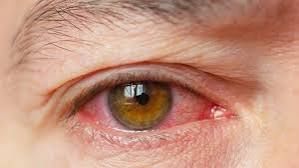
Viral keratitis = corneal infection caused by a virus (most often herpes simplex virus type 1). It’s a common cause of corneal inflammation and can lead to recurrent episodes.

Causes

  • Herpes simplex virus type 1 (HSV-1): Most common
  • Varicella-zoster virus (VZV): Shingles can affect the eye
  • Other viruses like adenovirus can cause keratitis too

Symptoms

  • Watery eyes
  • Eye pain or discomfort
  • Redness
  • Sensitivity to light (photophobia)
  • Blurred vision
  • Feeling of something in the eye
  • Sometimes tiny corneal ulcers or dendritic lesions (branching pattern)

Diagnosis

  • Slit-lamp exam: Look for typical dendritic ulcers with fluorescein stain
  • Viral PCR testing (corneal scraping) if needed

Treatment

  • Antivirals: Acyclovir ointment, ganciclovir gel, or oral antivirals for HSV
  • Steroids: May be used cautiously to reduce inflammation, but need monitoring
  • Supportive care: Lubricating eye drops for comfort

Complications

  • Recurrent episodes (HSV can hide in nerves and reactivate)
  • Corneal scarring → vision loss
  • Stromal keratitis (deeper corneal inflammation)

Prevention

  • Good hand hygiene
  • Avoid touching or rubbing eyes
  • Antiviral prophylaxis may be used for recurrent cases

NAVIGATING DRY EYE SYNDROME VIA NUTRITION

Managing dry eyes with diet involves incorporating foods rich in nutrients that support eye health. Here are some tips:

  • Omega-3 fatty acids: Include foods like salmon, sardines, walnuts, and chia seeds to reduce inflammation and promote tear production.
  • Vitamin A-rich foods: Eat carrots, sweet potatoes, spinach, and kale to support the health of the cornea.
  • Vitamin C-rich foods: Consume citrus fruits, bell peppers, and tomatoes to boost collagen production and tear quality.
  • Stay hydrated: Drink plenty of water throughout the day to keep your eyes moist.
  • Limit: Avoid foods high in sugar, salt, and processed ingredients that can exacerbate dry eyes.

Some specific foods that can help:

  • Salmon
  • Walnuts
  • Chia seeds
  • Spinach
  • Kale
  • Carrots
  • Sweet potatoes
  • Citrus fruits
  • Bell peppers.
GLAND OF MOLL

The Moll’s glands or glands of Moll. These are:

  1. Location: Small sweat glands located near the eyelashes, specifically in the eyelid margin.
  2. Function: They contribute to the secretion of sweat around the eye area.
  3. Clinical significance: Blockage or infection of these glands can lead to conditions like hordeolum (stye) or blepharitis.

The glands of Moll play a role in maintaining the health of the ocular surface and eyelid area.

GLAND OF MOLL

The Moll’s glands or glands of Moll. These are:

  1. Location: Small sweat glands located near the eyelashes, specifically in the eyelid margin.
  2. Function: They contribute to the secretion of sweat around the eye area.
  3. Clinical significance: Blockage or infection of these glands can lead to conditions like hordeolum (stye) or blepharitis.

The glands of Moll play a role in maintaining the health of the ocular surface and eyelid area.

THINGS TO AVOID, IF YOU WANT TO REDUCE YOUR CHANCES OF HAVING DRY EYES

Dry eyes is either as a result of poor production of tears or fast evaporation of tears from the ocular surface.

The tear film and tears in general is super beneficial to the eyes.

One of the major benefits is lubrication of the ocular surface.

Dry eyes has lots of consequences, which have been discussed in many of our articles.

How do we reduce our chances l of having dry eyes?

  1. Avoid abuse of antihistamines and corticosteroids.
  2. Ensure that the eyes are well protected from irritants and harsh weather conditions.
  3. Spending long time on screen should be done with protective eye wears.
  4. Always have lubricating eye drops within reach. Especially if you reside in dry and Dusty areas.
  5. Always take periodic breaks when spending time on screen
PREDISPOSING FACTORS FOR DRY EYE SYNDROME

Dry eye syndrome is becoming rampant today in our generation. One of the reasons is because currently there is an  increased screen time amongst individuals today.

Almost everything today revolves around PCs , mobile phones, TVs and LED monitors.

Dry eye syndrome simply means insufficient tear quality on the surface of the eyeball either due to underproduction of tears or quick evaporation of the produced tears due to a depletion in the integrity of the lipid layer of the tear film.

Some of the predisposing factors includes:

  • Increased screen time.
  • Lack of adequate sleep
  • Infection /or inflammation of the tear gland
  • Dry weather.
  • Allergies
  • Regular use of systemic antihistamines and corticosteroids.
DRAGON’S SPIT: Eye infection

Infection is the presence of virus, bacteria or fungus in the body.


An eye infection is a disease that affects the eye due to virus, bacteria or a fungus.

Some common  eye infections are:
Cellulitis, conjunctivitis, keratitis, herpes, dacryocystitis et.c.


Some of these infections are highly contagious and need to be treated immediately to prevent them from spreading.

Can Eye Infections be Contracted?

Yes, eye infections can be contracted through various means, including:

– Touching your eyes with unwashed hands
– Sharing makeup or makeup brushes
– Not disinfecting contact lenses properly
– Coming into contact with someone who has an eye infection.

Signs of Eye Infection

How can you tell if you have an eye infection? Look out for these symptoms:

– Pain in the eye
– Increased sensitivity to light
– Colored discharge from the eyes
– Sore sensation on the iris

Can Eye Infections Lead to Blindness?

If left untreated, eye infections can cause permanent vision damage or even blindness. It’s essential to seek medical attention immediately if you experience any symptoms.

Precaution

– Visit an eye professional if you notice any signs of eye infection, such as itching, watery discharge, or vision changes.

Written by: Adesoji Margaret

Moisture matters: The menace of dry eye syndrome.

How could my eyes be dried when it’s not my skin?

Dry eye occurs when the eye doesn’t produce enough tears to keep the outer surface eyes moisturized.

When the eye doesn’t release much tears to retain the moisture of the eye, it causes irritation and discomforts in the eye.

Just like the skin looks whitish ,dry and cracked when it’s not moisturized, the eyes as well gets dry when it doesn’t release enough tears to wet the eye.

Causes of dry eye are , age , hormonal changes, insufficient tears, exposure to windy environment, staring at a screen for extended period.

Signs and symptoms of dry eyes are :
• dry feeling in the eye
• ⁠burning sensation
• ⁠Teary eye
• ⁠redness

You are experiencing amy of the symptoms of dry eye  listed above ? Then you need to visit an eye clinic to get proper treatment for your eyes.

Written by: Adesoji Margaret