Eagleview Eye Clinic

Tag eye care professionals

SCLERAL ETASIA

Scleral ectasia is a condition where the sclera (the white part of the eye) becomes thin and bulges outward. This can be associated with various conditions, such as:

  1. Keratoconus: A progressive eye disease that causes the cornea to thin and bulge.
  2. Scleral thinning: Due to injury, surgery, or certain diseases.

Symptoms may include:

  1. Vision problems
  2. Eye pain or discomfort
  3. Sensitivity to light

If you’re experiencing any issues, consult an eye care professional for proper evaluation and treatment.
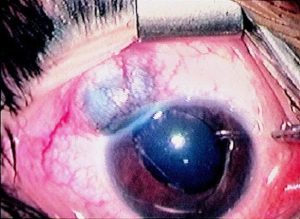
SCLERAL THINNING

Scleral Thinning

Scleral thinning is a condition where the sclera (white part of the eye) becomes:

  • Thin and weakened
  • Prone to perforation or rupture

Causes

  1. Inflammatory conditions: Scleritis, rheumatoid arthritis
  2. Infections: Bacterial or fungal
  3. Trauma: Eye injury
  4. Surgical complications: Post-operative thinning

Symptoms

  1. Eye pain: Discomfort or tenderness
  2. Redness: Inflammation
  3. Vision problems: Blurred vision

Treatment

  1. Monitoring: Regular eye exams
  2. Medical treatment: Addressing underlying conditions
  3. Surgical repair: In severe cases or to prevent perforation

If you have scleral thinning, consult an eye care professional for personalized advice and treatment to prevent complications.

NECROTIZING SCLERITIS

Necrotizing Scleritis

Necrotizing scleritis is a:

  • Severe inflammatory eye condition
  • Characterized by:
    1. Scleral inflammation: Inflammation of the white part of the eye
    2. Tissue necrosis: Death of scleral tissue
    3. Vision-threatening: Can lead to vision loss if untreated

Symptoms

  1. Severe eye pain: Often described as deep, boring pain
  2. Redness: Inflammation of the sclera
  3. Vision loss: Blurred vision or decreased vision

Treatment

  1. Immunosuppressive medications: To control inflammation
  2. Corticosteroids: May be used to reduce inflammation
  3. Surgical intervention: In some cases

If you suspect necrotizing scleritis, consult an eye care professional or rheumatologist for prompt diagnosis and treatment to prevent vision loss.

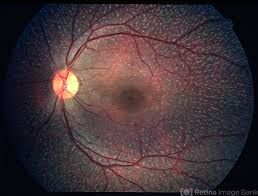
FUNDUS ALBIPUNCTATUS

Fundus Albipunctatus

Fundus albipunctatus is a:

  • Rare, inherited condition affecting the retina
  • Characterized by:
    1. White or yellowish dots: In the retina
    2. Night blindness: Difficulty seeing in low light
    3. Variable visual impairment: May experience reduced vision

Causes

  1. Genetic mutation: Affecting the RDH5 gene

Treatment

  1. No cure: Currently, no cure available
  2. Supportive care: Regular eye exams, low vision aids

If you have fundus albipunctatus, consult an eye care professional or retina specialist for personalized advice and support to manage vision loss.

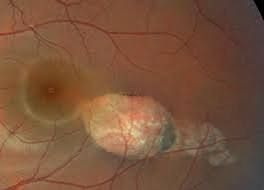
TORPEDO MACULOPATHY

Torpedo Maculopathy

Torpedo maculopathy is a:

  • Rare, congenital condition affecting the macula
  • Characterized by a distinctive “torpedo-shaped” lesion

Symptoms

  1. Vision loss: Variable, often mild to moderate
  2. Visual field defects: Blind spots or distorted vision

Characteristics

  1. Lesion shape: Torpedo-shaped or oval-shaped lesion in the macula
  2. Retinal pigment epithelium (RPE) changes: Abnormalities in the RPE layer

Treatment

  1. Monitoring: Regular eye exams to track progression
  2. No treatment: Often not necessary, but low vision aids may be helpful

If you have torpedo maculopathy, consult an eye care professional or retina specialist for personalized advice and monitoring to preserve vision.

STAGARDT DISEASE

Stargardt Disease

Stargardt disease is a:

  • Genetic eye disorder affecting the macula
  • Leading cause of inherited juvenile macular degeneration

Symptoms

  1. Vision loss: Central vision loss, blurred vision
  2. Color vision: Difficulty distinguishing colors
  3. Night vision: Impaired adaptation to darkness

Characteristics

  1. Macular degeneration: Damage to the macula, causing vision loss
  2. Lipofuscin accumulation: Abnormal buildup of lipofuscin in the retina

Treatment

  1. No cure: Currently, no cure available
  2. Supportive care: Regular eye exams, low vision aids
  3. Research: Ongoing studies on potential treatments, such as gene therapy

If you have Stargardt disease, consult an eye care professional or retina specialist for personalized advice and support to manage vision loss.

ARGYLL ROBERTSON PUPIL

Argyll Robertson Pupil

Argyll Robertson pupil is a rare condition characterized by:

  • Bilateral small pupils that constrict when focusing on a near object (accommodation) but do not react to light
  • Often associated with neurosyphilis or other neurological conditions

Symptoms

  1. Pupil reaction: Lack of reaction to light, but normal reaction to accommodation
  2. Vision problems: None directly related to the pupil reaction

Causes

  1. Neurosyphilis: Tertiary syphilis infection affecting the nervous system
  2. Other neurological conditions: Such as diabetes, multiple sclerosis, or CNS damage

Diagnosis

  1. Pupil examination: Observing pupil reaction to light and accommodation
  2. Medical history: Evaluating for underlying conditions

Treatment

  1. Address underlying condition: Treating the underlying cause, such as syphilis
  2. Monitoring: Regular eye exams to track pupil reaction and overall eye health

If you suspect an Argyll Robertson pupil, consult an eye care professional or a neurologist for proper diagnosis and treatment.

KNOWING YOUR EYECARE PROFESSIONALS


Opthalmologist: An opthalmologist is a medical doctor whom after getting their MBBS degree in medicine, receives a residency training for another 4years to specialize in treating eye conditions majorly with drugs and surgical intervention.


Optometrist: An Optometrist is a primary Eye care professional who have received a 6 year training in Examination, diagnosis, and treatment of all kinds of eye conditions with the use of medications and glasses with the exception of surgery. An Optometrist receives a Doctor of optometry degree after they have completed their training program.


Ophthalmic nurse: An opthalmic nurse is a nurse who have received specific trainings in basic Eyecare inorder to assist the Optometrist ad ophthalmologist in patient care.


Optician: An optician is a technician who has received trainings in fitting and dispensing recommended spectacles as prescribed by the opthalmologist or Optometrist.