Eagleview Eye Clinic

Tag eye care professionals

PTOSIS REPAIR SURGERY

Ptosis repair is a surgical procedure to correct droopy eyelids (ptosis), which can affect one or both eyes. The goal is to:

  1. Improve eyelid position: Lift the eyelid to a more normal position.
  2. Enhance vision: Reduce obstruction of the visual field.
  3. Improve appearance: Restore a more youthful and alert appearance.

The procedure can be performed on children or adults, depending on the cause and severity of the ptosis.

Some common techniques include:

  1. Levator resection: Tightening the levator muscle.
  2. Müllerectomy: Removing a portion of the Müller muscle.
  3. Frontalis sling: Using a sling to suspend the eyelid.

If you’re considering ptosis repair, consult with an oculoplastic surgeon or ophthalmologist to determine the best approach for your specific case.
OCULOPLASTIC SURGERY

Oculoplastic surgery is a subspecialty of ophthalmology that focuses on reconstructive and cosmetic procedures for the eyelids, orbit, and lacrimal system.

Some common procedures include:

  1. Blepharoplasty (eyelid surgery)
  2. Ptosis repair (droopy eyelid correction)
  3. Orbital tumor removal
  4. Eyelid reconstruction
  5. Tear duct surgery

Oculoplastic surgeons often work with patients who have conditions such as:

  1. Eyelid malpositions
  2. Orbital trauma
  3. Tumors
  4. Congenital abnormalities

If you’re considering oculoplastic surgery, consult with an experienced oculoplastic surgeon to discuss your options and determine the best course of treatment.

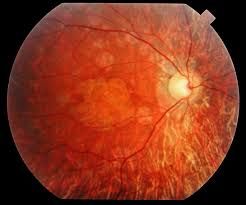
CONE – ROD DYSTROPHY

Cone-rod dystrophy is a group of inherited eye disorders that affect the retina, leading to progressive vision loss. It typically starts with:

  1. Loss of cone cell function: Affecting color vision, visual acuity, and central vision.
  2. Later involvement of rod cells: Impacting night vision and peripheral vision.

Symptoms may include:

  • Difficulty with color vision
  • Decreased visual acuity
  • Sensitivity to light
  • Night blindness (in later stages)

If you or someone you know is experiencing symptoms, consulting an optometrist or retinal specialist can provide a proper diagnosis and guidance on managing the condition.

KEARNE SAYRE  SYNDROME

Kearns-Sayre Syndrome (KSS) is a rare mitochondrial disorder characterized by:

  1. Progressive external ophthalmoplegia: Weakness or paralysis of the eye muscles.
  2. Pigmentary retinopathy: Degeneration of the retina.
  3. Cardiac conduction defects: Abnormal heart rhythms.

Other symptoms may include:

  1. Muscle weakness
  2. Hearing loss
  3. Endocrine disorders

KSS typically presents before age 20. Management involves monitoring and treating symptoms, as there’s no cure. Consult a neurologist or geneticist for guidance.

OCULAR MYOSITIS

Ocular myositis is a rare inflammatory condition that affects the extraocular muscles, which control eye movement. Symptoms may include:

  1. Eye pain: Pain or discomfort in or around the eye.
  2. Diplopia (double vision): Difficulty moving eyes in sync.
  3. Limited eye movement: Restricted or abnormal eye movements.
  4. Swelling: Inflammation or swelling of the affected muscles.

Treatment typically involves:

  1. Corticosteroids: To reduce inflammation.
  2. Immunosuppressive medications: In some cases.

If you’re experiencing symptoms, consult an optometrist or neurologist for proper evaluation and treatment.

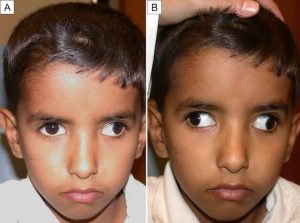
DUANE SYNDROME

Duane syndrome is a rare congenital eye movement disorder characterized by limited or absent eye movement, particularly in outward (abduction) or inward (adduction) directions. It can cause:

  1. Strabismus (crossed eyes): Misalignment of the eyes.
  2. Limited eye movement: Restricted movement in certain directions.
  3. Head turns: Compensatory head movements to achieve binocular vision.

There are three types of Duane syndrome, classified based on the direction of limited eye movement. Treatment may include:

  1. Glasses or prisms: To improve vision and alignment.
  2. Surgery: To improve eye alignment and movement.

If you or someone you know has Duane syndrome, consulting an optometrist or strabismus specialist can help determine the best treatment approach.

DUANE SYNDROME

Duane syndrome is a rare congenital eye movement disorder characterized by limited or absent eye movement, particularly in outward (abduction) or inward (adduction) directions. It can cause:

  1. Strabismus (crossed eyes): Misalignment of the eyes.
  2. Limited eye movement: Restricted movement in certain directions.
  3. Head turns: Compensatory head movements to achieve binocular vision.

There are three types of Duane syndrome, classified based on the direction of limited eye movement. Treatment may include:

  1. Glasses or prisms: To improve vision and alignment.
  2. Surgery: To improve eye alignment and movement.

If you or someone you know has Duane syndrome, consulting an optometrist or strabismus specialist can help determine the best treatment approach.

DUANE SYNDROME

Duane syndrome is a rare congenital eye movement disorder characterized by limited or absent eye movement, particularly in outward (abduction) or inward (adduction) directions. It can cause:

  1. Strabismus (crossed eyes): Misalignment of the eyes.
  2. Limited eye movement: Restricted movement in certain directions.
  3. Head turns: Compensatory head movements to achieve binocular vision.

There are three types of Duane syndrome, classified based on the direction of limited eye movement. Treatment may include:

  1. Glasses or prisms: To improve vision and alignment.
  2. Surgery: To improve eye alignment and movement.

If you or someone you know has Duane syndrome, consulting an optometrist or strabismus specialist can help determine the best treatment approach.

DUANE SYNDROME

Duane syndrome is a rare congenital eye movement disorder characterized by limited or absent eye movement, particularly in outward (abduction) or inward (adduction) directions. It can cause:

  1. Strabismus (crossed eyes): Misalignment of the eyes.
  2. Limited eye movement: Restricted movement in certain directions.
  3. Head turns: Compensatory head movements to achieve binocular vision.

There are three types of Duane syndrome, classified based on the direction of limited eye movement. Treatment may include:

  1. Glasses or prisms: To improve vision and alignment.
  2. Surgery: To improve eye alignment and movement.

If you or someone you know has Duane syndrome, consulting an optometrist or strabismus specialist can help determine the best treatment approach.

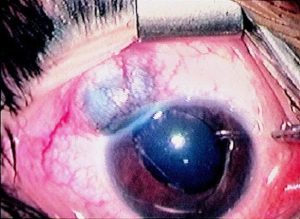
SCLERAL ETASIA

Scleral ectasia is a condition where the sclera (the white part of the eye) becomes thin and bulges outward. This can be associated with various conditions, such as:

  1. Keratoconus: A progressive eye disease that causes the cornea to thin and bulge.
  2. Scleral thinning: Due to injury, surgery, or certain diseases.

Symptoms may include:

  1. Vision problems
  2. Eye pain or discomfort
  3. Sensitivity to light

If you’re experiencing any issues, consult an eye care professional for proper evaluation and treatment.

hotdepo slot maxwin asia200 vip388 super89 kelas777 asiaslot777 asia100 win188 zeus123 megawinslot hotdepo gitar100 pangkalantoto koko500 api naga mega888 asia300 uno4d wow33 merahtoto super33 MEGASLOT SLOT GOPAY wow33 megatoto koko500 hotdepo koko500 vip388 asia500 merahtoto vip388 vip33 koko500 super89 hotdepo koko500 kpk100 asia300 mahjong333 merahtoto hotdepo hotdepo hotdepo hotdepo hotdepo hotdepo hotdepo hotdepo hotdepo vip33 merahtoto vip388 wdbos asia100 dana100 koko500 merahtoto mahjong333 kl108 dana100 super33 asia100 koko500 vip33 merahtoto kl108 abc33 kl108 slot5000 koko500 koko11 hotdepo pg11 kl108 kl108 hotdepo koko500