Eagleview Eye Clinic

Tag eye diseases

Slow-k

👨‍⚕️ SLOW K is a potassium supplement.

Uses:

  1. Potassium deficiency: Treats or prevents low levels
  2. Hypokalemia: Manages low potassium
  3. Diuretic therapy: Replenishes potassium

Eye-related connection:

  1. Glaucoma treatment: Sometimes used with other meds

Notes:

  1. Monitor levels: Regular blood tests
  2. GI side effects: Nausea, vomiting, or diarrhea
DIAMOX

👨‍⚕️ Diamox (Acetazolamide) is a carbonic anhydrase inhibitor.

Uses:

  1. Glaucoma: Reduces intraocular pressure
  2. Edema: Treats fluid retention
  3. Altitude sickness: Prevents and treats symptoms
  4. Epilepsy: Adjunct therapy

Eye-related uses:

  1. Iocular pressure reduction: Glaucoma treatment
  2. Cystoid macular edema: Treats fluid buildup

Side effects:

  1. Numbness/tingling: Hands, feet, or face
  2. Dizziness: May affect daily activities
  3. Increased urination: Monitor hydration
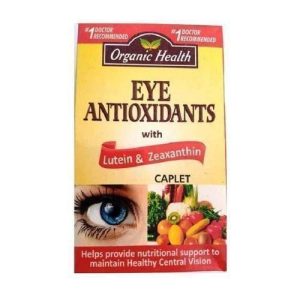
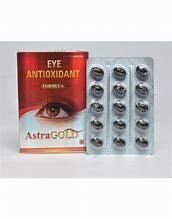
EYE ANTIOXIDANTS

👨‍⚕️ Eye antioxidants help protect eyes from oxidative stress and damage.

Key antioxidants:

  1. Lutein: Found in retina, filters blue light
  2. Zeaxanthin: Protects macula
  3. Vitamin C: Supports collagen production
  4. Vitamin E: Protects cell membranes
  5. Zinc: Essential for retina health

Benefits:

  1. AMD prevention: Reduces risk
  2. Cataract prevention: May slow progression
  3. Eye health: Supports overall vision

Food sources:

  1. Leafy greens: Spinach, kale
  2. Colorful fruits: Berries, citrus
  3. Nuts and seeds: Almonds, sunflower seeds
  4. Fatty fish: Salmon, tuna
COLLAGEN CROSS LINKING

👨‍⚕️ Collagen cross-linking is a treatment for keratoconus and corneal ectasia.

How it works:

  1. Riboflavin drops: Applied to cornea
  2. UV light: Activates riboflavin
  3. Cross-linking: Strengthens corneal tissue

Benefits:

  1. Stops progression: Prevents further thinning
  2. Improves vision: Stabilizes cornea
  3. Delays transplant: Alternative to surgery

Procedure:

  1. Remove epithelium: Optional
  2. Apply riboflavin: Soak cornea
  3. UV light exposure: 10-30 minutes
  4. Healing: Bandage lens or drops

Risks:

  1. Pain: Post-procedure discomfort
  2. Infection: Rare
  3. Haze: Temporary vision issue
CORNEA REPAIR

👨‍⚕️ Cornea repair refers to treatments for corneal damage or disease. Options include:

Methods:

  1. Corneal transplant: Replace damaged tissue
  2. Corneal graft: Transplant healthy tissue
  3. LASIK/PRK: Reshape cornea for vision correction
  4. Collagen cross-linking: Strengthen corneal tissue
  5. Amniotic membrane transplant: Promote healing

Indications:

  1. Corneal ulcers: Infection or injury
  2. Keratoconus: Progressive thinning
  3. Scarring: Visual impairment
  4. Injury: Trauma or chemical burns

Goals:

  1. Restore vision: Improve clarity
  2. Relieve pain: Manage symptoms
  3. Prevent complications: Infection or further damage
LOCAL ANAESTHESIA

👨‍⚕️ Local anesthesia numbs a specific area, blocking pain signals to the brain. In eye care, it’s used for procedures like cataract surgery, corneal scraping, or injections.

Common agents:

  1. Lidocaine: Fast-acting, short duration
  2. Bupivacaine: Longer-lasting
  3. Proparacaine: Topical anesthetic for surface procedures

Administration:

  1. Topical drops: Surface anesthesia
  2. Injections: Subconjunctival or periocular blocks
  3. Gel or ointment: Prolonged effect

Effects:

  1. Numbness: Reduced pain sensation
  2. Muscle relaxation: Reduced eye movement
  3. Variable duration: Depends on agent and dose
LISAMINE GREEN STAINING

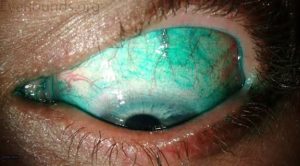
👨‍⚕️ Lissamine Green staining test assesses ocular surface damage, particularly conjunctival epithelial damage.

Procedure:

  1. Apply anesthetic drops (optional)
  2. Place Lissamine Green drops in eye
  3. Examine under white or blue light

Interpretation:

  • Staining pattern: Indicates damage location/severity
  • Scoring systems: Grade staining (e.g., Oxford scale)

Uses:

  1. Dry eye disease: Evaluates conjunctival staining
  2. Ocular surface disorders: Identifies damaged areas
  3. Conjunctival disorders: Assesses inflammation
ROSE BENGAL STAINING

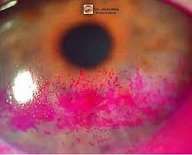
👨‍⚕️ Rose Bengal is a diagnostic dye used to assess ocular surface damage. It’s a red, water-soluble dye that stains devitalized epithelial cells, mucus, and filaments.

Key uses:

  1. Dry eye disease: Stains damaged conjunctiva/cornea
  2. Corneal ulcers: Identifies infected areas
  3. Ocular surface disorders: Detects epithelial defects
  4. Keratitis: Assesses corneal inflammation

Procedure:

  1. Apply anesthetic drops (optional)
  2. Place Rose Bengal drops in eye
  3. Examine under white or blue light

Interpretation:

  • Staining pattern: Indicates damage location/severity
  • Scoring systems: Grade staining (e.g., Oxford scale)

Precautions:

  • Stains contact lenses/sclera (temporary)
  • Mild stinging sensation
  • Use cautiously in severe dry eye
FLOURESCEIN ANGIOGRAPHY

👨‍⚕️ Fluorescein angiography is a diagnostic test that uses fluorescein dye and a specialized camera to visualize the retinal blood vessels.

Key uses:

  1. Diabetic retinopathy: Detects leakage, neovascularization
  2. Macular degeneration: Identifies abnormal blood vessels
  3. Retinal vascular occlusions: Diagnoses blockages
  4. Tumors: Highlights abnormal vessels

Procedure:

  1. Inject fluorescein dye into arm vein
  2. Take photographs as dye circulates
  3. Capture early and late-phase images

Findings:

  • Leakage: Dye escape from vessels
  • Blockage: Dark areas (hypofluorescence)
  • Neovascularization: Abnormal vessels

Precautions:

  • Nausea, yellow skin discoloration (temporary)
  • Allergic reactions (rare)
  • Pregnancy/breastfeeding: Use cautiously
FLOURESCEIN STAINING

👨‍⚕️ Fluorescein dye is a diagnostic tool used in eye exams. It’s a sterile, orange-tinted solution that highlights corneal defects, scratches, or foreign bodies under blue light.

Key uses:

  1. Corneal abrasions: Stains damaged areas green
  2. Foreign bodies: Helps locate objects
  3. Dry eye assessment: Measures tear breakup time
  4. Contact lens fitting: Evaluates lens fit
  5. Leakage detection: Identifies aqueous humor leaks

Procedure:

  1. Apply anesthetic drops
  2. Place fluorescein strip in eye
  3. Examine under cobalt blue light

Precautions:

  • Temporary discoloration of contact lenses/skin
  • Rare allergic reactions