Eagleview Eye Clinic

Tag eye diseases

COLLAGEN CROSS LINKING

👨‍⚕️ Collagen cross-linking is a treatment for keratoconus and corneal ectasia.

How it works:

  1. Riboflavin drops: Applied to cornea
  2. UV light: Activates riboflavin
  3. Cross-linking: Strengthens corneal tissue

Benefits:

  1. Stops progression: Prevents further thinning
  2. Improves vision: Stabilizes cornea
  3. Delays transplant: Alternative to surgery

Procedure:

  1. Remove epithelium: Optional
  2. Apply riboflavin: Soak cornea
  3. UV light exposure: 10-30 minutes
  4. Healing: Bandage lens or drops

Risks:

  1. Pain: Post-procedure discomfort
  2. Infection: Rare
  3. Haze: Temporary vision issue
CORNEA REPAIR

👨‍⚕️ Cornea repair refers to treatments for corneal damage or disease. Options include:

Methods:

  1. Corneal transplant: Replace damaged tissue
  2. Corneal graft: Transplant healthy tissue
  3. LASIK/PRK: Reshape cornea for vision correction
  4. Collagen cross-linking: Strengthen corneal tissue
  5. Amniotic membrane transplant: Promote healing

Indications:

  1. Corneal ulcers: Infection or injury
  2. Keratoconus: Progressive thinning
  3. Scarring: Visual impairment
  4. Injury: Trauma or chemical burns

Goals:

  1. Restore vision: Improve clarity
  2. Relieve pain: Manage symptoms
  3. Prevent complications: Infection or further damage
LOCAL ANAESTHESIA

👨‍⚕️ Local anesthesia numbs a specific area, blocking pain signals to the brain. In eye care, it’s used for procedures like cataract surgery, corneal scraping, or injections.

Common agents:

  1. Lidocaine: Fast-acting, short duration
  2. Bupivacaine: Longer-lasting
  3. Proparacaine: Topical anesthetic for surface procedures

Administration:

  1. Topical drops: Surface anesthesia
  2. Injections: Subconjunctival or periocular blocks
  3. Gel or ointment: Prolonged effect

Effects:

  1. Numbness: Reduced pain sensation
  2. Muscle relaxation: Reduced eye movement
  3. Variable duration: Depends on agent and dose
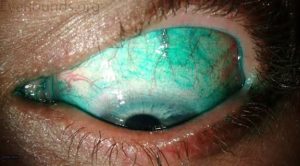
LISAMINE GREEN STAINING

👨‍⚕️ Lissamine Green staining test assesses ocular surface damage, particularly conjunctival epithelial damage.

Procedure:

  1. Apply anesthetic drops (optional)
  2. Place Lissamine Green drops in eye
  3. Examine under white or blue light

Interpretation:

  • Staining pattern: Indicates damage location/severity
  • Scoring systems: Grade staining (e.g., Oxford scale)

Uses:

  1. Dry eye disease: Evaluates conjunctival staining
  2. Ocular surface disorders: Identifies damaged areas
  3. Conjunctival disorders: Assesses inflammation
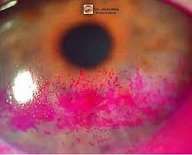
ROSE BENGAL STAINING

👨‍⚕️ Rose Bengal is a diagnostic dye used to assess ocular surface damage. It’s a red, water-soluble dye that stains devitalized epithelial cells, mucus, and filaments.

Key uses:

  1. Dry eye disease: Stains damaged conjunctiva/cornea
  2. Corneal ulcers: Identifies infected areas
  3. Ocular surface disorders: Detects epithelial defects
  4. Keratitis: Assesses corneal inflammation

Procedure:

  1. Apply anesthetic drops (optional)
  2. Place Rose Bengal drops in eye
  3. Examine under white or blue light

Interpretation:

  • Staining pattern: Indicates damage location/severity
  • Scoring systems: Grade staining (e.g., Oxford scale)

Precautions:

  • Stains contact lenses/sclera (temporary)
  • Mild stinging sensation
  • Use cautiously in severe dry eye
FLOURESCEIN ANGIOGRAPHY

👨‍⚕️ Fluorescein angiography is a diagnostic test that uses fluorescein dye and a specialized camera to visualize the retinal blood vessels.

Key uses:

  1. Diabetic retinopathy: Detects leakage, neovascularization
  2. Macular degeneration: Identifies abnormal blood vessels
  3. Retinal vascular occlusions: Diagnoses blockages
  4. Tumors: Highlights abnormal vessels

Procedure:

  1. Inject fluorescein dye into arm vein
  2. Take photographs as dye circulates
  3. Capture early and late-phase images

Findings:

  • Leakage: Dye escape from vessels
  • Blockage: Dark areas (hypofluorescence)
  • Neovascularization: Abnormal vessels

Precautions:

  • Nausea, yellow skin discoloration (temporary)
  • Allergic reactions (rare)
  • Pregnancy/breastfeeding: Use cautiously
FLOURESCEIN STAINING

👨‍⚕️ Fluorescein dye is a diagnostic tool used in eye exams. It’s a sterile, orange-tinted solution that highlights corneal defects, scratches, or foreign bodies under blue light.

Key uses:

  1. Corneal abrasions: Stains damaged areas green
  2. Foreign bodies: Helps locate objects
  3. Dry eye assessment: Measures tear breakup time
  4. Contact lens fitting: Evaluates lens fit
  5. Leakage detection: Identifies aqueous humor leaks

Procedure:

  1. Apply anesthetic drops
  2. Place fluorescein strip in eye
  3. Examine under cobalt blue light

Precautions:

  • Temporary discoloration of contact lenses/skin
  • Rare allergic reactions
CASE HISTORY

A case history is a detailed record of a patient’s medical history, symptoms, and treatment plan. For eye care, it includes:

Key components:

  1. Chief complaint: Patient’s main issue (e.g., blurred vision)
  2. History of present illness: Symptoms, duration, severity
  3. Medical history: Systemic conditions, medications
  4. Ocular history: Previous eye issues, surgeries
  5. Family history: Relevant eye conditions
  6. Social history: Lifestyle, occupation, habits
  7. Medications: Current medications, allergies

Purpose:

  1. Accurate diagnosis
  2. Personalized treatment plan
  3. Monitoring progress
CYCLOPLEGIC REFRACTION

Cycloplegic refraction is an eye exam that temporarily paralyzes the ciliary muscle, relaxing the eye’s focusing power. This helps determine the true refractive error, especially in children or those with accommodative esotropia.

Key uses:

  1. Accurate prescription for glasses or contact lenses
  2. Diagnosing amblyopia or strabismus
  3. Managing accommodative esotropia
MIOTIC DRUGS

👨‍⚕️ Miotic drugs constrict the pupil (miosis) and reduce intraocular pressure (IOP). Used for glaucoma, post-surgery, or counteracting mydriasis.

Common examples:

  1. Pilocarpine (cholinergic)
    • Effect: 1–2 hours, lasts 4–8h.
    • Use: Open-angle glaucoma, miosis.
    • Side effects: Headache, dim vision, brow ache.
  2. Carbachol (cholinergic)
    • Effect: Strong, longer-lasting.
    • Use: Glaucoma, post-op care.
    • Risk: Retinal detachment risk.
  3. Acetylcholine (direct-acting)
    • Use: Intraocular surgery (short-acting).
  4. Echothiophate (anticholinesterase)
    • Use: Chronic glaucoma.
    • Risk: Cysts, systemic toxicity.

Precautions:

  • Night vision issues: Avoid driving in low light.
  • Retinal risk: Check for detachment symptoms.
  • Asthma/COPD: Caution (bronchospasm).
  • Tapering: Avoid sudden stop.