Eagleview Eye Clinic
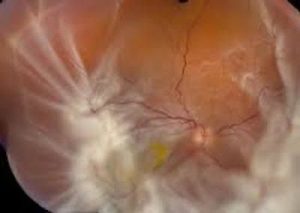
PROLIFERATIVE VITREORETINOPATHY

Proliferative Vitreoretinopathy (PVR)

Proliferative vitreoretinopathy (PVR) is a:

  • Complication of retinal detachment or eye injury
  • Characterized by:
    1. Scarring: Formation of fibrotic membranes in the vitreous and retina
    2. Retinal traction: Contraction of scar tissue, leading to retinal detachment or vision loss

Causes

  1. Retinal detachment: Previous detachment or surgery
  2. Eye injury: Trauma or inflammation

Treatment

  1. Surgery: Vitrectomy and membrane peeling to remove scar tissue
  2. Complex retinal surgery: May require multiple procedures

If you have PVR, consult a retina specialist for personalized advice and treatment to manage the condition and preserve vision.

ARGYLL ROBERTSON PUPIL

Argyll Robertson Pupil

Argyll Robertson pupil is a rare condition characterized by:

  • Bilateral small pupils that constrict when focusing on a near object (accommodation) but do not react to light
  • Often associated with neurosyphilis or other neurological conditions

Symptoms

  1. Pupil reaction: Lack of reaction to light, but normal reaction to accommodation
  2. Vision problems: None directly related to the pupil reaction

Causes

  1. Neurosyphilis: Tertiary syphilis infection affecting the nervous system
  2. Other neurological conditions: Such as diabetes, multiple sclerosis, or CNS damage

Diagnosis

  1. Pupil examination: Observing pupil reaction to light and accommodation
  2. Medical history: Evaluating for underlying conditions

Treatment

  1. Address underlying condition: Treating the underlying cause, such as syphilis
  2. Monitoring: Regular eye exams to track pupil reaction and overall eye health

If you suspect an Argyll Robertson pupil, consult an eye care professional or a neurologist for proper diagnosis and treatment.

WORLD OPTOMETRY DAY

World OPTOMETRY DAY is a day set aside to celebrate Optometrists all over the world and to create awareness on the optometry profession.

The world OPTOMETRY DAY is usually slated for 23rd march every year.

An optometrist is a professional  who posseses a doctor of optometry degree (OD) and is trained to examine,  diagnose and treat all kinds of eye conditions with use of drugs and glasses with exception of surgical intervention.

An Optometrist spends 6years at a board certified and NUC accredited tertiary institution to become fully trained as an optometrist in Nigeria.

Different countries have their own requirements to become an optometrist.

To fully practice as an optometrist in Nigeria, a optometry graduate will have to go for the mandatory one year internship training at a registered eye clinic, afterwards proceed for the National youth service corp.

An optometrist can decide to further become consultant in any of the sub specialties in the profession by doing  a Residency program at the Nigerian college of optometry.

Sub specialties in the OPTOMETRY profession includes: cornea and contact lens care, orthoptics, geratrics and low vision, community health , paediatric Optometry, o cular health, occupational vision.

WORLD OPTOMETRY DAY

World OPTOMETRY DAY is a day set aside to celebrate Optometrists all over the world and to create awareness on the optometry profession.

The world OPTOMETRY DAY is usually slated for 23rd march every year.

An optometrist is a professional  who posseses a doctor of optometry degree (OD) and is trained to examine,  diagnose and treat all kinds of eye conditions with use of drugs and glasses with exception of surgical intervention.

An Optometrist spends 6years at a board certified and NUC accredited tertiary institution to become fully trained as an optometrist in Nigeria.

Different countries have their own requirements to become an optometrist.

To fully practice as an optometrist in Nigeria, a optometry graduate will have to go for the mandatory one year internship training at a registered eye clinic, afterwards proceed for the National youth service corp.

An optometrist can decide to further become consultant in any of the sub specialties in the profession by doing  a Residency program at the Nigerian college of optometry.

Sub specialties in the OPTOMETRY profession includes: cornea and contact lens care, orthoptics, geratrics and low vision, community health , paediatric Optometry, o cular health, occupational vision.

WORLD OPTOMETRY DAY

World OPTOMETRY DAY is a day set aside to celebrate Optometrists all over the world and to create awareness on the optometry profession.

The world OPTOMETRY DAY is usually slated for 23rd march every year.

An optometrist is a professional  who posseses a doctor of optometry degree (OD) and is trained to examine,  diagnose and treat all kinds of eye conditions with use of drugs and glasses with exception of surgical intervention.

An Optometrist spends 6years at a board certified and NUC accredited tertiary institution to become fully trained as an optometrist in Nigeria.

Different countries have their own requirements to become an optometrist.

To fully practice as an optometrist in Nigeria, a optometry graduate will have to go for the mandatory one year internship training at a registered eye clinic, afterwards proceed for the National youth service corp.

An optometrist can decide to further become consultant in any of the sub specialties in the profession by doing  a Residency program at the Nigerian college of optometry.

Sub specialties in the OPTOMETRY profession includes: cornea and contact lens care, orthoptics, geratrics and low vision, community health , paediatric Optometry, o cular health, occupational vision.

WHAT TO DO WHEN A VENOMOUS REPTILE, INJECTS VENOM INTO YOUR EYES….

Venom ophthalmia Occurs when a venomous reptile spits or injects their venom into your eyes.

Signs and symptoms of these conditions includes, pain, peppery sensation, red eyes, cornea ulcer, reduced vision.

When you are faced with this condition, it’s best to do the following to prevent permanent loss of vision.

  1. Forcefully pour water into the eyes for 15 to 20mins.
  2. Apply an antibiotic ointment immediately.
  3. Visit an optometrist within 24hrs.
WHAT TO DO WHEN A VENOMOUS REPTILE, INJECTS VENOM INTO YOUR EYES….

Venom ophthalmia Occurs when a venomous reptile spits or injects their venom into your eyes.

Signs and symptoms of these conditions includes, pain, peppery sensation, red eyes, cornea ulcer, reduced vision.

When you are faced with this condition, it’s best to do the following to prevent permanent loss of vision.

  1. Forcefully pour water into the eyes for 15 to 20mins.
  2. Apply an antibiotic ointment immediately.
  3. Visit an optometrist within 24hrs.
WHAT TO DO WHEN A VENOMOUS REPTILE, INJECTS VENOM INTO YOUR EYES….

Venom ophthalmia Occurs when a venomous reptile spits or injects their venom into your eyes.

Signs and symptoms of these conditions includes, pain, peppery sensation, red eyes, cornea ulcer, reduced vision.

When you are faced with this condition, it’s best to do the following to prevent permanent loss of vision.

  1. Forcefully pour water into the eyes for 15 to 20mins.
  2. Apply an antibiotic ointment immediately.
  3. Visit an optometrist within 24hrs.
WHAT TO DO WHEN A VENOMOUS REPTILE, INJECTS VENOM INTO YOUR EYES….

Venom ophthalmia Occurs when a venomous reptile spits or injects their venom into your eyes.

Signs and symptoms of these conditions includes, pain, peppery sensation, red eyes, cornea ulcer, reduced vision.

When you are faced with this condition, it’s best to do the following to prevent permanent loss of vision.

  1. Forcefully pour water into the eyes for 15 to 20mins.
  2. Apply an antibiotic ointment immediately.
  3. Visit an optometrist within 24hrs.
WHAT TO DO WHEN A VENOMOUS REPTILE, INJECTS VENOM INTO YOUR EYES….

Venom ophthalmia Occurs when a venomous reptile spits or injects their venom into your eyes.

Signs and symptoms of these conditions includes, pain, peppery sensation, red eyes, cornea ulcer, reduced vision.

When you are faced with this condition, it’s best to do the following to prevent permanent loss of vision.

  1. Forcefully pour water into the eyes for 15 to 20mins.
  2. Apply an antibiotic ointment immediately.
  3. Visit an optometrist within 24hrs.