Eagleview Eye Clinic

Tag eye exercises

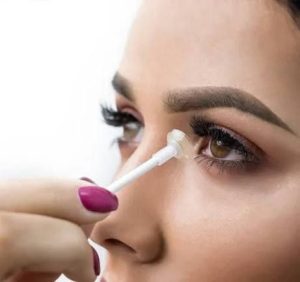
B – SCAN

A B-scan ultrasound πŸ‘€ is a diagnostic test that uses sound waves to create images of the eye’s internal structures, especially the posterior segment.

Key uses

  • Retinal detachment: Shows if the retina is detached or torn.
  • Vitreous hemorrhage: Visualizes blood in the vitreous.
  • Tumors: Helps identify and measure eye tumors.
  • Foreign bodies: Locates objects inside the eye.
  • Trauma assessment: Evaluates damage when the eye’s hard to examine.

How it works

  1. Probe placement: Gel is applied; the probe is placed on the eyelid (closed or open).
  2. Sound waves: Echoes bounce off structures, creating images.
  3. Interpretation: Images show structures like the retina, vitreous, and orbit.

Types of scans

  • Axial scan: Shows structures along the eye’s axis.
  • Longitudinal scan: Images are taken in different meridians.

Tips

  • Painless and non-invasive.
  • Coupling gel is used for better contact.
  • Results are immediate.

CONTACT LENS APPLICATOR

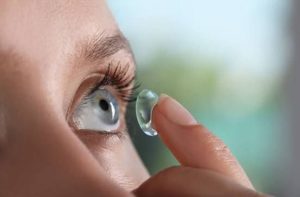
A contact lens applicator 😎 is a handy tool that helps you put in (and sometimes take out) contact lenses, especially if you’re a newbie or have dexterity issues. Types include:

  • Sucker/plucker: A small tool with a suction cup that grips the lens.
  • Finger-tip applicator: A guide that fits on your finger to help position the lens.

They’re super useful if:

  • You’re struggling to handle tiny lenses
  • You have arthritis or finger issues
  • You’re helping someone else with lenses (like kids)
RENU REWETTING DROP

Renu rewetting drops πŸ’§ are a great option for adding extra moisture to your contact lenses throughout the day. They’re designed to:

  • Relieve dryness and discomfort
  • Refresh and rehydrate lenses
  • Compatible with all soft contact lenses

Some key benefits:

  • Long-lasting relief: Helps keep lenses comfortable for hours
  • Easy to use: Just a few drops as needed
  • Travel-friendly: Compact and convenient

You can use Renu rewetting drops with your Renu multipurpose solution. They’re a great addition to your contact lens care routine!

MASKING CONTACT LENSES

Masking contact lenses (also called cosmetic or tinted lenses) are colored contacts used to change eye color or cover defects like corneal scars or irregularities.

Types:

  • Enhancement tints: Slight color to enhance natural eye color.
  • Opaque tints: Fully change eye color or cover abnormalities.
  • Prosthetic lenses: Specialized lenses for eyes with damage or disfigurement (e.g., after injury or to mask a scarred cornea).

Uses:

  • Cosmetic: Just to change how your eyes look.
  • Therapeutic: To help with light sensitivity (photophobia) or mask corneal scars.
  • Prosthetic: For eyes with irregularities to improve appearance.

They’re available with or without vision correction. Safety depends on proper fitting and hygiene β€” always get them from an eye care professional.

VIRAL CONJUNCTIVITIS

Viral keratitis = corneal infection caused by a virus (most often herpes simplex virus type 1). It’s a common cause of corneal inflammation and can lead to recurrent episodes.

Causes

  • Herpes simplex virus type 1 (HSV-1): Most common
  • Varicella-zoster virus (VZV): Shingles can affect the eye
  • Other viruses like adenovirus can cause keratitis too

Symptoms

  • Watery eyes
  • Eye pain or discomfort
  • Redness
  • Sensitivity to light (photophobia)
  • Blurred vision
  • Feeling of something in the eye
  • Sometimes tiny corneal ulcers or dendritic lesions (branching pattern)

Diagnosis

  • Slit-lamp exam: Look for typical dendritic ulcers with fluorescein stain
  • Viral PCR testing (corneal scraping) if needed

Treatment

  • Antivirals: Acyclovir ointment, ganciclovir gel, or oral antivirals for HSV
  • Steroids: May be used cautiously to reduce inflammation, but need monitoring
  • Supportive care: Lubricating eye drops for comfort

Complications

  • Recurrent episodes (HSV can hide in nerves and reactivate)
  • Corneal scarring β†’ vision loss
  • Stromal keratitis (deeper corneal inflammation)

Prevention

  • Good hand hygiene
  • Avoid touching or rubbing eyes
  • Antiviral prophylaxis may be used for recurrent cases

COPIOUS IRRIGATION

Copious irrigation is like giving your eye a superhero-level rinse! πŸšΏπŸ’¦ Here’s the deets:

What it is:

Flushing the eye with a large amount of sterile water or saline solution to remove irritants, chemicals, or foreign particles (like lash glue!).

How to do it:

  1. Use sterile water or saline: Lukewarm is best.
  2. Flush for 15-20 minutes: Keep the eye open and pour water/saline continuously.
  3. Tilt head: To the side, so the water runs out of the eye.
  4. Avoid rubbing: Gently keep the eye open.

When to do it:

  • After a lash extension accident
  • Chemical splash
  • Foreign object in the eye

Why it’s important:

  • Removes harmful substances
  • Reduces risk of damage or infection
  • Soothes irritation

DIAMOX

πŸ‘¨β€βš•οΈ Diamox (Acetazolamide) is a carbonic anhydrase inhibitor.

Uses:

  1. Glaucoma: Reduces intraocular pressure
  2. Edema: Treats fluid retention
  3. Altitude sickness: Prevents and treats symptoms
  4. Epilepsy: Adjunct therapy

Eye-related uses:

  1. Iocular pressure reduction: Glaucoma treatment
  2. Cystoid macular edema: Treats fluid buildup

Side effects:

  1. Numbness/tingling: Hands, feet, or face
  2. Dizziness: May affect daily activities
  3. Increased urination: Monitor hydration
COLLAGEN CROSS LINKING

πŸ‘¨β€βš•οΈ Collagen cross-linking is a treatment for keratoconus and corneal ectasia.

How it works:

  1. Riboflavin drops: Applied to cornea
  2. UV light: Activates riboflavin
  3. Cross-linking: Strengthens corneal tissue

Benefits:

  1. Stops progression: Prevents further thinning
  2. Improves vision: Stabilizes cornea
  3. Delays transplant: Alternative to surgery

Procedure:

  1. Remove epithelium: Optional
  2. Apply riboflavin: Soak cornea
  3. UV light exposure: 10-30 minutes
  4. Healing: Bandage lens or drops

Risks:

  1. Pain: Post-procedure discomfort
  2. Infection: Rare
  3. Haze: Temporary vision issue
CORNEA REPAIR

πŸ‘¨β€βš•οΈ Cornea repair refers to treatments for corneal damage or disease. Options include:

Methods:

  1. Corneal transplant: Replace damaged tissue
  2. Corneal graft: Transplant healthy tissue
  3. LASIK/PRK: Reshape cornea for vision correction
  4. Collagen cross-linking: Strengthen corneal tissue
  5. Amniotic membrane transplant: Promote healing

Indications:

  1. Corneal ulcers: Infection or injury
  2. Keratoconus: Progressive thinning
  3. Scarring: Visual impairment
  4. Injury: Trauma or chemical burns

Goals:

  1. Restore vision: Improve clarity
  2. Relieve pain: Manage symptoms
  3. Prevent complications: Infection or further damage
LISAMINE GREEN STAINING

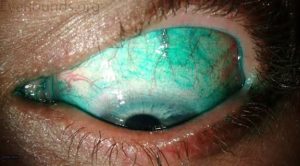
πŸ‘¨β€βš•οΈ Lissamine Green staining test assesses ocular surface damage, particularly conjunctival epithelial damage.

Procedure:

  1. Apply anesthetic drops (optional)
  2. Place Lissamine Green drops in eye
  3. Examine under white or blue light

Interpretation:

  • Staining pattern: Indicates damage location/severity
  • Scoring systems: Grade staining (e.g., Oxford scale)

Uses:

  1. Dry eye disease: Evaluates conjunctival staining
  2. Ocular surface disorders: Identifies damaged areas
  3. Conjunctival disorders: Assesses inflammation