Eagleview Eye Clinic

Tag eye exercises

PTERYGIUM EXCISION

Pterygium excision is a surgical procedure to remove a pterygium, a non-cancerous growth on the conjunctiva that can cause irritation, redness, and vision problems. Here’s what you need to know:

Why is it performed?

  • To restore vision by removing the growth
  • To improve cosmetic appearance
  • To relieve chronic irritation and inflammation

Surgical Techniques

  • Simple Excision: A basic method where the pterygium is removed, but it has a higher risk of recurrence (around 10%)
  • P.E.R.F.E.C.T Technique: A more advanced method involving extensive removal of Tenon’s capsule and a conjunctival transplant, with a lower recurrence rate (around 0.1%)
  • Conjunctival Autograft: A technique where a piece of healthy conjunctiva is transplanted to cover the area after pterygium removal
  • Amniotic Membrane Graft: A method using donated amniotic membrane tissue to cover the area after pterygium removal ¹ ²

What to Expect

  • The procedure usually takes less than an hour
  • Local anesthesia is used to numb the eye
  • Post-operative care includes eye drops to prevent infection and inflammation
  • Recovery time can take several weeks

Risks and Complications

  • Infection
  • Recurrence of the pterygium
  • Abnormal scarring
  • Inflammation and irritation

Benefits

  • Effective in removing the pterygium and reducing symptoms
  • Can improve vision and cosmetic appearance
  • Low risk of complications with proper care ³ ⁴
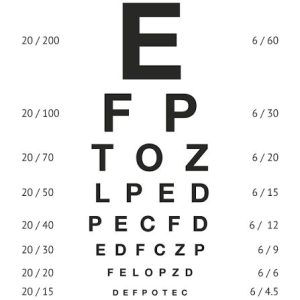
VISUAL ACUITY

Visual acuity refers to the sharpness and clarity of vision, measured by the ability to identify objects or patterns at a standard distance. It’s a crucial aspect of eye health and can be affected by various factors, including refractive errors, eye diseases, and age-related conditions.

Measurement of Visual Acuity

Visual acuity is typically measured using:

  • Snellen Chart: A standardized chart with letters or symbols of varying sizes, used to assess distance vision.
  • LogMAR Chart: A chart that measures visual acuity based on the logarithm of the minimum angle of resolution.

Factors Affecting Visual Acuity

  • Refractive Errors: Myopia (nearsightedness), hyperopia (farsightedness), and astigmatism can all impact visual acuity.
  • Eye Diseases: Conditions like cataracts, glaucoma, and age-related macular degeneration can affect visual acuity.
  • Age: Visual acuity can decline with age due to natural aging processes or age-related eye diseases.
  • Injuries or Trauma: Eye injuries or trauma can impact visual acuity.

Importance of Visual Acuity

  • Daily Activities: Visual acuity is essential for tasks like reading, driving, and recognizing faces.
  • Quality of Life: Good visual acuity can significantly impact overall quality of life and independence.
  • Early Detection: Regular eye exams can help detect visual acuity problems and underlying eye conditions, allowing for timely treatment and management.
VISUAL ACUITY

Visual acuity refers to the sharpness and clarity of vision, measured by the ability to identify objects or patterns at a standard distance. It’s a crucial aspect of eye health and can be affected by various factors, including refractive errors, eye diseases, and age-related conditions.

Measurement of Visual Acuity

Visual acuity is typically measured using:

  • Snellen Chart: A standardized chart with letters or symbols of varying sizes, used to assess distance vision.
  • LogMAR Chart: A chart that measures visual acuity based on the logarithm of the minimum angle of resolution.

Factors Affecting Visual Acuity

  • Refractive Errors: Myopia (nearsightedness), hyperopia (farsightedness), and astigmatism can all impact visual acuity.
  • Eye Diseases: Conditions like cataracts, glaucoma, and age-related macular degeneration can affect visual acuity.
  • Age: Visual acuity can decline with age due to natural aging processes or age-related eye diseases.
  • Injuries or Trauma: Eye injuries or trauma can impact visual acuity.

Importance of Visual Acuity

  • Daily Activities: Visual acuity is essential for tasks like reading, driving, and recognizing faces.
  • Quality of Life: Good visual acuity can significantly impact overall quality of life and independence.
  • Early Detection: Regular eye exams can help detect visual acuity problems and underlying eye conditions, allowing for timely treatment and management.
VISUAL ACUITY

Visual acuity refers to the sharpness and clarity of vision, measured by the ability to identify objects or patterns at a standard distance. It’s a crucial aspect of eye health and can be affected by various factors, including refractive errors, eye diseases, and age-related conditions.

Measurement of Visual Acuity

Visual acuity is typically measured using:

  • Snellen Chart: A standardized chart with letters or symbols of varying sizes, used to assess distance vision.
  • LogMAR Chart: A chart that measures visual acuity based on the logarithm of the minimum angle of resolution.

Factors Affecting Visual Acuity

  • Refractive Errors: Myopia (nearsightedness), hyperopia (farsightedness), and astigmatism can all impact visual acuity.
  • Eye Diseases: Conditions like cataracts, glaucoma, and age-related macular degeneration can affect visual acuity.
  • Age: Visual acuity can decline with age due to natural aging processes or age-related eye diseases.
  • Injuries or Trauma: Eye injuries or trauma can impact visual acuity.

Importance of Visual Acuity

  • Daily Activities: Visual acuity is essential for tasks like reading, driving, and recognizing faces.
  • Quality of Life: Good visual acuity can significantly impact overall quality of life and independence.
  • Early Detection: Regular eye exams can help detect visual acuity problems and underlying eye conditions, allowing for timely treatment and management.
VISUAL ACUITY

Visual acuity refers to the sharpness and clarity of vision, measured by the ability to identify objects or patterns at a standard distance. It’s a crucial aspect of eye health and can be affected by various factors, including refractive errors, eye diseases, and age-related conditions.

Measurement of Visual Acuity

Visual acuity is typically measured using:

  • Snellen Chart: A standardized chart with letters or symbols of varying sizes, used to assess distance vision.
  • LogMAR Chart: A chart that measures visual acuity based on the logarithm of the minimum angle of resolution.

Factors Affecting Visual Acuity

  • Refractive Errors: Myopia (nearsightedness), hyperopia (farsightedness), and astigmatism can all impact visual acuity.
  • Eye Diseases: Conditions like cataracts, glaucoma, and age-related macular degeneration can affect visual acuity.
  • Age: Visual acuity can decline with age due to natural aging processes or age-related eye diseases.
  • Injuries or Trauma: Eye injuries or trauma can impact visual acuity.

Importance of Visual Acuity

  • Daily Activities: Visual acuity is essential for tasks like reading, driving, and recognizing faces.
  • Quality of Life: Good visual acuity can significantly impact overall quality of life and independence.
  • Early Detection: Regular eye exams can help detect visual acuity problems and underlying eye conditions, allowing for timely treatment and management.
VISUAL ACUITY

Visual acuity refers to the sharpness and clarity of vision, measured by the ability to identify objects or patterns at a standard distance. It’s a crucial aspect of eye health and can be affected by various factors, including refractive errors, eye diseases, and age-related conditions.

Measurement of Visual Acuity

Visual acuity is typically measured using:

  • Snellen Chart: A standardized chart with letters or symbols of varying sizes, used to assess distance vision.
  • LogMAR Chart: A chart that measures visual acuity based on the logarithm of the minimum angle of resolution.

Factors Affecting Visual Acuity

  • Refractive Errors: Myopia (nearsightedness), hyperopia (farsightedness), and astigmatism can all impact visual acuity.
  • Eye Diseases: Conditions like cataracts, glaucoma, and age-related macular degeneration can affect visual acuity.
  • Age: Visual acuity can decline with age due to natural aging processes or age-related eye diseases.
  • Injuries or Trauma: Eye injuries or trauma can impact visual acuity.

Importance of Visual Acuity

  • Daily Activities: Visual acuity is essential for tasks like reading, driving, and recognizing faces.
  • Quality of Life: Good visual acuity can significantly impact overall quality of life and independence.
  • Early Detection: Regular eye exams can help detect visual acuity problems and underlying eye conditions, allowing for timely treatment and management.
ULTRA THIN LENSES.

Ultra-thin lenses are designed to provide the same functionality as traditional lenses but with a significantly reduced thickness. They’re ideal for individuals with strong prescriptions who want to maintain a stylish appearance without compromising on lens thickness.

Types of Ultra-Thin Lenses:

  • High-Index Lenses: These lenses have a higher refractive index, which allows them to bend light more efficiently, resulting in a thinner design. Examples include 1.74 high-index lenses and 1.76 high-index lenses.
  • Double-Sided Aspheric Lenses: These lenses feature a unique design that reduces distortion and warping, making them thinner and more aesthetically pleasing ¹ ² ³.

Benefits of Ultra-Thin Lenses:

  • Aesthetic Appeal: Ultra-thin lenses are more cosmetically appealing, reducing the “bug-eyed” effect associated with thick lenses.
  • Lightweight: Thinner lenses are lighter, making them more comfortable to wear.
  • Reduced Distortion: Advanced designs minimize distortion and warping, ensuring a clearer field of vision ¹ ².

Recommended For:

  • Strong Prescriptions: Individuals with high myopia or astigmatism can benefit from ultra-thin lenses.
  • Fashion-Conscious Individuals: Those who want stylish glasses without compromising on lens thickness.
  • Individuals with Active Lifestyles: Ultra-thin lenses can be more comfortable and durable ² ¹.

Innovations in Ultra-Thin Lenses:

  • Metalenses: Researchers have developed ultra-thin metalenses that can convert infrared light into visible light, opening up new possibilities for applications in security, authentication, and more ⁴ ⁵.
ULTRA THIN LENSES.

Ultra-thin lenses are designed to provide the same functionality as traditional lenses but with a significantly reduced thickness. They’re ideal for individuals with strong prescriptions who want to maintain a stylish appearance without compromising on lens thickness.

Types of Ultra-Thin Lenses:

  • High-Index Lenses: These lenses have a higher refractive index, which allows them to bend light more efficiently, resulting in a thinner design. Examples include 1.74 high-index lenses and 1.76 high-index lenses.
  • Double-Sided Aspheric Lenses: These lenses feature a unique design that reduces distortion and warping, making them thinner and more aesthetically pleasing ¹ ² ³.

Benefits of Ultra-Thin Lenses:

  • Aesthetic Appeal: Ultra-thin lenses are more cosmetically appealing, reducing the “bug-eyed” effect associated with thick lenses.
  • Lightweight: Thinner lenses are lighter, making them more comfortable to wear.
  • Reduced Distortion: Advanced designs minimize distortion and warping, ensuring a clearer field of vision ¹ ².

Recommended For:

  • Strong Prescriptions: Individuals with high myopia or astigmatism can benefit from ultra-thin lenses.
  • Fashion-Conscious Individuals: Those who want stylish glasses without compromising on lens thickness.
  • Individuals with Active Lifestyles: Ultra-thin lenses can be more comfortable and durable ² ¹.

Innovations in Ultra-Thin Lenses:

  • Metalenses: Researchers have developed ultra-thin metalenses that can convert infrared light into visible light, opening up new possibilities for applications in security, authentication, and more ⁴ ⁵.
ULTRA THIN LENSES.

Ultra-thin lenses are designed to provide the same functionality as traditional lenses but with a significantly reduced thickness. They’re ideal for individuals with strong prescriptions who want to maintain a stylish appearance without compromising on lens thickness.

Types of Ultra-Thin Lenses:

  • High-Index Lenses: These lenses have a higher refractive index, which allows them to bend light more efficiently, resulting in a thinner design. Examples include 1.74 high-index lenses and 1.76 high-index lenses.
  • Double-Sided Aspheric Lenses: These lenses feature a unique design that reduces distortion and warping, making them thinner and more aesthetically pleasing ¹ ² ³.

Benefits of Ultra-Thin Lenses:

  • Aesthetic Appeal: Ultra-thin lenses are more cosmetically appealing, reducing the “bug-eyed” effect associated with thick lenses.
  • Lightweight: Thinner lenses are lighter, making them more comfortable to wear.
  • Reduced Distortion: Advanced designs minimize distortion and warping, ensuring a clearer field of vision ¹ ².

Recommended For:

  • Strong Prescriptions: Individuals with high myopia or astigmatism can benefit from ultra-thin lenses.
  • Fashion-Conscious Individuals: Those who want stylish glasses without compromising on lens thickness.
  • Individuals with Active Lifestyles: Ultra-thin lenses can be more comfortable and durable ² ¹.

Innovations in Ultra-Thin Lenses:

  • Metalenses: Researchers have developed ultra-thin metalenses that can convert infrared light into visible light, opening up new possibilities for applications in security, authentication, and more ⁴ ⁵.
ULTRA THIN LENSES.

Ultra-thin lenses are designed to provide the same functionality as traditional lenses but with a significantly reduced thickness. They’re ideal for individuals with strong prescriptions who want to maintain a stylish appearance without compromising on lens thickness.

Types of Ultra-Thin Lenses:

  • High-Index Lenses: These lenses have a higher refractive index, which allows them to bend light more efficiently, resulting in a thinner design. Examples include 1.74 high-index lenses and 1.76 high-index lenses.
  • Double-Sided Aspheric Lenses: These lenses feature a unique design that reduces distortion and warping, making them thinner and more aesthetically pleasing ¹ ² ³.

Benefits of Ultra-Thin Lenses:

  • Aesthetic Appeal: Ultra-thin lenses are more cosmetically appealing, reducing the “bug-eyed” effect associated with thick lenses.
  • Lightweight: Thinner lenses are lighter, making them more comfortable to wear.
  • Reduced Distortion: Advanced designs minimize distortion and warping, ensuring a clearer field of vision ¹ ².

Recommended For:

  • Strong Prescriptions: Individuals with high myopia or astigmatism can benefit from ultra-thin lenses.
  • Fashion-Conscious Individuals: Those who want stylish glasses without compromising on lens thickness.
  • Individuals with Active Lifestyles: Ultra-thin lenses can be more comfortable and durable ² ¹.

Innovations in Ultra-Thin Lenses:

  • Metalenses: Researchers have developed ultra-thin metalenses that can convert infrared light into visible light, opening up new possibilities for applications in security, authentication, and more ⁴ ⁵.