Blepharoplasty is a surgical procedure to improve the appearance of the eyelids, addressing concerns such as:
Excess skin: Removing sagging skin around the eyes.
Fat deposits: Reducing puffiness or bags under the eyes.
Muscle relaxation: Tightening muscles for a more youthful look.
The procedure can be performed on the upper eyelids, lower eyelids, or both, and can be tailored to individual needs.
Benefits include:
Improved appearance: Reduced signs of aging.
Enhanced vision: Removing excess skin that obstructs vision.
Boosted confidence: Feeling more refreshed and youthful.
If you’re considering blepharoplasty, consult with an experienced surgeon to discuss your options and determine the best approach for your individual needs.
Blepharoplasty is a surgical procedure to improve the appearance of the eyelids, addressing concerns such as:
Excess skin: Removing sagging skin around the eyes.
Fat deposits: Reducing puffiness or bags under the eyes.
Muscle relaxation: Tightening muscles for a more youthful look.
The procedure can be performed on the upper eyelids, lower eyelids, or both, and can be tailored to individual needs.
Benefits include:
Improved appearance: Reduced signs of aging.
Enhanced vision: Removing excess skin that obstructs vision.
Boosted confidence: Feeling more refreshed and youthful.
If you’re considering blepharoplasty, consult with an experienced surgeon to discuss your options and determine the best approach for your individual needs.
Blepharoplasty is a surgical procedure to improve the appearance of the eyelids, addressing concerns such as:
Excess skin: Removing sagging skin around the eyes.
Fat deposits: Reducing puffiness or bags under the eyes.
Muscle relaxation: Tightening muscles for a more youthful look.
The procedure can be performed on the upper eyelids, lower eyelids, or both, and can be tailored to individual needs.
Benefits include:
Improved appearance: Reduced signs of aging.
Enhanced vision: Removing excess skin that obstructs vision.
Boosted confidence: Feeling more refreshed and youthful.
If you’re considering blepharoplasty, consult with an experienced surgeon to discuss your options and determine the best approach for your individual needs.
Blepharoplasty is a surgical procedure to improve the appearance of the eyelids, addressing concerns such as:
Excess skin: Removing sagging skin around the eyes.
Fat deposits: Reducing puffiness or bags under the eyes.
Muscle relaxation: Tightening muscles for a more youthful look.
The procedure can be performed on the upper eyelids, lower eyelids, or both, and can be tailored to individual needs.
Benefits include:
Improved appearance: Reduced signs of aging.
Enhanced vision: Removing excess skin that obstructs vision.
Boosted confidence: Feeling more refreshed and youthful.
If you’re considering blepharoplasty, consult with an experienced surgeon to discuss your options and determine the best approach for your individual needs.
Oculoplastic surgery is a subspecialty of ophthalmology that focuses on reconstructive and cosmetic procedures for the eyelids, orbit, and lacrimal system.
Some common procedures include:
Blepharoplasty (eyelid surgery)
Ptosis repair (droopy eyelid correction)
Orbital tumor removal
Eyelid reconstruction
Tear duct surgery
Oculoplastic surgeons often work with patients who have conditions such as:
Eyelid malpositions
Orbital trauma
Tumors
Congenital abnormalities
If you’re considering oculoplastic surgery, consult with an experienced oculoplastic surgeon to discuss your options and determine the best course of treatment.
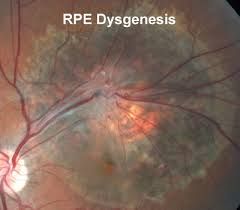
RPE dysgenesis refers to abnormalities in the development of the Retinal Pigment Epithelium (RPE), a layer of cells crucial for photoreceptor health and vision.
RPE dysgenesis can lead to various eye conditions, including:
Retinal dystrophies: Inherited disorders affecting the retina.
Vision impairment: Potential loss of vision due to RPE dysfunction.
If you or someone you know is affected, consulting an eye care professional or a genetic specialist can provide personalized guidance and treatment options.
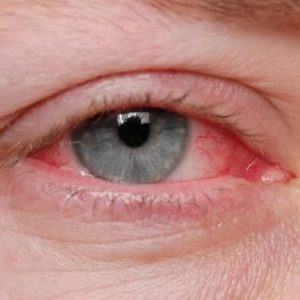
Irritant conjunctivitis is an inflammation of the conjunctiva (the thin membrane covering the white part of the eye and inside of the eyelids) caused by:
Exposure to irritants like chemicals, smoke, or dust
Allergens or foreign substances
Symptoms
Redness: Pink or red eyes
Itching or burning: Discomfort in the eyes
Discharge: Watery or sticky discharge
Sensitivity to light: Photophobia
Treatment
Avoid irritants: Remove or minimize exposure
Flush eyes: With water or saline solution
Artificial tears: To lubricate and soothe
Cool compresses: To reduce discomfort
If symptoms persist or worsen, consult an eye care professional for proper diagnosis and treatment.
Irritant conjunctivitis is an inflammation of the conjunctiva (the thin membrane covering the white part of the eye and inside of the eyelids) caused by:
Exposure to irritants like chemicals, smoke, or dust
Allergens or foreign substances
Symptoms
Redness: Pink or red eyes
Itching or burning: Discomfort in the eyes
Discharge: Watery or sticky discharge
Sensitivity to light: Photophobia
Treatment
Avoid irritants: Remove or minimize exposure
Flush eyes: With water or saline solution
Artificial tears: To lubricate and soothe
Cool compresses: To reduce discomfort
If symptoms persist or worsen, consult an eye care professional for proper diagnosis and treatment.
Lifestyle practices are daily life actions that we engage in daily.
Some lifestyle practices are good and are beneficial to the eyes and the reverse of these good practices poses serious threat to the eyes.
The following are some lifestyle practices and how they affect the eyes:
1. WEARING PROTECTIVE GOGGLES WHILE AT WORK: If you work in a production factory or a chemical laboratory/factory, wearing protective goggles will help protect your eyes from workspace accidents like flying objects getting into the eyes, chemicals and fumes entering the eyes and causing issues for your eyes.
If you are an outdoor worker, that spends Time outside under the sun, a pair of photo AR will go a long way in preventing issues like cataract, pterygium and Age related macular degeneration
If you spend time working on your computer, getting a pair of bluecut glasses will go a long way in protecting your eyes from blue light from your devices.
2. EXERCISING: By Exercising regularly, your body will be able to fight against diseases like diabetes, hypertension and obesity.
Once you are able to fight against these conditions your chances of coming down diseases like diabetic retinopathy and hypertensive retinopathy.
These conditions have been known to cause blindness.
3. SMOKING: smoking regularly can actually put you at a risk of cataracts and macula degeneration. Instead of smoking yourself to blindness and then start looking for help all around, why don’t you just avoid smoking altogether? Think about it.
4. SELF – MEDICATION: By using medications (eyedrops and tablets) without doctor’s recommendation, you will actually be putting your eyes and life at risk. The damages self – medication can cause are enormous and most times irreversible.
5. NOT CHECKING YOUR EYES REGULARLY: Not checking your eyes regularly or avoiding visiting the hospital altogether when you are have eye issues is a lifestyle practice that have caused so many their eyes eventually.
By not checking your eyes regularly, you tend to Miss certain conditions that could have been treated in their early stage until it’s impossible to treat.