Eagleview Eye Clinic
LEBER CONGENITAL AMAUROSIS

Leber congenital amaurosis (LCA) is a rare, inherited retinal disorder present at birth or early infancy, causing severe vision loss.

  • Genetics: Autosomal recessive, with mutations in genes like RPE65, CEP290, GUCY2D.
  • Symptoms: Profound visual impairment, nystagmus (involuntary eye movement), sluggish or absent pupillary response, and often β€œ Franceschetti’s oculodigital sign” (eye poking).
  • Pathology: Disrupts photoreceptor function in the retina, stopping light from being processed into vision.
  • Diagnosis: Clinical exam, electroretinography (ERG shows little/no response), and genetic testing.
  • Treatment: No cure yet, but gene therapy (e.g., Luxturna for RPE65 mutations) has shown promise. Low-vision aids, mobility training, and early intervention help quality of life.
CORNEA NEOVASCULARIZATION

πŸ‘“ Corneal neovascularization is the growth of new blood vessels into the cornea, typically as a response to injury, infection, or hypoxia.

  • Causes: Contact lens wear, infections (e.g., herpes simplex keratitis), trauma, or inflammation.
  • Effects: Can lead to vision impairment, scarring, or lipid deposition.
  • Symptoms: May cause redness, discomfort, or vision changes.
  • Management: Treats underlying cause, steroids, or anti-VEGF therapy in some cases.

CORNEA DELLEN

πŸ‘“ Corneal dellen (or dellen) refers to a localized thinning or depression in the peripheral cornea.

  • Causes: Often due to localized dehydration or inflammation, sometimes related to:
    • Contact lens use
    • Surgery or trauma
    • Adjacent lesions (e.g., pterygium)
  • Symptoms: May cause discomfort, irritation, or blurred vision.
  • Management: Often resolves with lubrication, discontinuing contact lens use, or treating underlying causes.

MORNING GLORY SYNDROME

πŸ‘“ Morning glory syndrome is a rare congenital eye anomaly characterized by an abnormal optic disc.

  • Appearance: The optic disc looks like a morning glory flower, with a funnel-shaped excavation and radial retinal vessels.
  • Associated risks: Potential vision problems, retinal detachment, and other eye issues.
  • Causes: Congenital, possibly related to abnormal fetal development.
  • Management: Regular eye exams, monitoring for complications.
AIR PUFF TONOMETER

πŸ‘“ The air puff tonometer is a non-contact device that measures intraocular pressure (IOP) by blowing a quick puff of air onto the cornea.

  • How it works: The device measures the corneal deformation caused by the air puff.
  • Advantages: No direct contact with the eye, reducing infection risk.
  • Common use: Often used for glaucoma screening and routine eye exams.
  • Considerations: Can be less accurate than contact tonometers (e.g., Goldmann).

PERKINS TONOMETER

πŸ‘“ The Perkins tonometer is a handheld, portable device used to measure intraocular pressure (IOP).

  • Type: Applanation tonometer, similar to Goldmann tonometer.
  • Use: Commonly used in ophthalmology and optometry for glaucoma screening and monitoring.
  • How it works: Uses a small probe to gently touch the cornea, measuring IOP.
  • Advantages: Portable, easy to use, and provides accurate readings.

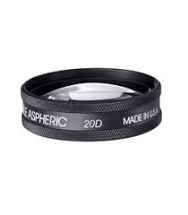
20D LENS

πŸ‘“ Here’s more on a 20D lens:

  • Magnification: A +20D lens provides approximately 20x magnification.
  • Field of view: Offers a relatively wide field, useful for examining the retina.
  • Use: Commonly used in ophthalmology for:
    • Indirect ophthalmoscopy (with a slit lamp or head-mounted scope).
    • Examining the posterior segment (retina, macula, etc.).
  • Type: Typically a handheld, convex lens made of glass or acrylic.
  • Working distance: Around 5 cm (2 inches) from the patient’s eye.
BIFOCAL IOL

πŸ‘“ Bifocal IOLs (Intraocular Lenses) are a type of lens implant used in cataract surgery to help restore vision at multiple distances. They’re designed to reduce dependence on glasses or contacts.

  • How they work: Bifocal IOLs have different zones for near and distance vision, allowing for clearer vision at multiple distances.
  • Types: Some common types include diffractive (e.g., Alcon ReSTOR) and refractive (e.g., AMO Array) lenses.
  • Benefits: Reduced need for glasses, improved vision at various distances.
  • Considerations: Potential for halos, glare, or decreased contrast sensitivity.

MONOFOCAL IOL

A monofocal IOL πŸ‘€ is a type of intraocular lens that focuses at one distance (near, intermediate, or far).

Key things

  • Single focus point: Usually set for distance vision (you’d use glasses for near tasks like reading).
  • Less dependence on glasses if monovision approach is used (e.g., one eye for distance, one for near).
  • Common and reliable: Predictable outcomes, often covered by insurance.

Pros

  • Sharp vision at chosen distance.
  • Lower risk of visual side effects (e.g., halos, glare) vs multifocal IOLs.

Cons

  • Glasses needed for other distances (unless monovision).
  • Less flexibility compared to multifocal/accommodating IOLs.

INTRAOCULAR LENS

An intraocular lens (IOL) πŸ‘“ is an artificial lens implanted in the eye to replace the natural lens, usually during cataract surgery or refractive lens exchange.

Types

  • Monofocal IOLs: Focus at one distance (near, intermediate, or far).
  • Multifocal IOLs: Allow focus at multiple distances (e.g., near and far).
  • Accommodating IOLs: Move with eye muscles to focus.
  • Toric IOLs: Correct astigmatism.

Benefits

  • Vision restoration: Improves clarity after cataract removal.
  • Reduced dependence on glasses: Depending on IOL type.
  • Customizable: Chosen based on lifestyle and needs.