Eagleview Eye Clinic

Tag eye health

VISUAL ACUITY

Visual acuity refers to the sharpness and clarity of vision, measured by the ability to identify objects or patterns at a standard distance. It’s a crucial aspect of eye health and can be affected by various factors, including refractive errors, eye diseases, and age-related conditions.

Measurement of Visual Acuity

Visual acuity is typically measured using:

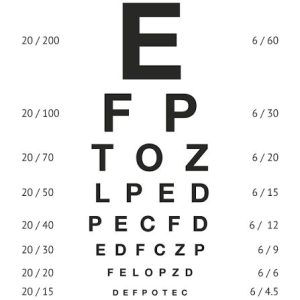
  • Snellen Chart: A standardized chart with letters or symbols of varying sizes, used to assess distance vision.
  • LogMAR Chart: A chart that measures visual acuity based on the logarithm of the minimum angle of resolution.

Factors Affecting Visual Acuity

  • Refractive Errors: Myopia (nearsightedness), hyperopia (farsightedness), and astigmatism can all impact visual acuity.
  • Eye Diseases: Conditions like cataracts, glaucoma, and age-related macular degeneration can affect visual acuity.
  • Age: Visual acuity can decline with age due to natural aging processes or age-related eye diseases.
  • Injuries or Trauma: Eye injuries or trauma can impact visual acuity.

Importance of Visual Acuity

  • Daily Activities: Visual acuity is essential for tasks like reading, driving, and recognizing faces.
  • Quality of Life: Good visual acuity can significantly impact overall quality of life and independence.
  • Early Detection: Regular eye exams can help detect visual acuity problems and underlying eye conditions, allowing for timely treatment and management.
VISUAL ACUITY

Visual acuity refers to the sharpness and clarity of vision, measured by the ability to identify objects or patterns at a standard distance. It’s a crucial aspect of eye health and can be affected by various factors, including refractive errors, eye diseases, and age-related conditions.

Measurement of Visual Acuity

Visual acuity is typically measured using:

  • Snellen Chart: A standardized chart with letters or symbols of varying sizes, used to assess distance vision.
  • LogMAR Chart: A chart that measures visual acuity based on the logarithm of the minimum angle of resolution.

Factors Affecting Visual Acuity

  • Refractive Errors: Myopia (nearsightedness), hyperopia (farsightedness), and astigmatism can all impact visual acuity.
  • Eye Diseases: Conditions like cataracts, glaucoma, and age-related macular degeneration can affect visual acuity.
  • Age: Visual acuity can decline with age due to natural aging processes or age-related eye diseases.
  • Injuries or Trauma: Eye injuries or trauma can impact visual acuity.

Importance of Visual Acuity

  • Daily Activities: Visual acuity is essential for tasks like reading, driving, and recognizing faces.
  • Quality of Life: Good visual acuity can significantly impact overall quality of life and independence.
  • Early Detection: Regular eye exams can help detect visual acuity problems and underlying eye conditions, allowing for timely treatment and management.
VISUAL ACUITY

Visual acuity refers to the sharpness and clarity of vision, measured by the ability to identify objects or patterns at a standard distance. It’s a crucial aspect of eye health and can be affected by various factors, including refractive errors, eye diseases, and age-related conditions.

Measurement of Visual Acuity

Visual acuity is typically measured using:

  • Snellen Chart: A standardized chart with letters or symbols of varying sizes, used to assess distance vision.
  • LogMAR Chart: A chart that measures visual acuity based on the logarithm of the minimum angle of resolution.

Factors Affecting Visual Acuity

  • Refractive Errors: Myopia (nearsightedness), hyperopia (farsightedness), and astigmatism can all impact visual acuity.
  • Eye Diseases: Conditions like cataracts, glaucoma, and age-related macular degeneration can affect visual acuity.
  • Age: Visual acuity can decline with age due to natural aging processes or age-related eye diseases.
  • Injuries or Trauma: Eye injuries or trauma can impact visual acuity.

Importance of Visual Acuity

  • Daily Activities: Visual acuity is essential for tasks like reading, driving, and recognizing faces.
  • Quality of Life: Good visual acuity can significantly impact overall quality of life and independence.
  • Early Detection: Regular eye exams can help detect visual acuity problems and underlying eye conditions, allowing for timely treatment and management.
VISUAL ACUITY

Visual acuity refers to the sharpness and clarity of vision, measured by the ability to identify objects or patterns at a standard distance. It’s a crucial aspect of eye health and can be affected by various factors, including refractive errors, eye diseases, and age-related conditions.

Measurement of Visual Acuity

Visual acuity is typically measured using:

  • Snellen Chart: A standardized chart with letters or symbols of varying sizes, used to assess distance vision.
  • LogMAR Chart: A chart that measures visual acuity based on the logarithm of the minimum angle of resolution.

Factors Affecting Visual Acuity

  • Refractive Errors: Myopia (nearsightedness), hyperopia (farsightedness), and astigmatism can all impact visual acuity.
  • Eye Diseases: Conditions like cataracts, glaucoma, and age-related macular degeneration can affect visual acuity.
  • Age: Visual acuity can decline with age due to natural aging processes or age-related eye diseases.
  • Injuries or Trauma: Eye injuries or trauma can impact visual acuity.

Importance of Visual Acuity

  • Daily Activities: Visual acuity is essential for tasks like reading, driving, and recognizing faces.
  • Quality of Life: Good visual acuity can significantly impact overall quality of life and independence.
  • Early Detection: Regular eye exams can help detect visual acuity problems and underlying eye conditions, allowing for timely treatment and management.
VISUAL ACUITY

Visual acuity refers to the sharpness and clarity of vision, measured by the ability to identify objects or patterns at a standard distance. It’s a crucial aspect of eye health and can be affected by various factors, including refractive errors, eye diseases, and age-related conditions.

Measurement of Visual Acuity

Visual acuity is typically measured using:

  • Snellen Chart: A standardized chart with letters or symbols of varying sizes, used to assess distance vision.
  • LogMAR Chart: A chart that measures visual acuity based on the logarithm of the minimum angle of resolution.

Factors Affecting Visual Acuity

  • Refractive Errors: Myopia (nearsightedness), hyperopia (farsightedness), and astigmatism can all impact visual acuity.
  • Eye Diseases: Conditions like cataracts, glaucoma, and age-related macular degeneration can affect visual acuity.
  • Age: Visual acuity can decline with age due to natural aging processes or age-related eye diseases.
  • Injuries or Trauma: Eye injuries or trauma can impact visual acuity.

Importance of Visual Acuity

  • Daily Activities: Visual acuity is essential for tasks like reading, driving, and recognizing faces.
  • Quality of Life: Good visual acuity can significantly impact overall quality of life and independence.
  • Early Detection: Regular eye exams can help detect visual acuity problems and underlying eye conditions, allowing for timely treatment and management.
IMPACT OF GLAUCOMA ON THE QUALITY OF LIFE

Glaucoma significantly impacts the quality of life for those affected. Studies have shown that people with glaucoma experience ¹ ²:

  • Reduced Mobility: 60% of participants in one study couldn’t drive due to glaucoma-related vision loss, while others reported difficulty noticing things while walking or sitting in one place.
  • Emotional Distress: The psychosocial impact of glaucoma can lead to feelings of dependency and being a burden on family members, greatly affecting mental health.
  • Daily Activity Limitations: Patients experience difficulty reading, recognizing faces, and performing daily tasks due to progressive vision loss.
  • Poor General and Vision-Related Quality of Life: Monocular glaucoma patients have lower overall quality of life scores, with depression being a common comorbidity.
  • Financial Burden: Glaucoma patients, especially those in middle to low-income countries, may experience reduced monthly earnings due to limited mobility and job opportunities.

Factors Affecting Quality of Life:

  • Visual Acuity: The severity of vision loss directly impacts quality of life.
  • Female Gender: Women may experience a greater impact on their quality of life due to glaucoma.
  • Treatment Regimens: Surgical treatment and number of topical medications can negatively impact vision-related quality of life ² ³ ⁴.

Support and Resources:

  • Social welfare and psycho-social institutions can provide essential support for glaucoma patients.
  • Access to proper medical care, rehabilitation services, and counseling can help mitigate the impact of glaucoma on quality of life ¹.
IMPACT OF GLAUCOMA ON THE QUALITY OF LIFE

Glaucoma significantly impacts the quality of life for those affected. Studies have shown that people with glaucoma experience ¹ ²:

  • Reduced Mobility: 60% of participants in one study couldn’t drive due to glaucoma-related vision loss, while others reported difficulty noticing things while walking or sitting in one place.
  • Emotional Distress: The psychosocial impact of glaucoma can lead to feelings of dependency and being a burden on family members, greatly affecting mental health.
  • Daily Activity Limitations: Patients experience difficulty reading, recognizing faces, and performing daily tasks due to progressive vision loss.
  • Poor General and Vision-Related Quality of Life: Monocular glaucoma patients have lower overall quality of life scores, with depression being a common comorbidity.
  • Financial Burden: Glaucoma patients, especially those in middle to low-income countries, may experience reduced monthly earnings due to limited mobility and job opportunities.

Factors Affecting Quality of Life:

  • Visual Acuity: The severity of vision loss directly impacts quality of life.
  • Female Gender: Women may experience a greater impact on their quality of life due to glaucoma.
  • Treatment Regimens: Surgical treatment and number of topical medications can negatively impact vision-related quality of life ² ³ ⁴.

Support and Resources:

  • Social welfare and psycho-social institutions can provide essential support for glaucoma patients.
  • Access to proper medical care, rehabilitation services, and counseling can help mitigate the impact of glaucoma on quality of life ¹.
IMPACT OF GLAUCOMA ON THE QUALITY OF LIFE

Glaucoma significantly impacts the quality of life for those affected. Studies have shown that people with glaucoma experience ¹ ²:

  • Reduced Mobility: 60% of participants in one study couldn’t drive due to glaucoma-related vision loss, while others reported difficulty noticing things while walking or sitting in one place.
  • Emotional Distress: The psychosocial impact of glaucoma can lead to feelings of dependency and being a burden on family members, greatly affecting mental health.
  • Daily Activity Limitations: Patients experience difficulty reading, recognizing faces, and performing daily tasks due to progressive vision loss.
  • Poor General and Vision-Related Quality of Life: Monocular glaucoma patients have lower overall quality of life scores, with depression being a common comorbidity.
  • Financial Burden: Glaucoma patients, especially those in middle to low-income countries, may experience reduced monthly earnings due to limited mobility and job opportunities.

Factors Affecting Quality of Life:

  • Visual Acuity: The severity of vision loss directly impacts quality of life.
  • Female Gender: Women may experience a greater impact on their quality of life due to glaucoma.
  • Treatment Regimens: Surgical treatment and number of topical medications can negatively impact vision-related quality of life ² ³ ⁴.

Support and Resources:

  • Social welfare and psycho-social institutions can provide essential support for glaucoma patients.
  • Access to proper medical care, rehabilitation services, and counseling can help mitigate the impact of glaucoma on quality of life ¹.
IMPACT OF GLAUCOMA ON THE QUALITY OF LIFE

Glaucoma significantly impacts the quality of life for those affected. Studies have shown that people with glaucoma experience ¹ ²:

  • Reduced Mobility: 60% of participants in one study couldn’t drive due to glaucoma-related vision loss, while others reported difficulty noticing things while walking or sitting in one place.
  • Emotional Distress: The psychosocial impact of glaucoma can lead to feelings of dependency and being a burden on family members, greatly affecting mental health.
  • Daily Activity Limitations: Patients experience difficulty reading, recognizing faces, and performing daily tasks due to progressive vision loss.
  • Poor General and Vision-Related Quality of Life: Monocular glaucoma patients have lower overall quality of life scores, with depression being a common comorbidity.
  • Financial Burden: Glaucoma patients, especially those in middle to low-income countries, may experience reduced monthly earnings due to limited mobility and job opportunities.

Factors Affecting Quality of Life:

  • Visual Acuity: The severity of vision loss directly impacts quality of life.
  • Female Gender: Women may experience a greater impact on their quality of life due to glaucoma.
  • Treatment Regimens: Surgical treatment and number of topical medications can negatively impact vision-related quality of life ² ³ ⁴.

Support and Resources:

  • Social welfare and psycho-social institutions can provide essential support for glaucoma patients.
  • Access to proper medical care, rehabilitation services, and counseling can help mitigate the impact of glaucoma on quality of life ¹.
IMPACT OF GLAUCOMA ON THE QUALITY OF LIFE

Glaucoma significantly impacts the quality of life for those affected. Studies have shown that people with glaucoma experience ¹ ²:

  • Reduced Mobility: 60% of participants in one study couldn’t drive due to glaucoma-related vision loss, while others reported difficulty noticing things while walking or sitting in one place.
  • Emotional Distress: The psychosocial impact of glaucoma can lead to feelings of dependency and being a burden on family members, greatly affecting mental health.
  • Daily Activity Limitations: Patients experience difficulty reading, recognizing faces, and performing daily tasks due to progressive vision loss.
  • Poor General and Vision-Related Quality of Life: Monocular glaucoma patients have lower overall quality of life scores, with depression being a common comorbidity.
  • Financial Burden: Glaucoma patients, especially those in middle to low-income countries, may experience reduced monthly earnings due to limited mobility and job opportunities.

Factors Affecting Quality of Life:

  • Visual Acuity: The severity of vision loss directly impacts quality of life.
  • Female Gender: Women may experience a greater impact on their quality of life due to glaucoma.
  • Treatment Regimens: Surgical treatment and number of topical medications can negatively impact vision-related quality of life ² ³ ⁴.

Support and Resources:

  • Social welfare and psycho-social institutions can provide essential support for glaucoma patients.
  • Access to proper medical care, rehabilitation services, and counseling can help mitigate the impact of glaucoma on quality of life ¹.