Eagleview Eye Clinic

Tag eye health

TEAR DUCT SURGERY

Tear duct surgery, also known as dacryocystorhinostomy (DCR), is a procedure to:

  1. Restore tear drainage: Creating a new pathway for tears to flow from the eye into the nasal cavity.
  2. Relieve blockages: Clearing blockages in the tear ducts.

The surgery can be performed:

  1. Externally: Through a small incision on the side of the nose.
  2. Endoscopically: Through the nose using a small camera and instruments.

Tear duct surgery can help alleviate symptoms such as:

  1. Excessive tearing
  2. Eye irritation
  3. Recurrent infections

If you’re experiencing tear duct issues, consult with an optometrist or oculoplastic surgeon to determine the best course of treatment.
BLEPHAROPLASTY

Blepharoplasty is a surgical procedure to improve the appearance of the eyelids, addressing concerns such as:

  1. Excess skin: Removing sagging skin around the eyes.
  2. Fat deposits: Reducing puffiness or bags under the eyes.
  3. Muscle relaxation: Tightening muscles for a more youthful look.

The procedure can be performed on the upper eyelids, lower eyelids, or both, and can be tailored to individual needs.

Benefits include:

  1. Improved appearance: Reduced signs of aging.
  2. Enhanced vision: Removing excess skin that obstructs vision.
  3. Boosted confidence: Feeling more refreshed and youthful.

If you’re considering blepharoplasty, consult with an experienced surgeon to discuss your options and determine the best approach for your individual needs.

BLEPHAROPLASTY

Blepharoplasty is a surgical procedure to improve the appearance of the eyelids, addressing concerns such as:

  1. Excess skin: Removing sagging skin around the eyes.
  2. Fat deposits: Reducing puffiness or bags under the eyes.
  3. Muscle relaxation: Tightening muscles for a more youthful look.

The procedure can be performed on the upper eyelids, lower eyelids, or both, and can be tailored to individual needs.

Benefits include:

  1. Improved appearance: Reduced signs of aging.
  2. Enhanced vision: Removing excess skin that obstructs vision.
  3. Boosted confidence: Feeling more refreshed and youthful.

If you’re considering blepharoplasty, consult with an experienced surgeon to discuss your options and determine the best approach for your individual needs.

BLEPHAROPLASTY

Blepharoplasty is a surgical procedure to improve the appearance of the eyelids, addressing concerns such as:

  1. Excess skin: Removing sagging skin around the eyes.
  2. Fat deposits: Reducing puffiness or bags under the eyes.
  3. Muscle relaxation: Tightening muscles for a more youthful look.

The procedure can be performed on the upper eyelids, lower eyelids, or both, and can be tailored to individual needs.

Benefits include:

  1. Improved appearance: Reduced signs of aging.
  2. Enhanced vision: Removing excess skin that obstructs vision.
  3. Boosted confidence: Feeling more refreshed and youthful.

If you’re considering blepharoplasty, consult with an experienced surgeon to discuss your options and determine the best approach for your individual needs.

BLEPHAROPLASTY

Blepharoplasty is a surgical procedure to improve the appearance of the eyelids, addressing concerns such as:

  1. Excess skin: Removing sagging skin around the eyes.
  2. Fat deposits: Reducing puffiness or bags under the eyes.
  3. Muscle relaxation: Tightening muscles for a more youthful look.

The procedure can be performed on the upper eyelids, lower eyelids, or both, and can be tailored to individual needs.

Benefits include:

  1. Improved appearance: Reduced signs of aging.
  2. Enhanced vision: Removing excess skin that obstructs vision.
  3. Boosted confidence: Feeling more refreshed and youthful.

If you’re considering blepharoplasty, consult with an experienced surgeon to discuss your options and determine the best approach for your individual needs.

OCULOPLASTIC SURGERY

Oculoplastic surgery is a subspecialty of ophthalmology that focuses on reconstructive and cosmetic procedures for the eyelids, orbit, and lacrimal system.

Some common procedures include:

  1. Blepharoplasty (eyelid surgery)
  2. Ptosis repair (droopy eyelid correction)
  3. Orbital tumor removal
  4. Eyelid reconstruction
  5. Tear duct surgery

Oculoplastic surgeons often work with patients who have conditions such as:

  1. Eyelid malpositions
  2. Orbital trauma
  3. Tumors
  4. Congenital abnormalities

If you’re considering oculoplastic surgery, consult with an experienced oculoplastic surgeon to discuss your options and determine the best course of treatment.
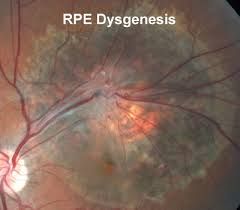
RPE DYSGENESIS

RPE dysgenesis refers to abnormalities in the development of the Retinal Pigment Epithelium (RPE), a layer of cells crucial for photoreceptor health and vision.

RPE dysgenesis can lead to various eye conditions, including:

  1. Retinal dystrophies: Inherited disorders affecting the retina.
  2. Vision impairment: Potential loss of vision due to RPE dysfunction.

If you or someone you know is affected, consulting an eye care professional or a genetic specialist can provide personalized guidance and treatment options.

POLYCORIA

Irritant Conjunctivitis

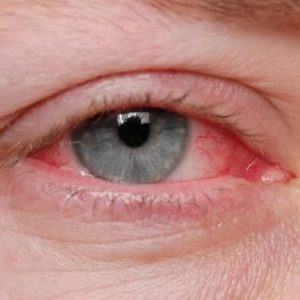
Irritant conjunctivitis is an inflammation of the conjunctiva (the thin membrane covering the white part of the eye and inside of the eyelids) caused by:

  • Exposure to irritants like chemicals, smoke, or dust
  • Allergens or foreign substances

Symptoms

  1. Redness: Pink or red eyes
  2. Itching or burning: Discomfort in the eyes
  3. Discharge: Watery or sticky discharge
  4. Sensitivity to light: Photophobia

Treatment

  1. Avoid irritants: Remove or minimize exposure
  2. Flush eyes: With water or saline solution
  3. Artificial tears: To lubricate and soothe
  4. Cool compresses: To reduce discomfort

If symptoms persist or worsen, consult an eye care professional for proper diagnosis and treatment.

IRRITANT CONJUNCTIVITIS

Irritant Conjunctivitis

Irritant conjunctivitis is an inflammation of the conjunctiva (the thin membrane covering the white part of the eye and inside of the eyelids) caused by:

  • Exposure to irritants like chemicals, smoke, or dust
  • Allergens or foreign substances

Symptoms

  1. Redness: Pink or red eyes
  2. Itching or burning: Discomfort in the eyes
  3. Discharge: Watery or sticky discharge
  4. Sensitivity to light: Photophobia

Treatment

  1. Avoid irritants: Remove or minimize exposure
  2. Flush eyes: With water or saline solution
  3. Artificial tears: To lubricate and soothe
  4. Cool compresses: To reduce discomfort

If symptoms persist or worsen, consult an eye care professional for proper diagnosis and treatment.

MEIBOMIAN GLAND DYSFUNCTION

Meibomian Gland Dysfunction (MGD)

Meibomian gland dysfunction is a common condition where:

  • The meibomian glands in the eyelids become blocked or inflamed
  • This disrupts the production of healthy tears

Symptoms

  1. Dry eye: Irritation, grittiness, or burning sensation
  2. Blurred vision: Temporary vision disturbances
  3. Redness: Inflammation of the eyelids

Treatment

  1. Warm compresses: To loosen blockages
  2. Eyelid hygiene: Regular cleaning
  3. Artificial tears: To lubricate the eyes
  4. Medications: Antibiotics or anti-inflammatory agents

If you have MGD, consult an eye care professional for personalized advice and treatment to alleviate symptoms and improve eye health.