Eagleview Eye Clinic

Tag eye patch

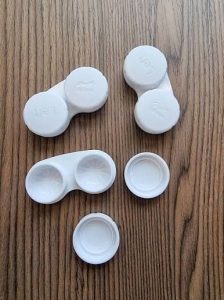
CONTACT LENS CASE

A contact lens case 👓 is a must-have for storing and caring for your lenses. It’s used to hold your lenses in solution when you’re not wearing them. Here are some things to consider:

  • Type: Look for a case that’s easy to open, clean, and dry. Some cases have separate wells for each lens, while others have a single compartment.
  • Material: Most cases are made of plastic, but some are designed to be more hygienic or have antimicrobial properties.
  • Size: Choose a case that’s compact enough to fit in your bag or purse.

Some popular features include:

  • Screw-top or snap-on lids: Easy to use and secure.
  • Labelled compartments: Helps you keep track of which lens is which.
  • Ventilation: Some cases have vents to help dry the lenses or reduce bacterial growth.
ULTRA THIN LENSES.

Ultra-thin lenses are designed to provide the same functionality as traditional lenses but with a significantly reduced thickness. They’re ideal for individuals with strong prescriptions who want to maintain a stylish appearance without compromising on lens thickness.

Types of Ultra-Thin Lenses:

  • High-Index Lenses: These lenses have a higher refractive index, which allows them to bend light more efficiently, resulting in a thinner design. Examples include 1.74 high-index lenses and 1.76 high-index lenses.
  • Double-Sided Aspheric Lenses: These lenses feature a unique design that reduces distortion and warping, making them thinner and more aesthetically pleasing ¹ ² ³.

Benefits of Ultra-Thin Lenses:

  • Aesthetic Appeal: Ultra-thin lenses are more cosmetically appealing, reducing the “bug-eyed” effect associated with thick lenses.
  • Lightweight: Thinner lenses are lighter, making them more comfortable to wear.
  • Reduced Distortion: Advanced designs minimize distortion and warping, ensuring a clearer field of vision ¹ ².

Recommended For:

  • Strong Prescriptions: Individuals with high myopia or astigmatism can benefit from ultra-thin lenses.
  • Fashion-Conscious Individuals: Those who want stylish glasses without compromising on lens thickness.
  • Individuals with Active Lifestyles: Ultra-thin lenses can be more comfortable and durable ² ¹.

Innovations in Ultra-Thin Lenses:

  • Metalenses: Researchers have developed ultra-thin metalenses that can convert infrared light into visible light, opening up new possibilities for applications in security, authentication, and more ⁴ ⁵.
ULTRA THIN LENSES.

Ultra-thin lenses are designed to provide the same functionality as traditional lenses but with a significantly reduced thickness. They’re ideal for individuals with strong prescriptions who want to maintain a stylish appearance without compromising on lens thickness.

Types of Ultra-Thin Lenses:

  • High-Index Lenses: These lenses have a higher refractive index, which allows them to bend light more efficiently, resulting in a thinner design. Examples include 1.74 high-index lenses and 1.76 high-index lenses.
  • Double-Sided Aspheric Lenses: These lenses feature a unique design that reduces distortion and warping, making them thinner and more aesthetically pleasing ¹ ² ³.

Benefits of Ultra-Thin Lenses:

  • Aesthetic Appeal: Ultra-thin lenses are more cosmetically appealing, reducing the “bug-eyed” effect associated with thick lenses.
  • Lightweight: Thinner lenses are lighter, making them more comfortable to wear.
  • Reduced Distortion: Advanced designs minimize distortion and warping, ensuring a clearer field of vision ¹ ².

Recommended For:

  • Strong Prescriptions: Individuals with high myopia or astigmatism can benefit from ultra-thin lenses.
  • Fashion-Conscious Individuals: Those who want stylish glasses without compromising on lens thickness.
  • Individuals with Active Lifestyles: Ultra-thin lenses can be more comfortable and durable ² ¹.

Innovations in Ultra-Thin Lenses:

  • Metalenses: Researchers have developed ultra-thin metalenses that can convert infrared light into visible light, opening up new possibilities for applications in security, authentication, and more ⁴ ⁵.
ULTRA THIN LENSES.

Ultra-thin lenses are designed to provide the same functionality as traditional lenses but with a significantly reduced thickness. They’re ideal for individuals with strong prescriptions who want to maintain a stylish appearance without compromising on lens thickness.

Types of Ultra-Thin Lenses:

  • High-Index Lenses: These lenses have a higher refractive index, which allows them to bend light more efficiently, resulting in a thinner design. Examples include 1.74 high-index lenses and 1.76 high-index lenses.
  • Double-Sided Aspheric Lenses: These lenses feature a unique design that reduces distortion and warping, making them thinner and more aesthetically pleasing ¹ ² ³.

Benefits of Ultra-Thin Lenses:

  • Aesthetic Appeal: Ultra-thin lenses are more cosmetically appealing, reducing the “bug-eyed” effect associated with thick lenses.
  • Lightweight: Thinner lenses are lighter, making them more comfortable to wear.
  • Reduced Distortion: Advanced designs minimize distortion and warping, ensuring a clearer field of vision ¹ ².

Recommended For:

  • Strong Prescriptions: Individuals with high myopia or astigmatism can benefit from ultra-thin lenses.
  • Fashion-Conscious Individuals: Those who want stylish glasses without compromising on lens thickness.
  • Individuals with Active Lifestyles: Ultra-thin lenses can be more comfortable and durable ² ¹.

Innovations in Ultra-Thin Lenses:

  • Metalenses: Researchers have developed ultra-thin metalenses that can convert infrared light into visible light, opening up new possibilities for applications in security, authentication, and more ⁴ ⁵.
ULTRA THIN LENSES.

Ultra-thin lenses are designed to provide the same functionality as traditional lenses but with a significantly reduced thickness. They’re ideal for individuals with strong prescriptions who want to maintain a stylish appearance without compromising on lens thickness.

Types of Ultra-Thin Lenses:

  • High-Index Lenses: These lenses have a higher refractive index, which allows them to bend light more efficiently, resulting in a thinner design. Examples include 1.74 high-index lenses and 1.76 high-index lenses.
  • Double-Sided Aspheric Lenses: These lenses feature a unique design that reduces distortion and warping, making them thinner and more aesthetically pleasing ¹ ² ³.

Benefits of Ultra-Thin Lenses:

  • Aesthetic Appeal: Ultra-thin lenses are more cosmetically appealing, reducing the “bug-eyed” effect associated with thick lenses.
  • Lightweight: Thinner lenses are lighter, making them more comfortable to wear.
  • Reduced Distortion: Advanced designs minimize distortion and warping, ensuring a clearer field of vision ¹ ².

Recommended For:

  • Strong Prescriptions: Individuals with high myopia or astigmatism can benefit from ultra-thin lenses.
  • Fashion-Conscious Individuals: Those who want stylish glasses without compromising on lens thickness.
  • Individuals with Active Lifestyles: Ultra-thin lenses can be more comfortable and durable ² ¹.

Innovations in Ultra-Thin Lenses:

  • Metalenses: Researchers have developed ultra-thin metalenses that can convert infrared light into visible light, opening up new possibilities for applications in security, authentication, and more ⁴ ⁵.
ULTRA THIN LENSES.

Ultra-thin lenses are designed to provide the same functionality as traditional lenses but with a significantly reduced thickness. They’re ideal for individuals with strong prescriptions who want to maintain a stylish appearance without compromising on lens thickness.

Types of Ultra-Thin Lenses:

  • High-Index Lenses: These lenses have a higher refractive index, which allows them to bend light more efficiently, resulting in a thinner design. Examples include 1.74 high-index lenses and 1.76 high-index lenses.
  • Double-Sided Aspheric Lenses: These lenses feature a unique design that reduces distortion and warping, making them thinner and more aesthetically pleasing ¹ ² ³.

Benefits of Ultra-Thin Lenses:

  • Aesthetic Appeal: Ultra-thin lenses are more cosmetically appealing, reducing the “bug-eyed” effect associated with thick lenses.
  • Lightweight: Thinner lenses are lighter, making them more comfortable to wear.
  • Reduced Distortion: Advanced designs minimize distortion and warping, ensuring a clearer field of vision ¹ ².

Recommended For:

  • Strong Prescriptions: Individuals with high myopia or astigmatism can benefit from ultra-thin lenses.
  • Fashion-Conscious Individuals: Those who want stylish glasses without compromising on lens thickness.
  • Individuals with Active Lifestyles: Ultra-thin lenses can be more comfortable and durable ² ¹.

Innovations in Ultra-Thin Lenses:

  • Metalenses: Researchers have developed ultra-thin metalenses that can convert infrared light into visible light, opening up new possibilities for applications in security, authentication, and more ⁴ ⁵.
ULTRA THIN LENSES.

Ultra-thin lenses are designed to provide the same functionality as traditional lenses but with a significantly reduced thickness. They’re ideal for individuals with strong prescriptions who want to maintain a stylish appearance without compromising on lens thickness.

Types of Ultra-Thin Lenses:

  • High-Index Lenses: These lenses have a higher refractive index, which allows them to bend light more efficiently, resulting in a thinner design. Examples include 1.74 high-index lenses and 1.76 high-index lenses.
  • Double-Sided Aspheric Lenses: These lenses feature a unique design that reduces distortion and warping, making them thinner and more aesthetically pleasing ¹ ² ³.

Benefits of Ultra-Thin Lenses:

  • Aesthetic Appeal: Ultra-thin lenses are more cosmetically appealing, reducing the “bug-eyed” effect associated with thick lenses.
  • Lightweight: Thinner lenses are lighter, making them more comfortable to wear.
  • Reduced Distortion: Advanced designs minimize distortion and warping, ensuring a clearer field of vision ¹ ².

Recommended For:

  • Strong Prescriptions: Individuals with high myopia or astigmatism can benefit from ultra-thin lenses.
  • Fashion-Conscious Individuals: Those who want stylish glasses without compromising on lens thickness.
  • Individuals with Active Lifestyles: Ultra-thin lenses can be more comfortable and durable ² ¹.

Innovations in Ultra-Thin Lenses:

  • Metalenses: Researchers have developed ultra-thin metalenses that can convert infrared light into visible light, opening up new possibilities for applications in security, authentication, and more ⁴ ⁵.
ULTRA THIN LENSES.

Ultra-thin lenses are designed to provide the same functionality as traditional lenses but with a significantly reduced thickness. They’re ideal for individuals with strong prescriptions who want to maintain a stylish appearance without compromising on lens thickness.

Types of Ultra-Thin Lenses:

  • High-Index Lenses: These lenses have a higher refractive index, which allows them to bend light more efficiently, resulting in a thinner design. Examples include 1.74 high-index lenses and 1.76 high-index lenses.
  • Double-Sided Aspheric Lenses: These lenses feature a unique design that reduces distortion and warping, making them thinner and more aesthetically pleasing ¹ ² ³.

Benefits of Ultra-Thin Lenses:

  • Aesthetic Appeal: Ultra-thin lenses are more cosmetically appealing, reducing the “bug-eyed” effect associated with thick lenses.
  • Lightweight: Thinner lenses are lighter, making them more comfortable to wear.
  • Reduced Distortion: Advanced designs minimize distortion and warping, ensuring a clearer field of vision ¹ ².

Recommended For:

  • Strong Prescriptions: Individuals with high myopia or astigmatism can benefit from ultra-thin lenses.
  • Fashion-Conscious Individuals: Those who want stylish glasses without compromising on lens thickness.
  • Individuals with Active Lifestyles: Ultra-thin lenses can be more comfortable and durable ² ¹.

Innovations in Ultra-Thin Lenses:

  • Metalenses: Researchers have developed ultra-thin metalenses that can convert infrared light into visible light, opening up new possibilities for applications in security, authentication, and more ⁴ ⁵.
ULTRA THIN LENSES.

Ultra-thin lenses are designed to provide the same functionality as traditional lenses but with a significantly reduced thickness. They’re ideal for individuals with strong prescriptions who want to maintain a stylish appearance without compromising on lens thickness.

Types of Ultra-Thin Lenses:

  • High-Index Lenses: These lenses have a higher refractive index, which allows them to bend light more efficiently, resulting in a thinner design. Examples include 1.74 high-index lenses and 1.76 high-index lenses.
  • Double-Sided Aspheric Lenses: These lenses feature a unique design that reduces distortion and warping, making them thinner and more aesthetically pleasing ¹ ² ³.

Benefits of Ultra-Thin Lenses:

  • Aesthetic Appeal: Ultra-thin lenses are more cosmetically appealing, reducing the “bug-eyed” effect associated with thick lenses.
  • Lightweight: Thinner lenses are lighter, making them more comfortable to wear.
  • Reduced Distortion: Advanced designs minimize distortion and warping, ensuring a clearer field of vision ¹ ².

Recommended For:

  • Strong Prescriptions: Individuals with high myopia or astigmatism can benefit from ultra-thin lenses.
  • Fashion-Conscious Individuals: Those who want stylish glasses without compromising on lens thickness.
  • Individuals with Active Lifestyles: Ultra-thin lenses can be more comfortable and durable ² ¹.

Innovations in Ultra-Thin Lenses:

  • Metalenses: Researchers have developed ultra-thin metalenses that can convert infrared light into visible light, opening up new possibilities for applications in security, authentication, and more ⁴ ⁵.
STRABISMUS

This is a disorder where by both eyes of an individual faces different positions of gaze.

This condition is also called crossed eyes,  or squint.

It is caused by injury to the eyes extraocular muscles, muscle paralysis, higher center lesions, surgery et.c.

Signs and symptoms includes visible crossed eyes, diplopia, blurry vision.

Treatment includes the use of eye patch,  eye exercises, surgery, prisms and corrective lenses.