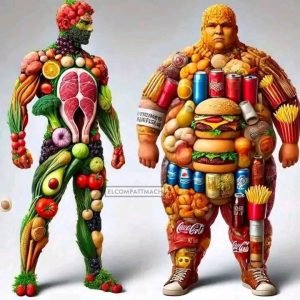
Dietary requirements for the eyes — what you eat directly affects your retina, lens, tear film, and optic nerve. Here’s the breakdown:
1. Omega-3 fatty acids: DHA & EPA
- Why: DHA makes up 50-60% of fatty acids in your retina. Keeps photoreceptor cells flexible. EPA reduces eye surface inflammation
- Sources: Salmon, mackerel, sardines, anchovies, fish oil supplements
- Target: 2-3 servings fatty fish per week or 1000-2000 mg combined EPA+DHA daily
- Benefits: Helps dry eye, meibomian gland function, may lower AMD risk
2. Lutein & Zeaxanthin
- Why: These carotenoids form the macular pigment. Acts like “internal sunglasses” that filter harmful blue light
- Sources: Kale, spinach, collard greens, egg yolks, corn, orange bell peppers
- Target: 6-10 mg lutein + 2 mg zeaxanthin daily. AREDS2 used 10 mg + 2 mg
- Benefits: Reduces risk of macular degeneration and cataracts
3. Vitamin A + Beta-carotene
- Why: Vitamin A makes rhodopsin, the pigment your rods need for night vision. Deficiency = night blindness
- Sources: Liver, dairy, eggs for preformed A. Carrots, sweet potatoes, pumpkin for beta-carotene
- Target: 700-900 mcg RAE daily. Don’t overdo supplements because high dose vitamin A can be toxic
- Benefits: Cornea health, night vision, prevents xerophthalmia
4. Vitamin C
- Why: Antioxidant in the aqueous humor of your eye. Helps regenerate vitamin E and supports blood vessels
- Sources: Oranges, guava, bell peppers, strawberries, broccoli
- Target: 75-90 mg daily. AREDS used 500 mg for AMD patients
- Benefits: Slows cataract progression, supports collagen in cornea/sclera
5. Vitamin E
- Why: Protects eye cell membranes from oxidative damage
- Sources: Almonds, sunflower seeds, avocado, wheat germ oil
- Target: 15 mg daily. AREDS used 400 IU
- Benefits: Works with vitamin C and zinc to slow AMD
6. Zinc
- Why: Concentrated in retina and choroid. Helps vitamin A move from liver to retina to make melanin, a protective pigment
- Sources: Oysters, beef, pumpkin seeds, cashews, beans
- Target: 8-11 mg daily. AREDS2 used 80 mg zinc oxide, but high doses need copper added
- Benefits: Critical for night vision and AMD risk reduction
7. Water & general hydration
- Why: Your tear film is 98% water. Dehydration = worse dry eye
- Target: About 2-3 L fluid daily depending on climate and activity
- Benefits: Better tear volume, less gritty eyes
8. Other helpful nutrients
- Vitamin D: May reduce inflammation in dry eye and AMD. Source: Sun, fatty fish, fortified milk
- B vitamins: B2, B6, B12, folate help lower homocysteine, linked to retinal vein issues
- Selenium & Copper: Cofactors for antioxidant enzymes in the eye
Sample eye-friendly day
- Breakfast: Eggs with spinach + orange
- Lunch: Grilled sardines, kale salad, almonds
- Snack: Carrot sticks + guava
- Dinner: Sweet potato, baked salmon, broccoli
Key rule: Eat colorful. Dark green, orange, yellow, and red foods usually pack the carotenoids your eyes need.