Eagleview Eye Clinic

Tag glaucoma tests

THE BJERRUM TANGENT SCREEN

The Bjerrum tangent screen is a device used in ophthalmology to assess the visual field, particularly the central and paracentral areas. It’s a flat surface with a tangent curve marked on it, used to map out the field of vision.

How it’s used:

  1. Patient fixation: The patient fixates on a central point.
  2. Stimulus presentation: A stimulus (e.g., a small object or light) is moved along the tangent screen.
  3. Visual field mapping: The patient indicates when they see the stimulus, allowing the examiner to map out the visual field.

Purpose:

The Bjerrum tangent screen is used to:

  1. Detect visual field defects: Identify defects in the central and paracentral visual field.
  2. Monitor glaucoma: Track changes in the visual field associated with glaucoma.
  3. Assess optic nerve function: Evaluate the function of the optic nerve.

The Bjerrum tangent screen is a useful tool for assessing and monitoring visual field defects, particularly in glaucoma patients.

IMPACT OF GLAUCOMA ON THE QUALITY OF LIFE

Glaucoma significantly impacts the quality of life for those affected. Studies have shown that people with glaucoma experience ¹ ²:

  • Reduced Mobility: 60% of participants in one study couldn’t drive due to glaucoma-related vision loss, while others reported difficulty noticing things while walking or sitting in one place.
  • Emotional Distress: The psychosocial impact of glaucoma can lead to feelings of dependency and being a burden on family members, greatly affecting mental health.
  • Daily Activity Limitations: Patients experience difficulty reading, recognizing faces, and performing daily tasks due to progressive vision loss.
  • Poor General and Vision-Related Quality of Life: Monocular glaucoma patients have lower overall quality of life scores, with depression being a common comorbidity.
  • Financial Burden: Glaucoma patients, especially those in middle to low-income countries, may experience reduced monthly earnings due to limited mobility and job opportunities.

Factors Affecting Quality of Life:

  • Visual Acuity: The severity of vision loss directly impacts quality of life.
  • Female Gender: Women may experience a greater impact on their quality of life due to glaucoma.
  • Treatment Regimens: Surgical treatment and number of topical medications can negatively impact vision-related quality of life ² ³ ⁴.

Support and Resources:

  • Social welfare and psycho-social institutions can provide essential support for glaucoma patients.
  • Access to proper medical care, rehabilitation services, and counseling can help mitigate the impact of glaucoma on quality of life ¹.
IMPACT OF GLAUCOMA ON THE QUALITY OF LIFE

Glaucoma significantly impacts the quality of life for those affected. Studies have shown that people with glaucoma experience ¹ ²:

  • Reduced Mobility: 60% of participants in one study couldn’t drive due to glaucoma-related vision loss, while others reported difficulty noticing things while walking or sitting in one place.
  • Emotional Distress: The psychosocial impact of glaucoma can lead to feelings of dependency and being a burden on family members, greatly affecting mental health.
  • Daily Activity Limitations: Patients experience difficulty reading, recognizing faces, and performing daily tasks due to progressive vision loss.
  • Poor General and Vision-Related Quality of Life: Monocular glaucoma patients have lower overall quality of life scores, with depression being a common comorbidity.
  • Financial Burden: Glaucoma patients, especially those in middle to low-income countries, may experience reduced monthly earnings due to limited mobility and job opportunities.

Factors Affecting Quality of Life:

  • Visual Acuity: The severity of vision loss directly impacts quality of life.
  • Female Gender: Women may experience a greater impact on their quality of life due to glaucoma.
  • Treatment Regimens: Surgical treatment and number of topical medications can negatively impact vision-related quality of life ² ³ ⁴.

Support and Resources:

  • Social welfare and psycho-social institutions can provide essential support for glaucoma patients.
  • Access to proper medical care, rehabilitation services, and counseling can help mitigate the impact of glaucoma on quality of life ¹.
IMPACT OF GLAUCOMA ON THE QUALITY OF LIFE

Glaucoma significantly impacts the quality of life for those affected. Studies have shown that people with glaucoma experience ¹ ²:

  • Reduced Mobility: 60% of participants in one study couldn’t drive due to glaucoma-related vision loss, while others reported difficulty noticing things while walking or sitting in one place.
  • Emotional Distress: The psychosocial impact of glaucoma can lead to feelings of dependency and being a burden on family members, greatly affecting mental health.
  • Daily Activity Limitations: Patients experience difficulty reading, recognizing faces, and performing daily tasks due to progressive vision loss.
  • Poor General and Vision-Related Quality of Life: Monocular glaucoma patients have lower overall quality of life scores, with depression being a common comorbidity.
  • Financial Burden: Glaucoma patients, especially those in middle to low-income countries, may experience reduced monthly earnings due to limited mobility and job opportunities.

Factors Affecting Quality of Life:

  • Visual Acuity: The severity of vision loss directly impacts quality of life.
  • Female Gender: Women may experience a greater impact on their quality of life due to glaucoma.
  • Treatment Regimens: Surgical treatment and number of topical medications can negatively impact vision-related quality of life ² ³ ⁴.

Support and Resources:

  • Social welfare and psycho-social institutions can provide essential support for glaucoma patients.
  • Access to proper medical care, rehabilitation services, and counseling can help mitigate the impact of glaucoma on quality of life ¹.
IMPACT OF GLAUCOMA ON THE QUALITY OF LIFE

Glaucoma significantly impacts the quality of life for those affected. Studies have shown that people with glaucoma experience ¹ ²:

  • Reduced Mobility: 60% of participants in one study couldn’t drive due to glaucoma-related vision loss, while others reported difficulty noticing things while walking or sitting in one place.
  • Emotional Distress: The psychosocial impact of glaucoma can lead to feelings of dependency and being a burden on family members, greatly affecting mental health.
  • Daily Activity Limitations: Patients experience difficulty reading, recognizing faces, and performing daily tasks due to progressive vision loss.
  • Poor General and Vision-Related Quality of Life: Monocular glaucoma patients have lower overall quality of life scores, with depression being a common comorbidity.
  • Financial Burden: Glaucoma patients, especially those in middle to low-income countries, may experience reduced monthly earnings due to limited mobility and job opportunities.

Factors Affecting Quality of Life:

  • Visual Acuity: The severity of vision loss directly impacts quality of life.
  • Female Gender: Women may experience a greater impact on their quality of life due to glaucoma.
  • Treatment Regimens: Surgical treatment and number of topical medications can negatively impact vision-related quality of life ² ³ ⁴.

Support and Resources:

  • Social welfare and psycho-social institutions can provide essential support for glaucoma patients.
  • Access to proper medical care, rehabilitation services, and counseling can help mitigate the impact of glaucoma on quality of life ¹.
IMPACT OF GLAUCOMA ON THE QUALITY OF LIFE

Glaucoma significantly impacts the quality of life for those affected. Studies have shown that people with glaucoma experience ¹ ²:

  • Reduced Mobility: 60% of participants in one study couldn’t drive due to glaucoma-related vision loss, while others reported difficulty noticing things while walking or sitting in one place.
  • Emotional Distress: The psychosocial impact of glaucoma can lead to feelings of dependency and being a burden on family members, greatly affecting mental health.
  • Daily Activity Limitations: Patients experience difficulty reading, recognizing faces, and performing daily tasks due to progressive vision loss.
  • Poor General and Vision-Related Quality of Life: Monocular glaucoma patients have lower overall quality of life scores, with depression being a common comorbidity.
  • Financial Burden: Glaucoma patients, especially those in middle to low-income countries, may experience reduced monthly earnings due to limited mobility and job opportunities.

Factors Affecting Quality of Life:

  • Visual Acuity: The severity of vision loss directly impacts quality of life.
  • Female Gender: Women may experience a greater impact on their quality of life due to glaucoma.
  • Treatment Regimens: Surgical treatment and number of topical medications can negatively impact vision-related quality of life ² ³ ⁴.

Support and Resources:

  • Social welfare and psycho-social institutions can provide essential support for glaucoma patients.
  • Access to proper medical care, rehabilitation services, and counseling can help mitigate the impact of glaucoma on quality of life ¹.
IMPACT OF GLAUCOMA ON THE QUALITY OF LIFE

Glaucoma significantly impacts the quality of life for those affected. Studies have shown that people with glaucoma experience ¹ ²:

  • Reduced Mobility: 60% of participants in one study couldn’t drive due to glaucoma-related vision loss, while others reported difficulty noticing things while walking or sitting in one place.
  • Emotional Distress: The psychosocial impact of glaucoma can lead to feelings of dependency and being a burden on family members, greatly affecting mental health.
  • Daily Activity Limitations: Patients experience difficulty reading, recognizing faces, and performing daily tasks due to progressive vision loss.
  • Poor General and Vision-Related Quality of Life: Monocular glaucoma patients have lower overall quality of life scores, with depression being a common comorbidity.
  • Financial Burden: Glaucoma patients, especially those in middle to low-income countries, may experience reduced monthly earnings due to limited mobility and job opportunities.

Factors Affecting Quality of Life:

  • Visual Acuity: The severity of vision loss directly impacts quality of life.
  • Female Gender: Women may experience a greater impact on their quality of life due to glaucoma.
  • Treatment Regimens: Surgical treatment and number of topical medications can negatively impact vision-related quality of life ² ³ ⁴.

Support and Resources:

  • Social welfare and psycho-social institutions can provide essential support for glaucoma patients.
  • Access to proper medical care, rehabilitation services, and counseling can help mitigate the impact of glaucoma on quality of life ¹.
IMPACT OF GLAUCOMA ON THE QUALITY OF LIFE

Glaucoma significantly impacts the quality of life for those affected. Studies have shown that people with glaucoma experience ¹ ²:

  • Reduced Mobility: 60% of participants in one study couldn’t drive due to glaucoma-related vision loss, while others reported difficulty noticing things while walking or sitting in one place.
  • Emotional Distress: The psychosocial impact of glaucoma can lead to feelings of dependency and being a burden on family members, greatly affecting mental health.
  • Daily Activity Limitations: Patients experience difficulty reading, recognizing faces, and performing daily tasks due to progressive vision loss.
  • Poor General and Vision-Related Quality of Life: Monocular glaucoma patients have lower overall quality of life scores, with depression being a common comorbidity.
  • Financial Burden: Glaucoma patients, especially those in middle to low-income countries, may experience reduced monthly earnings due to limited mobility and job opportunities.

Factors Affecting Quality of Life:

  • Visual Acuity: The severity of vision loss directly impacts quality of life.
  • Female Gender: Women may experience a greater impact on their quality of life due to glaucoma.
  • Treatment Regimens: Surgical treatment and number of topical medications can negatively impact vision-related quality of life ² ³ ⁴.

Support and Resources:

  • Social welfare and psycho-social institutions can provide essential support for glaucoma patients.
  • Access to proper medical care, rehabilitation services, and counseling can help mitigate the impact of glaucoma on quality of life ¹.
SECONDARY ANGLE CLOSURE GLAUCOMA

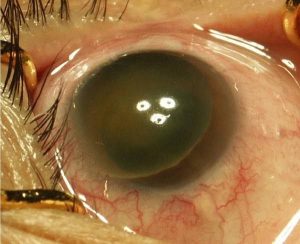
This is angle closure Glaucoma that’s is attributed to a known cause, e.g trauma, inflammation etc.

This particular condition most times comes with iris inflammation. Signs and symptoms includes pain, red eyes, fixed and dilated pupils, cornea odema ( occasionally).

Treatment includes hyperosmotics, miotics and anti Glaucoma drugs, while ensuring that the primary cause is properly treated.

Prognosis is very good, but delayed treatment can result in fatal consequences.

CLASSES OF ANTI GLAUCOMA DRUGS.

Since the cause and cure for glaucoma are both unknown, the goal of Glaucoma management for now is to reduce intraocular pressure (IOP).

The main classes of anti Glaucoma medications includes the following:

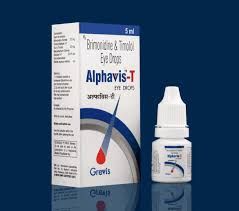
1.Alpha 2 adrenergic agonist: these class of drugs reduces IOP by reducing the production of aqueous and increase the out flow of aqueous. The above attributes makes it a strong drug for glaucoma management. Examples of drugs in this category includes brimonidine, apraclonidine et.c.

2. Beta blockers: this class of drugs reduces the production of aqueous humor. We have general beta blockers and selective beta blockers. Examples of drugs in this class are timolol, levobunolol, betaxolol et.c.

3.Carbonic anhydrase inhibitor: This particular class of drugs reduces IOP by acting as an antidiuretic. They’re available as systemic and topical formulation. Examples are acetazolamide, brinzolamide, dorzolamide et.c

4. Prostaglandin analogues: This  class of drugs works primarily by increasing outflow of aqueous humor. Examples includes latanoprost, travoprost.

5. Hyperosmotics: This class of drugs acts on the principle of osmosis. They draw out liquid from area of lower concentration to area of higher concentration. Examples includes salacin, osmoglyn.

Other classes of anti Glaucoma medications are the miotics. They help open up the anterior chamber to increase outflow of aqueous humor ( especially in angle closure glaucoma) examples includes pilocarpine.