Eagleview Eye Clinic

Tag healthy Eyes

B – SCAN

A B-scan ultrasound 👀 is a diagnostic test that uses sound waves to create images of the eye’s internal structures, especially the posterior segment.

Key uses

  • Retinal detachment: Shows if the retina is detached or torn.
  • Vitreous hemorrhage: Visualizes blood in the vitreous.
  • Tumors: Helps identify and measure eye tumors.
  • Foreign bodies: Locates objects inside the eye.
  • Trauma assessment: Evaluates damage when the eye’s hard to examine.

How it works

  1. Probe placement: Gel is applied; the probe is placed on the eyelid (closed or open).
  2. Sound waves: Echoes bounce off structures, creating images.
  3. Interpretation: Images show structures like the retina, vitreous, and orbit.

Types of scans

  • Axial scan: Shows structures along the eye’s axis.
  • Longitudinal scan: Images are taken in different meridians.

Tips

  • Painless and non-invasive.
  • Coupling gel is used for better contact.
  • Results are immediate.

MIRROR TEST

The mirror test 🪞 is a sneaky way to check if someone’s faking vision loss in one eye (malingering).

How it works

  1. Patient claims blindness in one eye.
  2. Place a mirror in front of them, angled to show their “blind” eye.
  3. Ask them to look straight ahead.
  4. Check if they react to their own reflection (e.g., blink, move, etc.).

What it shows

  • If they react to their reflection, it suggests the “blind” eye can see.
  • If they don’t react, could be malingering… or really blind 😅.

Tips

  • Casual setup: Make it seem like a normal exam step.
  • Distract them: Talk about something else while doing the test.
  • Combine with other tests for stronger evidence.

BANDAGE CONTACT LENSES

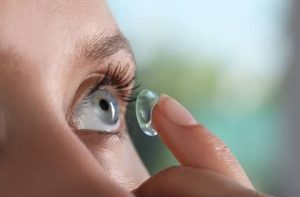
Bandage contact lenses are special soft lenses placed on the eye like a protective patch. They’re used after corneal injuries, surgeries, or infections to:

  • Promote healing: By covering the cornea, they protect it from blinking and eyelid friction.
  • Reduce pain: The lens acts as a barrier, decreasing discomfort.
  • Keep the eye moist: They help maintain a stable tear film over the cornea.

How they work:

  • Fit like a regular contact lens but are larger and more comfortable.
  • Made of high-oxygen-permeable materials so the cornea can still breathe.
  • Often used after procedures like corneal debridement, PRK, or for conditions like bullous keratopathy.

They’re usually prescribed by an eye doctor and worn for days to weeks depending on the condition.

CORNEA DEBRIDING

Corneal debridement is the careful removal of damaged, diseased, or infected tissue from the cornea. It’s a common procedure in eye care, especially for infections like fungal keratitis.

Why it’s done:

  • Improves drug penetration: Meds can reach deeper layers better.
  • Diagnostic: Tissue can be tested to identify the pathogen.
  • Therapeutic: Removes infected tissue to stop spread.

How it’s done:

  1. Numbing: Anesthetic eye drops are used to prevent pain.
  2. Sterile instruments: A spatula, blade, or cotton swab is used to gently scrape the cornea.
  3. Microscope guidance: Often done under a slit-lamp or operating microscope.
  4. Cleaning: After scraping, the area may be irrigated.
  5. Medication: Antifungal, antibacterial, or antiviral drops are applied afterward.

It’s usually quick (minutes) and done in a clinic or minor operating room.

CORNEA REPAIR

👨‍⚕️ Cornea repair refers to treatments for corneal damage or disease. Options include:

Methods:

  1. Corneal transplant: Replace damaged tissue
  2. Corneal graft: Transplant healthy tissue
  3. LASIK/PRK: Reshape cornea for vision correction
  4. Collagen cross-linking: Strengthen corneal tissue
  5. Amniotic membrane transplant: Promote healing

Indications:

  1. Corneal ulcers: Infection or injury
  2. Keratoconus: Progressive thinning
  3. Scarring: Visual impairment
  4. Injury: Trauma or chemical burns

Goals:

  1. Restore vision: Improve clarity
  2. Relieve pain: Manage symptoms
  3. Prevent complications: Infection or further damage
LOCAL ANAESTHESIA

👨‍⚕️ Local anesthesia numbs a specific area, blocking pain signals to the brain. In eye care, it’s used for procedures like cataract surgery, corneal scraping, or injections.

Common agents:

  1. Lidocaine: Fast-acting, short duration
  2. Bupivacaine: Longer-lasting
  3. Proparacaine: Topical anesthetic for surface procedures

Administration:

  1. Topical drops: Surface anesthesia
  2. Injections: Subconjunctival or periocular blocks
  3. Gel or ointment: Prolonged effect

Effects:

  1. Numbness: Reduced pain sensation
  2. Muscle relaxation: Reduced eye movement
  3. Variable duration: Depends on agent and dose
CYCLOPLEGIA

🔍 Cycloplegia is the temporary paralysis of the ciliary muscle, which controls the eye’s focusing (accommodation).

Key effects:

  1. Blurry near vision
  2. Difficulty focusing on close objects
  3. Pupil dilation (mydriasis)
  4. No pain, but uncomfortable for reading/near work

Common causes:

  1. Medications: Cyclopentolate, atropine (used in eye exams)
  2. Infections: Viral (e.g., herpes zoster)
  3. Trauma
  4. Toxins (e.g., botulinum)
  5. Conditions: Adie’s tonic pupil

Management:

  • Reversible (lasts hours–days, depending on cause)
  • Use glasses for near tasks
  • Avoid driving until resolved
  • Consult an eye doctor if persistent 😎.
HORIZONTAL COINCIDENCE TEST

The horizontal coincidence test, also known as the cover-uncover test or Hirschberg’s test, assesses binocular alignment and detects strabismus (misaligned eyes).

How it’s done:

  1. Patient fixates: The patient looks at a target, usually a light or object.
  2. Covering one eye: One eye is covered, and the movement of the uncovered eye is observed.
  3. Uncovering the eye: The covered eye is uncovered, and the movement of both eyes is observed.

Purpose:

The test helps detect:

  1. Strabismus: Misalignment of the eyes (esotropia, exotropia, hypertropia, etc.).
  2. Binocular vision problems: Issues with how the eyes work together.

The test provides valuable information about binocular alignment and helps diagnose and manage strabismus and other binocular vision problems.

EYE LID RECONSTRUCTION

Eyelid reconstruction is a surgical procedure to repair or rebuild the eyelid, often due to:

  1. Trauma or injury
  2. Tumor removal
  3. Congenital defects
  4. Eyelid malposition

The goal is to restore:

  1. Function: Protecting the eye and maintaining vision
  2. Appearance: Improving the look of the eyelid

Techniques vary depending on the complexity and extent of the reconstruction, and may involve:

  1. Skin grafts
  2. Flap reconstruction
  3. Tarsorrhaphy (temporary or permanent closure)

A skilled oculoplastic surgeon can help determine the best approach for individual needs.

DIETING AND THE EYES

Dieting is the practice of regulating food intake with the goal of weight loss, improving physical  condition or managing specific health conditions.

What you eat, how you eat? And when you eat have a major role in your eye health and your health in general.

There are specific vitamins and minerals our eyes require for optimum function, and there are regular food that contains such healthy nutrients.

Today we will be talking extensively on some common food sources and how they impact our eyes. We will place less emphasis on the specific vitamins and minerals inorder for this topic to sink in easily.

What are the common food sources that are required for healthy visual function?

1. EGGS: eggs are very rich in lots of minerals and vitamins. Consistent intake of eggs helps prevent conditions like age related macular degeneration, choroidal degeneration

2. ORANGES AND GRAPES: These  sources of food are highly rich in antioxidants. Consuming these regularly helps in preventing cell death and reducing Glaucoma.

3. BEANS AND GBEGIRI: These food sources have high zinc content, hence they help in mental alertness, brain function and they also boost cornea health.

4. CARROT: carrots are very rich in vitamin A which is good for night vision, and also help reducing damages from the condition called retinitis pigmentosa.

5. FISH AND SEAFOOD: fishes and seafood are very rich in zinc and for this they help in brain function and ensuring a healthy cornea for the consumer. Fishes and seafood are also rich in vitamin A, leutin and zeanthin, so consuming fishes and seafood will go a long way for your visual health.

Other food sources that are necessary for healthy eyes are vegetables,  palm oil, broccoli, kale, et.c