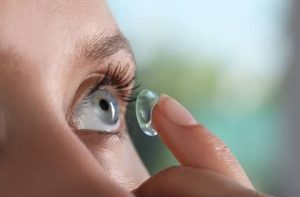
Eagleview Eye Clinic

Tag healthy Eyes

FUCH’S SPOT

Fuchs spot = Fuchs’ spot. It’s a pigmented scar in the macula caused by bleeding from choroidal neovascularization (CNV). Almost always seen in people with pathologic myopia.

What it is

  • Location: Center of the macula, the part of your retina used for sharp central vision
  • Appearance: Round or oval dark spot. Color ranges from gray-black to reddish-brown depending on how old it is
  • Cause: End result of a subretinal bleed that healed. The blood gets replaced by scar tissue + pigment

How it forms

  1. High myopia stretches the eye: Eyeball gets too long, >26.5 mm
  2. Bruch’s membrane cracks: Lacquer cracks develop from the stretching
  3. CNV grows: New, fragile blood vessels from the choroid grow through the cracks
  4. Bleeding occurs: Those vessels leak or burst, causing subretinal hemorrhage under the macula
  5. Scar formation: As blood clears over weeks to months, fibrovascular tissue + RPE hyperpigmentation forms. That’s the Fuchs spot

Who gets it

  • Pathologic myopia: Main group. Usually -6.00D or worse
  • Age: Typically 30s to 50s, younger than regular AMD
  • Other names: Sometimes called Forster-Fuchs’ spot. Not related to Fuchs’ endothelial dystrophy of the cornea

Symptoms

  • Central vision loss: Blur or a dark/empty spot right in the middle of vision
  • Distortion: Straight lines look bent or wavy before the scar fully forms
  • Scotoma: Once scarred, you’ll have a permanent blind spot in the center
  • Often unilateral first: Can happen in the other eye later if myopia is severe in both

Diagnosis

  • Dilated fundus exam: Doctor sees a pigmented macular lesion
  • OCT scan: Shows subretinal scar tissue and disrupted retinal layers
  • Fluorescein/ICG angiography: Used early to find active CNV before it scars. Once it’s a Fuchs spot, the vessels are usually inactive
  • History: Patient usually reports a prior episode of sudden central vision drop from the bleed

Treatment

  • No reversal: A true Fuchs spot is a scar. Vision in that exact spot doesn’t come back
  • Goal is prevention: Treat the CNV before it bleeds and scars
    • Anti-VEGF injections: Avastin, Lucentis, Eylea injected into the eye if active CNV is caught
    • Photodynamic therapy: Rarely used now, but was an option before anti-VEGF
  • Low vision aids: If central vision is lost, magnifiers and rehab help with daily tasks

Prognosis

  • Vision impact: Depends on size and location. A small spot off-center may leave 6/12 vision. One dead center can drop to 6/60 or worse
  • Other eye risk: 30-35% chance of CNV in the second eye within 8 years if you have high myopia
  • Stability: Once scarred, it usually doesn’t grow. But new CNV can form at the edge

Fuchs spot vs other macular scars
Condition Cause Age group
Fuchs spot Myopic CNV bleed 30s-50s, high myopes
Disciform scar AMD CNV 60+, non-myopes
Toxoplasmosis scar Infection Any age, often kids/young adults
Bottom line: Fuchs spot is the “tombstone” left after a myopic CNV bleed. The key is catching CNV early with regular OCT scans if you’re a high myope, because once the spot forms, central vision loss is permanent.

LACQUER CRACKS

Lacquer cracks are breaks in Bruch’s membrane, a thin layer in the back of your eye. They’re mostly linked to high myopia but can show up in other conditions too.

What exactly breaks?

  • Location: Bruch’s membrane sits between the retinal pigment epithelium (RPE) and the choroid. It’s like the “basement membrane” for the retina
  • The crack: Think of paint on a wall. If the wall stretches too much, the paint develops hairline cracks. Same idea when the eyeball elongates in high myopia
  • Appearance: On eye exams, they look like yellowish, irregular lines in the back of the eye, often near the macula

Main causes

  • Pathologic myopia: Biggest cause. Eyes longer than 26.5 mm or stronger than -6.00D stretch Bruch’s membrane until it tears
  • Trauma: Blunt injury to the eye can cause acute cracks
  • Angioid streaks: Associated with systemic diseases like pseudoxanthoma elasticum, Ehlers-Danlos, Paget’s disease. Angioid streaks can develop lacquer cracks
  • Choroidal neovascularization: Sometimes new blood vessels form around the cracks

Symptoms

  • Often none early: Many people have lacquer cracks with no vision change
  • If macula involved: Blurred vision, distorted vision where straight lines look wavy, or a blind spot
  • Sudden vision drop: Usually means a complication like bleeding or CNV has started

Complications to watch for

  • Choroidal neovascularization (CNV): New, leaky blood vessels grow through the crack. This is the main threat to vision and can cause bleeding/scarring
  • Subretinal hemorrhage: Blood under the retina from CNV, causes sudden central vision loss
  • Fuchs’ spot: Pigmented scar that forms after a bleed heals. Leaves permanent central scotoma

How doctors diagnose

  • Dilated fundus exam: Doctor sees yellow lines
  • OCT scan: Shows the break in Bruch’s membrane and any fluid/blood
  • Fluorescein angiography: Dye test to check for CNV leaking through the crack
  • ICG angiography: Better for seeing deeper choroidal vessels

Treatment

  • No fix for the crack itself: Bruch’s membrane can’t be stitched back. Goal is to manage complications
  • If CNV develops: Anti-VEGF injections like Avastin, Lucentis, or Eylea into the eye to stop new vessels
  • Monitor: Regular OCT scans if you have lacquer cracks, especially with high myopia
  • Lifestyle: No proven way to prevent them, but controlling myopia progression in kids may help reduce future risk

Who’s at risk

  • High myopes: -6.00D or worse, or axial length >26.5 mm
  • Age: Usually appears in 20s-40s in myopic patients
  • Family history: Pathologic myopia runs in families

Bottom line: Lacquer cracks themselves don’t always hurt vision. The danger is when new blood vessels grow through them. If you have high myopia, get yearly dilated eye exams so any CNV gets caught early.

DIETARY REQUIREMENTS FOR THE EYES

Dietary requirements for the eyes — what you eat directly affects your retina, lens, tear film, and optic nerve. Here’s the breakdown:

1. Omega-3 fatty acids: DHA & EPA

  • Why: DHA makes up 50-60% of fatty acids in your retina. Keeps photoreceptor cells flexible. EPA reduces eye surface inflammation
  • Sources: Salmon, mackerel, sardines, anchovies, fish oil supplements
  • Target: 2-3 servings fatty fish per week or 1000-2000 mg combined EPA+DHA daily
  • Benefits: Helps dry eye, meibomian gland function, may lower AMD risk

2. Lutein & Zeaxanthin

  • Why: These carotenoids form the macular pigment. Acts like “internal sunglasses” that filter harmful blue light
  • Sources: Kale, spinach, collard greens, egg yolks, corn, orange bell peppers
  • Target: 6-10 mg lutein + 2 mg zeaxanthin daily. AREDS2 used 10 mg + 2 mg
  • Benefits: Reduces risk of macular degeneration and cataracts

3. Vitamin A + Beta-carotene

  • Why: Vitamin A makes rhodopsin, the pigment your rods need for night vision. Deficiency = night blindness
  • Sources: Liver, dairy, eggs for preformed A. Carrots, sweet potatoes, pumpkin for beta-carotene
  • Target: 700-900 mcg RAE daily. Don’t overdo supplements because high dose vitamin A can be toxic
  • Benefits: Cornea health, night vision, prevents xerophthalmia

4. Vitamin C

  • Why: Antioxidant in the aqueous humor of your eye. Helps regenerate vitamin E and supports blood vessels
  • Sources: Oranges, guava, bell peppers, strawberries, broccoli
  • Target: 75-90 mg daily. AREDS used 500 mg for AMD patients
  • Benefits: Slows cataract progression, supports collagen in cornea/sclera

5. Vitamin E

  • Why: Protects eye cell membranes from oxidative damage
  • Sources: Almonds, sunflower seeds, avocado, wheat germ oil
  • Target: 15 mg daily. AREDS used 400 IU
  • Benefits: Works with vitamin C and zinc to slow AMD

6. Zinc

  • Why: Concentrated in retina and choroid. Helps vitamin A move from liver to retina to make melanin, a protective pigment
  • Sources: Oysters, beef, pumpkin seeds, cashews, beans
  • Target: 8-11 mg daily. AREDS2 used 80 mg zinc oxide, but high doses need copper added
  • Benefits: Critical for night vision and AMD risk reduction

7. Water & general hydration

  • Why: Your tear film is 98% water. Dehydration = worse dry eye
  • Target: About 2-3 L fluid daily depending on climate and activity
  • Benefits: Better tear volume, less gritty eyes

8. Other helpful nutrients

  • Vitamin D: May reduce inflammation in dry eye and AMD. Source: Sun, fatty fish, fortified milk
  • B vitamins: B2, B6, B12, folate help lower homocysteine, linked to retinal vein issues
  • Selenium & Copper: Cofactors for antioxidant enzymes in the eye

Sample eye-friendly day

  • Breakfast: Eggs with spinach + orange
  • Lunch: Grilled sardines, kale salad, almonds
  • Snack: Carrot sticks + guava
  • Dinner: Sweet potato, baked salmon, broccoli

Key rule: Eat colorful. Dark green, orange, yellow, and red foods usually pack the carotenoids your eyes need.

STERILE BURR

A sterile burr is a small, drill-like ophthalmic instrument used to remove rust rings or embedded foreign bodies from the cornea. It’s typically single-use, precision-engineered, and comes pre-sterilized to prevent infection.

Here’s the step-by-step usage:

  1. Numb the eye with topical anesthetic drops.
  2. Position the patient comfortably under a slit lamp for magnification.
  3. Stabilize the eye using a lid speculum or gentle pressure.
  4. Activate the burr (usually battery-powered) and gently apply it to the rust ring or foreign body.
  5. Rotate lightly to scrape away the material without pressing too deep.
  6. Irrigate the eye to flush out debris.
  7. Apply antibiotic ointment and possibly a patch for comfort.
  8. Advise on aftercare — typically antibiotic drops, no rubbing, and follow-up if pain or vision changes persist.
ORCAM

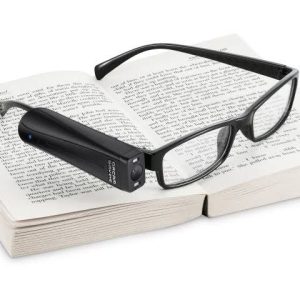
👓 OrCam MyEye is a small, AI-powered device that clips onto glasses and helps people with visual impairments by “reading” text and identifying objects, faces, and products aloud.

  • Key features:
    • Text reading: Reads printed and digital text from books, screens, signs, and labels.
    • Facial recognition: Learns and announces names of people.
    • Object and product identification: Recognizes everyday items and barcodes.
    • Color and money detection: Helps identify colors and currency notes.
    • Voice commands: Hands-free control for easy operation.
  • How it works: The device uses a smart camera and AI algorithms to interpret visual information and deliver it as audio through a tiny speaker.
  • Benefits:
    • Promotes independence for visually impaired users.
    • Portable and discreet.
    • Supports multiple languages.
B – SCAN

A B-scan ultrasound 👀 is a diagnostic test that uses sound waves to create images of the eye’s internal structures, especially the posterior segment.

Key uses

  • Retinal detachment: Shows if the retina is detached or torn.
  • Vitreous hemorrhage: Visualizes blood in the vitreous.
  • Tumors: Helps identify and measure eye tumors.
  • Foreign bodies: Locates objects inside the eye.
  • Trauma assessment: Evaluates damage when the eye’s hard to examine.

How it works

  1. Probe placement: Gel is applied; the probe is placed on the eyelid (closed or open).
  2. Sound waves: Echoes bounce off structures, creating images.
  3. Interpretation: Images show structures like the retina, vitreous, and orbit.

Types of scans

  • Axial scan: Shows structures along the eye’s axis.
  • Longitudinal scan: Images are taken in different meridians.

Tips

  • Painless and non-invasive.
  • Coupling gel is used for better contact.
  • Results are immediate.

MIRROR TEST

The mirror test 🪞 is a sneaky way to check if someone’s faking vision loss in one eye (malingering).

How it works

  1. Patient claims blindness in one eye.
  2. Place a mirror in front of them, angled to show their “blind” eye.
  3. Ask them to look straight ahead.
  4. Check if they react to their own reflection (e.g., blink, move, etc.).

What it shows

  • If they react to their reflection, it suggests the “blind” eye can see.
  • If they don’t react, could be malingering… or really blind 😅.

Tips

  • Casual setup: Make it seem like a normal exam step.
  • Distract them: Talk about something else while doing the test.
  • Combine with other tests for stronger evidence.

BANDAGE CONTACT LENSES

Bandage contact lenses are special soft lenses placed on the eye like a protective patch. They’re used after corneal injuries, surgeries, or infections to:

  • Promote healing: By covering the cornea, they protect it from blinking and eyelid friction.
  • Reduce pain: The lens acts as a barrier, decreasing discomfort.
  • Keep the eye moist: They help maintain a stable tear film over the cornea.

How they work:

  • Fit like a regular contact lens but are larger and more comfortable.
  • Made of high-oxygen-permeable materials so the cornea can still breathe.
  • Often used after procedures like corneal debridement, PRK, or for conditions like bullous keratopathy.

They’re usually prescribed by an eye doctor and worn for days to weeks depending on the condition.

CORNEA DEBRIDING

Corneal debridement is the careful removal of damaged, diseased, or infected tissue from the cornea. It’s a common procedure in eye care, especially for infections like fungal keratitis.

Why it’s done:

  • Improves drug penetration: Meds can reach deeper layers better.
  • Diagnostic: Tissue can be tested to identify the pathogen.
  • Therapeutic: Removes infected tissue to stop spread.

How it’s done:

  1. Numbing: Anesthetic eye drops are used to prevent pain.
  2. Sterile instruments: A spatula, blade, or cotton swab is used to gently scrape the cornea.
  3. Microscope guidance: Often done under a slit-lamp or operating microscope.
  4. Cleaning: After scraping, the area may be irrigated.
  5. Medication: Antifungal, antibacterial, or antiviral drops are applied afterward.

It’s usually quick (minutes) and done in a clinic or minor operating room.

CORNEA REPAIR

👨‍⚕️ Cornea repair refers to treatments for corneal damage or disease. Options include:

Methods:

  1. Corneal transplant: Replace damaged tissue
  2. Corneal graft: Transplant healthy tissue
  3. LASIK/PRK: Reshape cornea for vision correction
  4. Collagen cross-linking: Strengthen corneal tissue
  5. Amniotic membrane transplant: Promote healing

Indications:

  1. Corneal ulcers: Infection or injury
  2. Keratoconus: Progressive thinning
  3. Scarring: Visual impairment
  4. Injury: Trauma or chemical burns

Goals:

  1. Restore vision: Improve clarity
  2. Relieve pain: Manage symptoms
  3. Prevent complications: Infection or further damage