Eagleview Eye Clinic
DIETARY REQUIREMENTS FOR THE EYES

Dietary requirements for the eyes — what you eat directly affects your retina, lens, tear film, and optic nerve. Here’s the breakdown:

1. Omega-3 fatty acids: DHA & EPA

  • Why: DHA makes up 50-60% of fatty acids in your retina. Keeps photoreceptor cells flexible. EPA reduces eye surface inflammation
  • Sources: Salmon, mackerel, sardines, anchovies, fish oil supplements
  • Target: 2-3 servings fatty fish per week or 1000-2000 mg combined EPA+DHA daily
  • Benefits: Helps dry eye, meibomian gland function, may lower AMD risk

2. Lutein & Zeaxanthin

  • Why: These carotenoids form the macular pigment. Acts like “internal sunglasses” that filter harmful blue light
  • Sources: Kale, spinach, collard greens, egg yolks, corn, orange bell peppers
  • Target: 6-10 mg lutein + 2 mg zeaxanthin daily. AREDS2 used 10 mg + 2 mg
  • Benefits: Reduces risk of macular degeneration and cataracts

3. Vitamin A + Beta-carotene

  • Why: Vitamin A makes rhodopsin, the pigment your rods need for night vision. Deficiency = night blindness
  • Sources: Liver, dairy, eggs for preformed A. Carrots, sweet potatoes, pumpkin for beta-carotene
  • Target: 700-900 mcg RAE daily. Don’t overdo supplements because high dose vitamin A can be toxic
  • Benefits: Cornea health, night vision, prevents xerophthalmia

4. Vitamin C

  • Why: Antioxidant in the aqueous humor of your eye. Helps regenerate vitamin E and supports blood vessels
  • Sources: Oranges, guava, bell peppers, strawberries, broccoli
  • Target: 75-90 mg daily. AREDS used 500 mg for AMD patients
  • Benefits: Slows cataract progression, supports collagen in cornea/sclera

5. Vitamin E

  • Why: Protects eye cell membranes from oxidative damage
  • Sources: Almonds, sunflower seeds, avocado, wheat germ oil
  • Target: 15 mg daily. AREDS used 400 IU
  • Benefits: Works with vitamin C and zinc to slow AMD

6. Zinc

  • Why: Concentrated in retina and choroid. Helps vitamin A move from liver to retina to make melanin, a protective pigment
  • Sources: Oysters, beef, pumpkin seeds, cashews, beans
  • Target: 8-11 mg daily. AREDS2 used 80 mg zinc oxide, but high doses need copper added
  • Benefits: Critical for night vision and AMD risk reduction

7. Water & general hydration

  • Why: Your tear film is 98% water. Dehydration = worse dry eye
  • Target: About 2-3 L fluid daily depending on climate and activity
  • Benefits: Better tear volume, less gritty eyes

8. Other helpful nutrients

  • Vitamin D: May reduce inflammation in dry eye and AMD. Source: Sun, fatty fish, fortified milk
  • B vitamins: B2, B6, B12, folate help lower homocysteine, linked to retinal vein issues
  • Selenium & Copper: Cofactors for antioxidant enzymes in the eye

Sample eye-friendly day

  • Breakfast: Eggs with spinach + orange
  • Lunch: Grilled sardines, kale salad, almonds
  • Snack: Carrot sticks + guava
  • Dinner: Sweet potato, baked salmon, broccoli

Key rule: Eat colorful. Dark green, orange, yellow, and red foods usually pack the carotenoids your eyes need.

DIETING AND THE EYES

Dieting is the practice of regulating food intake with the goal of weight loss, improving physical  condition or managing specific health conditions.

What you eat, how you eat? And when you eat have a major role in your eye health and your health in general.

There are specific vitamins and minerals our eyes require for optimum function, and there are regular food that contains such healthy nutrients.

Today we will be talking extensively on some common food sources and how they impact our eyes. We will place less emphasis on the specific vitamins and minerals inorder for this topic to sink in easily.

What are the common food sources that are required for healthy visual function?

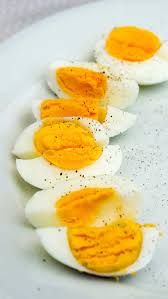
1. EGGS: eggs are very rich in lots of minerals and vitamins. Consistent intake of eggs helps prevent conditions like age related macular degeneration, choroidal degeneration

2. ORANGES AND GRAPES: These  sources of food are highly rich in antioxidants. Consuming these regularly helps in preventing cell death and reducing Glaucoma.

3. BEANS AND GBEGIRI: These food sources have high zinc content, hence they help in mental alertness, brain function and they also boost cornea health.

4. CARROT: carrots are very rich in vitamin A which is good for night vision, and also help reducing damages from the condition called retinitis pigmentosa.

5. FISH AND SEAFOOD: fishes and seafood are very rich in zinc and for this they help in brain function and ensuring a healthy cornea for the consumer. Fishes and seafood are also rich in vitamin A, leutin and zeanthin, so consuming fishes and seafood will go a long way for your visual health.

Other food sources that are necessary for healthy eyes are vegetables,  palm oil, broccoli, kale, et.c

HEALTHY DIET, HEALTHY LIFE….

Back in the days, our forefathers lived a more healthier life, They were stronger, had very good body built, and very healthy organs.

Our forefathers rarely fell sick. Conditions like cancer, Glaucoma, hepatitis, kidney problems, liver problems were strangers to them. But today conditions like the aforementioned are now next door neighbors to our generation. These days we have kids who are 10 years looking like they are 30 years already. The reason is not far fetched. Our diets are killing us.

Our fore fathers fed on natural food. their meals were very rich in fibres, protein and necessary vitamins and minerals. They ate their meal fresh and healthy. But today we consume meals that are processed and heavily ladened with chemical preservatives, even our cook wares  are made with materials that are carcinogenic. Do you still Wonder why we are not healthy?.

Let us go back to the old ways, let’s eat healthy meals,  let’s shun processed and genetically modified food. If we can, let’s grow most of our food in our homes.

HEALTH BENEFITS OF EGGS

Myths surrounding eggs have made lots of people stay away from this extremely rich and nutritional food.

Eggs are very rich in over 13 essential vitamins, Nine Amino acids, minerals, proteins antioxidants.

Health benefits includes :

1. The protein content of eggs makes it a solid build block of life, as it helps tissue and muscle repair.

2. Eggs are very rich in HDL which is extremely important for healthy heart.

3. The cholesterol content of egg makes it essential for the synthesis of vitamin D which is very good for strong bones and teeth

4. Eggs are very good for weight loss

5. Eggs by virtue of it’s choline content is very good for the liver.

6. Eggs are rich in powerful antioxidants like lutein, xeanthine, vitamin A, making it a very good dietary supplement for healthy eyes.

7. Eggs are very good for anti – aging by virtue of its vitamin E content.

8. Eggs helps boost mental health.

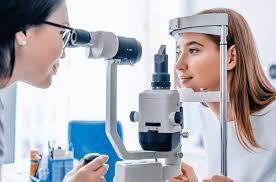
IMPORTANCE OF FOLLOW UP VISITS

Medical follow up are the appointment schedules given by the doctor to patients with existing conditions after their first consultation and treatment. 

This is to follow up on patients and their existing eye conditions, to ascertain if the eyes are better or not, or  if there is need for change in medication or not.

And most patients disregard this step and do not see the need to go back or honor their appointment with the doctor. Once they stop feeling that pain or itch, ” they are done with the doctor”  even when they have not been discharged by the doctor.

Some assume that once they are already using glasses, that is the end, the issue is resolved.

Little do they know that their prescription can change and they either have to stop using the glasses or change their prescription.

Some even feel the doctor is after their money or that the doctor might prescribe more drugs for them, which they deem not necessary. After all the pain, itch or ache is gone .

And in most cases, a good number of these people return to the clinic with the same or a more serious ailment.

It is very important, also to be honest with the doctor when you go for your check ups and appointments. Dealing with eye challenges require utmost care leaving no stone unturned. Be transparent and open with the doctor when laying your complains and your pains.


Until you are cleared by the doctor, stick to that appointment and honor it. You can save yourself from unnecessary eyes issues by so doing and be rest assured that you have gotten a complete and full eyes treatment.


For the key to a healthy life is a healthy eyes.

Written by: Aigbenosadeba Victoria

The risk of neglecting Your eye health


Have you ever gotten a comprehensive eye examination before? 
The eyes are the most essential part of the human body. Without vision, the entire body is severely impaired.

A sociologist once said “ the society is a living organism” meaning that it consists of different interdependent parts.
Similarly human body can’t function properly with a non functional eyes.

Been Blind is like been in  complete darkness, unable to see or navigate. How would you function in such a state?

You see?, it’s crucial to get your eyes checked. If you notice the slightest discomfort in the eyes, don’t wait until it gets serious- get your eyes tested immediately.

Remember, “your eyes are the window to your soul” keep them clean and healthy.

Written by Adesoji Margaret

Tags :. Eye health, Eye Examination, Functional eyes

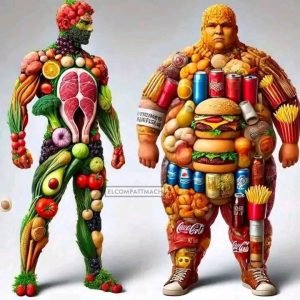
BAD FOOD CHOICES FOR THE EYES

Food is good. We all love food. But it is very sacrosanct for us to Note that just as we have healthy meal combo for topnotch visual performances, we also have very terrible food choices that grinds our eye efficiency to a halt.

Funny enough the bad stuffs even taste better and are terribly addictive because of how good they make us feel. But in the long run we are just putting a nail in the coffin of our soon to be dead eyes by consuming unhealthy food.

It is however important to note that some of the food listed below have no bad effect on  our eyes if taken in moderation.

Below are some of the food we should stay away from or reduce intake inorder to maintain perfect vision.

  1. Artificially sweetened drinks
  2. Alcohol
  3. Bread and pasta
  4. Hot dog and processed meat
  5. Canned food.
  6. Nigerian noodles
  7. Deep fried food
  8. Certain types of cooking oil

Tag :  Bad food, Healthy eyes, Eye Clinic, Eye doctor

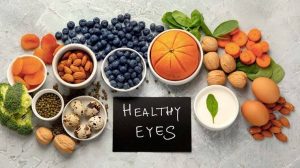
HEALTHY FOOD FOR THE EYES

For Our eyes to maintain optimum health and function effectively, they require a myriad of Nutrients and chemicals which can either be taken as supplements or from the food we consume.

While it is cool to focus on beautiful presentation and mind blowing taste when selecting food, we should not forget to take into cognizance the nutritional value of the arrays of our food choices.

Whatever food choice you make must have a very healthy combination of vitamin A, vitamin E, lutein, xeanthin, zinc et.c

Below are some food that are necessary for optimum visual function

  1. Fruits like carrot, berries, grapes et.c which are rich in vitamin A
  2. Veggies
  3. Dairies like egg yolk, milk which are rich in lutein and xeanthin
  4. Legumes like Beans
  5. Nuts.
  6. Fish
  7. Fresh palm oil

Tag : food, healthy,   Eyes, Optimum vision