Eagleview Eye Clinic

Tag keratitis

VIRAL CONJUNCTIVITIS

Viral keratitis = corneal infection caused by a virus (most often herpes simplex virus type 1). It’s a common cause of corneal inflammation and can lead to recurrent episodes.

Causes

  • Herpes simplex virus type 1 (HSV-1): Most common
  • Varicella-zoster virus (VZV): Shingles can affect the eye
  • Other viruses like adenovirus can cause keratitis too

Symptoms

  • Watery eyes
  • Eye pain or discomfort
  • Redness
  • Sensitivity to light (photophobia)
  • Blurred vision
  • Feeling of something in the eye
  • Sometimes tiny corneal ulcers or dendritic lesions (branching pattern)

Diagnosis

  • Slit-lamp exam: Look for typical dendritic ulcers with fluorescein stain
  • Viral PCR testing (corneal scraping) if needed

Treatment

  • Antivirals: Acyclovir ointment, ganciclovir gel, or oral antivirals for HSV
  • Steroids: May be used cautiously to reduce inflammation, but need monitoring
  • Supportive care: Lubricating eye drops for comfort

Complications

  • Recurrent episodes (HSV can hide in nerves and reactivate)
  • Corneal scarring → vision loss
  • Stromal keratitis (deeper corneal inflammation)

Prevention

  • Good hand hygiene
  • Avoid touching or rubbing eyes
  • Antiviral prophylaxis may be used for recurrent cases
FUNGAL KERATITIS

Fungal keratitis = infection of the cornea (the clear front part of the eye) caused by fungi. It’s less common than bacterial keratitis but can be more sneaky and harder to treat.

How it happens 🍄

  • Trauma with organic matter (tree branch, soil, plant material)
  • Contact lenses (especially if you wear them overnight or in dirty conditions)
  • Immunosuppression or chronic eye disease
  • Contaminated eye drops or solutions

Common culprits

  • Filamentous fungi: Fusarium, Aspergillus
  • Yeasts: Candida

Symptoms (often slower onset than bacterial)

  • Eye pain (can be severe)
  • Redness
  • Blurred or hazy vision
  • Sensitivity to light (photophobia)
  • Tearing or watery discharge
  • White, gray, or feathery corneal infiltrate (spot)

Diagnosis

  • Slit-lamp exam: Looks for typical fungal plaque or ulcer
  • Corneal scraping: Microscopy and culture to ID the fungus
  • Sometimes PCR testing for faster results

Treatment goals

  1. Kill the fungus
  2. Control inflammation
  3. Prevent complications (like scarring or perforation)

Treatment options

  • Topical antifungals: Natamycin 5% (gold standard for filamentous), Amphotericin B, Voriconazole drops
  • Oral antifungals: Voriconazole or Itraconazole for severe/deep cases
  • Debridement: Scrape infected tissue to improve drug penetration
  • Steroids: Controversial; used cautiously to control inflammation after fungal load is down

Complications if untreated

  • Corneal scarring → vision loss
  • Corneal perforation (hole in cornea)
  • Endophthalmitis (infection spreads inside the eye)

Prevention tips

  • Protect eyes in dusty/agricultural settings (goggles)
  • Proper contact lens hygiene (clean, replace solutions, no overnight wear unless approved)
  • Avoid rubbing eyes after injury; seek care ASAP
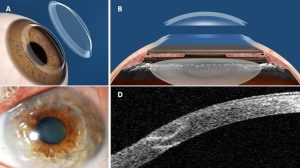
KERATOPLASTY

Keratoplasty or cornea grafting is a surgical procedure where a damaged cornea is replaced with a donated cornea tissue.

The cornea is the transparent outermost tissue of the eye over lapping the iris. Most people refer to the cornea as the black of the eye.

Conditions that can necessitate a cornea grafting include keratoconus, cornea decompensation, iridocornea endothelium syndrome, et.c

If the whole cornea is been replaced, then it is known as penetrating keratoplasty and if a part of the cornea is been replaced then it’s known as lamellar keratoplasty .

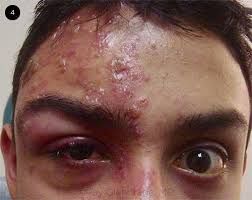
HERPES ZOSTER OPHTHALMICUS

This condition is simply shingles that involves the eyes and surrounding areas.

This condition is caused by reactivation of the varicella zoster virus in the trigeminal ganglion supplying the ophthalmic division of the trigeminal nerve.

Signs and symptoms includes characteristic rash on one side of the face, pain, itching, blurring vision and on rare cases keratitis.

Immunocompromised patients, patients who have had chicken pox in the past are at risk of contracting herpes zoster OPHTHALMICUS.

Treatment includes the use of antiviral tablets, and antiviral ointment, and anti- inflammatory drugs.

DRAGON’S SPIT: Eye infection

Infection is the presence of virus, bacteria or fungus in the body.


An eye infection is a disease that affects the eye due to virus, bacteria or a fungus.

Some common  eye infections are:
Cellulitis, conjunctivitis, keratitis, herpes, dacryocystitis et.c.


Some of these infections are highly contagious and need to be treated immediately to prevent them from spreading.

Can Eye Infections be Contracted?

Yes, eye infections can be contracted through various means, including:

– Touching your eyes with unwashed hands
– Sharing makeup or makeup brushes
– Not disinfecting contact lenses properly
– Coming into contact with someone who has an eye infection.

Signs of Eye Infection

How can you tell if you have an eye infection? Look out for these symptoms:

– Pain in the eye
– Increased sensitivity to light
– Colored discharge from the eyes
– Sore sensation on the iris

Can Eye Infections Lead to Blindness?

If left untreated, eye infections can cause permanent vision damage or even blindness. It’s essential to seek medical attention immediately if you experience any symptoms.

Precaution

– Visit an eye professional if you notice any signs of eye infection, such as itching, watery discharge, or vision changes.

Written by: Adesoji Margaret