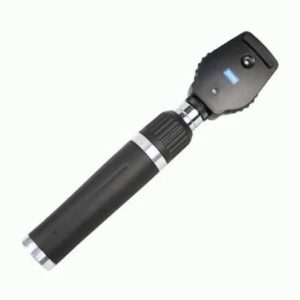
Ophthalmoscopy is a medical examination technique used to visualize the interior of the eye, particularly the retina, optic nerve, and macula. It involves using an ophthalmoscope to shine a light into the eye and magnify the reflected image, allowing healthcare professionals to assess the health of the eye and detect various eye conditions.
OPHTHALMOSCOPE
An ophthalmoscope is a medical device used to examine the interior of the eye, particularly the retina, optic nerve, and macula. It allows healthcare professionals to visualize the internal structures of the eye and diagnose various eye conditions.
Key Features of an Ophthalmoscope
- Magnification: Ophthalmoscopes provide magnified views of the eye’s internal structures.
- Illumination: They use a light source to illuminate the eye, allowing for clear visualization.
- Adjustable settings: Many ophthalmoscopes have adjustable settings for different pupil sizes, refractive errors, and examination techniques.
Uses of an Ophthalmoscope
- Eye exams: Ophthalmoscopes are essential tools for comprehensive eye exams.
- Diabetic retinopathy screening: They help detect and monitor diabetic retinopathy.
- Retinal disease diagnosis: Ophthalmoscopes aid in diagnosing and monitoring various retinal diseases, such as age-related macular degeneration.
- Optic nerve evaluation: They allow for examination of the optic nerve head and detection of conditions like glaucoma.
Types of Ophthalmoscopes
- Direct ophthalmoscope: A handheld device that provides a direct view of the retina.
- Indirect ophthalmoscope: Uses a condensing lens to provide a wider view of the retina.
- Fundus camera: A specialized camera that captures images of the retina and other internal eye structures.
Ophthalmoscopes are crucial tools for eye care professionals, enabling them to diagnose and manage various eye conditions.