Eagleview Eye Clinic

Tag optic nerve diseases

OPTIC NERVE GLIOMA AND MENINGIOMA

Optic Nerve Glioma and Meningioma

Optic Nerve Glioma

  1. Type of tumor: Benign or low-grade tumor arising from glial cells
  2. Association: Often linked to neurofibromatosis type 1 (NF1)
  3. Symptoms: Vision loss, proptosis (bulging eye), or optic nerve damage

Meningioma

  1. Type of tumor: Typically benign tumor arising from meninges (protective membranes around brain and spinal cord)
  2. Location: Can occur near optic nerve or other areas of the brain
  3. Symptoms: Vision loss, double vision, or other neurological symptoms

Treatment

  1. Monitoring: Regular imaging and eye exams
  2. Surgery: To remove tumor or relieve pressure
  3. Radiation therapy: In some cases

If you suspect an optic nerve glioma or meningioma, consult a neuro-ophthalmologist or neurosurgeon for proper diagnosis and treatment. Early detection is crucial for effective management.
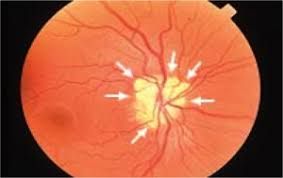
OPTIC DISC DRUSEN

Optic Disc Drusen

Optic disc drusen are:

  • Small, calcified deposits that accumulate in the optic disc
  • Can be congenital or develop over time
  • May cause visual field defects or optic nerve damage

Symptoms

  1. Visual field loss: Gradual loss of peripheral or central vision
  2. No symptoms: Often asymptomatic, discovered during routine eye exams

Diagnosis

  1. Fundus examination: Ophthalmoscopy or fundus photography
  2. Imaging tests: Ultrasound, CT, or OCT (optical coherence tomography)

Treatment

  1. Monitoring: Regular eye exams to track progression
  2. No treatment: Often not necessary, but addressing related conditions may be required

If you have optic disc drusen, consult an eye care professional for personalized advice and monitoring to preserve vision and eye health.