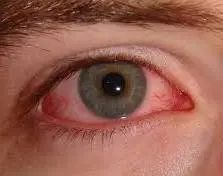
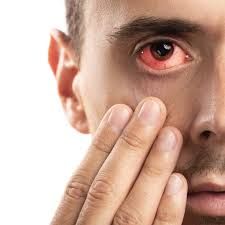
Fungal keratitis = infection of the cornea (the clear front part of the eye) caused by fungi. It’s less common than bacterial keratitis but can be more sneaky and harder to treat.
How it happens 🍄
- Trauma with organic matter (tree branch, soil, plant material)
- Contact lenses (especially if you wear them overnight or in dirty conditions)
- Immunosuppression or chronic eye disease
- Contaminated eye drops or solutions
Common culprits
- Filamentous fungi: Fusarium, Aspergillus
- Yeasts: Candida
Symptoms (often slower onset than bacterial)
- Eye pain (can be severe)
- Redness
- Blurred or hazy vision
- Sensitivity to light (photophobia)
- Tearing or watery discharge
- White, gray, or feathery corneal infiltrate (spot)
Diagnosis
- Slit-lamp exam: Looks for typical fungal plaque or ulcer
- Corneal scraping: Microscopy and culture to ID the fungus
- Sometimes PCR testing for faster results
Treatment goals
- Kill the fungus
- Control inflammation
- Prevent complications (like scarring or perforation)
Treatment options
- Topical antifungals: Natamycin 5% (gold standard for filamentous), Amphotericin B, Voriconazole drops
- Oral antifungals: Voriconazole or Itraconazole for severe/deep cases
- Debridement: Scrape infected tissue to improve drug penetration
- Steroids: Controversial; used cautiously to control inflammation after fungal load is down
Complications if untreated
- Corneal scarring → vision loss
- Corneal perforation (hole in cornea)
- Endophthalmitis (infection spreads inside the eye)
Prevention tips
- Protect eyes in dusty/agricultural settings (goggles)
- Proper contact lens hygiene (clean, replace solutions, no overnight wear unless approved)
- Avoid rubbing eyes after injury; seek care ASAP