Eagleview Eye Clinic

Tag retinal pigment epithelium disease

RETINAL PIGMENT EPITHELIUM

The Retinal Pigment Epithelium (RPE) is a layer of pigmented cells in the retina. Key functions:

  1. Light absorption: Absorbs stray light, reducing scatter and improving visual acuity.
  2. Photoreceptor maintenance: Provides nutrients and waste removal for photoreceptors.
  3. Blood-retina barrier: Regulates the exchange of substances between the choroid and retina.
  4. Retinal health: Plays a role in retinal development, maintenance, and repair.

The RPE is essential for maintaining the health and function of photoreceptors and the retina as a whole. Dysfunction or degeneration of the RPE can lead to retinal diseases, such as age-related macular degeneration (AMD).
PROLIFERATIVE VITREORETINOPATHY

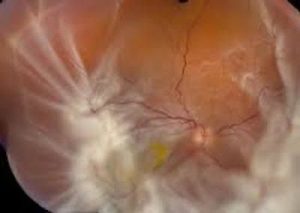
Proliferative Vitreoretinopathy (PVR)

Proliferative vitreoretinopathy (PVR) is a:

  • Complication of retinal detachment or eye injury
  • Characterized by:
    1. Scarring: Formation of fibrotic membranes in the vitreous and retina
    2. Retinal traction: Contraction of scar tissue, leading to retinal detachment or vision loss

Causes

  1. Retinal detachment: Previous detachment or surgery
  2. Eye injury: Trauma or inflammation

Treatment

  1. Surgery: Vitrectomy and membrane peeling to remove scar tissue
  2. Complex retinal surgery: May require multiple procedures

If you have PVR, consult a retina specialist for personalized advice and treatment to manage the condition and preserve vision.

FUNDUS ALBIPUNCTATUS

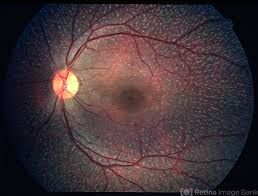
Fundus Albipunctatus

Fundus albipunctatus is a:

  • Rare, inherited condition affecting the retina
  • Characterized by:
    1. White or yellowish dots: In the retina
    2. Night blindness: Difficulty seeing in low light
    3. Variable visual impairment: May experience reduced vision

Causes

  1. Genetic mutation: Affecting the RDH5 gene

Treatment

  1. No cure: Currently, no cure available
  2. Supportive care: Regular eye exams, low vision aids

If you have fundus albipunctatus, consult an eye care professional or retina specialist for personalized advice and support to manage vision loss.

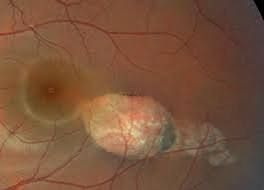
TORPEDO MACULOPATHY

Torpedo Maculopathy

Torpedo maculopathy is a:

  • Rare, congenital condition affecting the macula
  • Characterized by a distinctive “torpedo-shaped” lesion

Symptoms

  1. Vision loss: Variable, often mild to moderate
  2. Visual field defects: Blind spots or distorted vision

Characteristics

  1. Lesion shape: Torpedo-shaped or oval-shaped lesion in the macula
  2. Retinal pigment epithelium (RPE) changes: Abnormalities in the RPE layer

Treatment

  1. Monitoring: Regular eye exams to track progression
  2. No treatment: Often not necessary, but low vision aids may be helpful

If you have torpedo maculopathy, consult an eye care professional or retina specialist for personalized advice and monitoring to preserve vision.