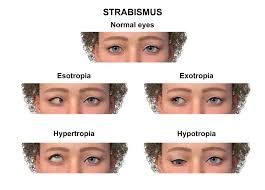
👓 Strabismus can impact various aspects of an individual’s quality of life, depending on factors like the severity of the condition, age of onset, and how it’s managed.
Potential Effects on Quality of Life
- Vision and depth perception: Strabismus can affect how well the eyes work together, potentially impacting depth perception, visual clarity, or causing double vision in some cases.
- Self-esteem and social interactions: Especially in children or teens, noticeable eye misalignment might affect self-confidence or interactions with peers.
- Daily activities: Depending on the severity, strabismus might impact activities like reading, driving, or tasks requiring precise eye coordination.
- Treatment and management: Some individuals might need glasses, patches, exercises, or surgery, which can influence daily routines or emotional well-being.
Varied Experiences
- Adaptation and coping: Many people adapt to strabismus or learn to manage its effects on their daily lives.
- Treatment outcomes: With proper management or treatment, many individuals with strabismus lead lives with minimal impact on their overall quality of life