Eagleview Eye Clinic

Tag visual acuity

VISUAL ACUITY

Visual acuity refers to the sharpness and clarity of vision, measured by the ability to identify objects or patterns at a standard distance. It’s a crucial aspect of eye health and can be affected by various factors, including refractive errors, eye diseases, and age-related conditions.

Measurement of Visual Acuity

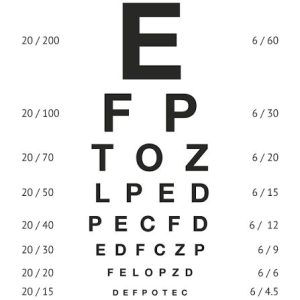
Visual acuity is typically measured using:

  • Snellen Chart: A standardized chart with letters or symbols of varying sizes, used to assess distance vision.
  • LogMAR Chart: A chart that measures visual acuity based on the logarithm of the minimum angle of resolution.

Factors Affecting Visual Acuity

  • Refractive Errors: Myopia (nearsightedness), hyperopia (farsightedness), and astigmatism can all impact visual acuity.
  • Eye Diseases: Conditions like cataracts, glaucoma, and age-related macular degeneration can affect visual acuity.
  • Age: Visual acuity can decline with age due to natural aging processes or age-related eye diseases.
  • Injuries or Trauma: Eye injuries or trauma can impact visual acuity.

Importance of Visual Acuity

  • Daily Activities: Visual acuity is essential for tasks like reading, driving, and recognizing faces.
  • Quality of Life: Good visual acuity can significantly impact overall quality of life and independence.
  • Early Detection: Regular eye exams can help detect visual acuity problems and underlying eye conditions, allowing for timely treatment and management.
VISUAL ACUITY

Visual acuity refers to the sharpness and clarity of vision, measured by the ability to identify objects or patterns at a standard distance. It’s a crucial aspect of eye health and can be affected by various factors, including refractive errors, eye diseases, and age-related conditions.

Measurement of Visual Acuity

Visual acuity is typically measured using:

  • Snellen Chart: A standardized chart with letters or symbols of varying sizes, used to assess distance vision.
  • LogMAR Chart: A chart that measures visual acuity based on the logarithm of the minimum angle of resolution.

Factors Affecting Visual Acuity

  • Refractive Errors: Myopia (nearsightedness), hyperopia (farsightedness), and astigmatism can all impact visual acuity.
  • Eye Diseases: Conditions like cataracts, glaucoma, and age-related macular degeneration can affect visual acuity.
  • Age: Visual acuity can decline with age due to natural aging processes or age-related eye diseases.
  • Injuries or Trauma: Eye injuries or trauma can impact visual acuity.

Importance of Visual Acuity

  • Daily Activities: Visual acuity is essential for tasks like reading, driving, and recognizing faces.
  • Quality of Life: Good visual acuity can significantly impact overall quality of life and independence.
  • Early Detection: Regular eye exams can help detect visual acuity problems and underlying eye conditions, allowing for timely treatment and management.

VISUAL ACUITY

Visual acuity refers to the sharpness and clarity of vision, measured by the ability to identify objects or patterns at a standard distance. It’s a crucial aspect of eye health and can be affected by various factors, including refractive errors, eye diseases, and age-related conditions.

Measurement of Visual Acuity

Visual acuity is typically measured using:

  • Snellen Chart: A standardized chart with letters or symbols of varying sizes, used to assess distance vision.
  • LogMAR Chart: A chart that measures visual acuity based on the logarithm of the minimum angle of resolution.

Factors Affecting Visual Acuity

  • Refractive Errors: Myopia (nearsightedness), hyperopia (farsightedness), and astigmatism can all impact visual acuity.
  • Eye Diseases: Conditions like cataracts, glaucoma, and age-related macular degeneration can affect visual acuity.
  • Age: Visual acuity can decline with age due to natural aging processes or age-related eye diseases.
  • Injuries or Trauma: Eye injuries or trauma can impact visual acuity.

Importance of Visual Acuity

  • Daily Activities: Visual acuity is essential for tasks like reading, driving, and recognizing faces.
  • Quality of Life: Good visual acuity can significantly impact overall quality of life and independence.
  • Early Detection: Regular eye exams can help detect visual acuity problems and underlying eye conditions, allowing for timely treatment and management.
VISUAL ACUITY

Visual acuity refers to the sharpness and clarity of vision, measured by the ability to identify objects or patterns at a standard distance. It’s a crucial aspect of eye health and can be affected by various factors, including refractive errors, eye diseases, and age-related conditions.

Measurement of Visual Acuity

Visual acuity is typically measured using:

  • Snellen Chart: A standardized chart with letters or symbols of varying sizes, used to assess distance vision.
  • LogMAR Chart: A chart that measures visual acuity based on the logarithm of the minimum angle of resolution.

Factors Affecting Visual Acuity

  • Refractive Errors: Myopia (nearsightedness), hyperopia (farsightedness), and astigmatism can all impact visual acuity.
  • Eye Diseases: Conditions like cataracts, glaucoma, and age-related macular degeneration can affect visual acuity.
  • Age: Visual acuity can decline with age due to natural aging processes or age-related eye diseases.
  • Injuries or Trauma: Eye injuries or trauma can impact visual acuity.

Importance of Visual Acuity

  • Daily Activities: Visual acuity is essential for tasks like reading, driving, and recognizing faces.
  • Quality of Life: Good visual acuity can significantly impact overall quality of life and independence.
  • Early Detection: Regular eye exams can help detect visual acuity problems and underlying eye conditions, allowing for timely treatment and management.
VISUAL ACUITY

Visual acuity refers to the sharpness and clarity of vision, measured by the ability to identify objects or patterns at a standard distance. It’s a crucial aspect of eye health and can be affected by various factors, including refractive errors, eye diseases, and age-related conditions.

Measurement of Visual Acuity

Visual acuity is typically measured using:

  • Snellen Chart: A standardized chart with letters or symbols of varying sizes, used to assess distance vision.
  • LogMAR Chart: A chart that measures visual acuity based on the logarithm of the minimum angle of resolution.

Factors Affecting Visual Acuity

  • Refractive Errors: Myopia (nearsightedness), hyperopia (farsightedness), and astigmatism can all impact visual acuity.
  • Eye Diseases: Conditions like cataracts, glaucoma, and age-related macular degeneration can affect visual acuity.
  • Age: Visual acuity can decline with age due to natural aging processes or age-related eye diseases.
  • Injuries or Trauma: Eye injuries or trauma can impact visual acuity.

Importance of Visual Acuity

  • Daily Activities: Visual acuity is essential for tasks like reading, driving, and recognizing faces.
  • Quality of Life: Good visual acuity can significantly impact overall quality of life and independence.
  • Early Detection: Regular eye exams can help detect visual acuity problems and underlying eye conditions, allowing for timely treatment and management.
SIMPLE SELF EYE TEST

Every morning on waking up you should cover your left eye with your left palm and look at something far away with your right eye for 30 seconds.

After that switch and cover your right eye with your right palm while looking at something far away with your left eye for 30 Seconds.

This simple test will expose any declining visual function on any of the eye before it becomes a huge mess.