Eagleview Eye Clinic

All posts by Admin

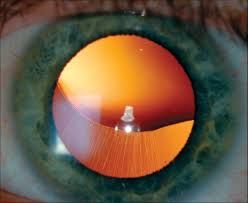
ETOPIA LENTIS

Ectopia Lentis

Ectopia lentis is a rare condition where the lens of the eye is displaced or malpositioned. This can occur due to various reasons, including:

Causes

  1. Trauma: Blunt or penetrating eye injury can cause the lens to become dislocated.
  2. Genetic conditions: Certain genetic disorders, such as Marfan syndrome, Ehlers-Danlos syndrome, or homocystinuria, can increase the risk of ectopia lentis.
  3. Weakening of the zonular fibers: The zonular fibers hold the lens in place. Weakening or damage to these fibers can cause the lens to become dislocated.

Symptoms

  1. Blurred vision: Displacement of the lens can cause vision problems.
  2. Double vision: Ectopia lentis can cause double vision or ghosting.
  3. Eye pain: In some cases, ectopia lentis can cause eye pain or discomfort.

Treatment

  1. Surgery: Surgical repositioning or removal of the lens may be necessary.
  2. Corrective lenses: Glasses or contact lenses may be prescribed to correct vision problems.

If you suspect you have ectopia lentis or are experiencing symptoms, consult an eye doctor for proper diagnosis and treatment.
CORNEA DYSTROPHIES

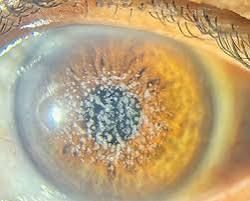
Corneal Dystrophy

Corneal dystrophy is a group of genetic eye disorders that affect the cornea, leading to progressive vision loss. It’s characterized by:

  1. Abnormal corneal changes: Clouding, thinning, or scarring of the cornea.
  2. Gradual vision loss: Vision becomes increasingly blurred or distorted.
  3. Inherited: Often passed down through families.

Types include Fuchs’ dystrophy, keratoconus, and others.

Treatment may involve medication, surgery, or corneal transplant.

Regular eye exams are essential for monitoring and managing the condition.

CORNEA SCAR

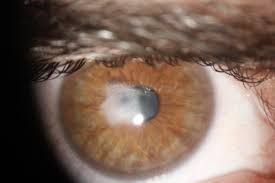
A corneal scar is an opacity or mark on the cornea, often caused by injury, infection, or surgery, affecting vision and potentially causing blurred or distorted vision.
Treatment options for corneal scars depend on the severity and location of the scar. They may include:


Treatment options for corneal scars depend on the severity and location of the scar. They may include:

1. Observation: Monitoring the scar for changes.


2. Medications: Using topical medications to reduce inflammation.


3. Corneal scraping or smoothing: Removing or smoothing the scar tissue.


4. Phototherapeutic keratectomy (PTK): Using laser treatment to remove scar tissue.


5. Corneal transplant: Replacing the damaged cornea with a donor cornea.

CORNEA EROSION

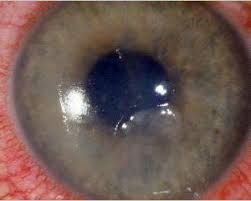
Corneal erosion is a condition where the outer layer of the cornea (epithelium) loosens or falls off, often causing pain, blurred vision, and sensitivity to light.

It can be caused by trauma, dry eye, or certain corneal conditions.

Treatment typically involves lubricating eye drops and, in some cases, bandage contact lenses or surgery.

LEIYOMYOMA

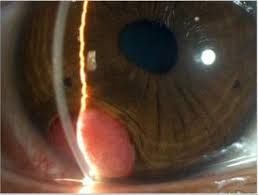
Leiomyoma is a rare, benign tumor that originates from smooth muscle cells.

In the context of the eye, it can occur in the iris. It typically presents as a well-defined, vascularized mass.

Symptoms may include blurred vision or changes in the appearance of the iris.

Treatment usually involves surgical removal.

IRIS STROMAL CYSTS

Iris stromal cysts are benign, fluid-filled growths that occur within the iris stroma, the front layer of the iris.

They can be primary (congenital) or secondary (acquired, often due to trauma or surgery).

Symptoms may include blurred vision, eye pain, or noticeable changes in the iris. Treatment usually involves monitoring or surgical removal if the cyst causes significant issues.

ENDOPTHAMITIS

ENDOPTHAMITIS

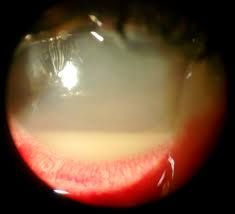
Endophthalmitis is a severe inflammation of the interior of the eye, usually caused by infection.

It can occur after eye surgery, eye trauma, or from an infection elsewhere in the body that spreads to the eye.

Symptoms may include:

– Severe eye pain
– Redness and swelling
– Vision loss
– Discharge or pus
– Sensitivity to light

If left untreated, endophthalmitis can lead to permanent vision loss or even loss of the eye. Prompt medical attention is essential if symptoms occur.

It can be treated by

– 1. travitreal antibiotics: Injecting antibiotics directly into the eye to target the infection

-2. Systemic antibiotics: Administering antibiotics orally or intravenously to support treatment

– 3. Vitrectomy:  Surgical removal of infected vitreous gel to reduce inflammation and prevent further damage


–  4. Steroids: May be used to reduce inflammation, but with caution and under close monitoring

Early diagnosis and aggressive treatment are crucial to preserving vision and preventing complications.

CHORIORETINITIS SCLOPETARIA

One of the eye problems that can occur as a result of trauma from high velocity objects is chorioretinitis sclopetaria.

Chorioretinitis sclopetaria is a condition whereby the choroid ( third layer of the uvea, which supplies blood and nutrient to retina and other area) and the retina (the vision house of the eye) gets ruptured due to trauma from high velocity objects.

This damage is as a result of transmitted sound waves from impact without the object penetrating the eyes.

Signs and symptoms includes visual reduction, pain, et.c

Treatment may require surgical intervention.

IRIDOCYCLITIS

Iridocyclitis is an inflammation of the iris and ciliary body.

Causes are usually idiopathic in nature. But most times  it could be as a result of autoimmune conditions, infection or even trauma.

Signs and symptoms includes pains, red eyes, blurry vision, light sensitivity etc..

Delay in treatment can result in angle closure glaucoma, irregular pupil and vision loss.

Treatment is usually a combination of anticholinergic drugs and steroids.