Eagleview Eye Clinic

All posts by Admin

DARK EYE CIRCLES

Dark eye circles 👀🖤 can be tricky. Here’s the lowdown:

Causes:

  1. Thin skin: Shows underlying blood vessels
  2. Allergies: Histamines cause swelling
  3. Fatigue: Lack of sleep shows!
  4. Genetics: Some skin tones show darker circles
  5. Aging: Skin loses collagen

Fixes & hacks:

  1. Sleep: Aim for 7-9 hrs 💤
  2. Cold compress: Shrink those vessels ❤️‍🩹
  3. Concealer: Quick cover-up 💄
  4. Allergy meds: If allergies are the culprit 🤧
  5. Eye creams: With retinol or vitamin K 🌿

EYE BAGS

😴 Eyebags are those pesky puffy areas under your eyes 👀

What causes ’em?

  1. Fluid retention: Salt, allergies, or hormones
  2. Lack of sleep: Hello, tired eyes 🛋️
  3. Genetics: Blame your parents 😂
  4. Aging: Skin loses elasticity over time

How to tackle?

  1. Cold compress: Reduce puffiness ❤️‍🩹
  2. Get sleep: Catch those Z’s 😴
  3. Cucumber slices: Soothe and refresh 🥒
  4. Tea bags: Caffeine can help constrict 🍵
ZINC ION

👨‍⚕️ Zinc ion (Zn²⁺) is an essential mineral.

Key points:

  1. Biological role: Enzyme function and protein synthesis
  2. Immune support: Helps fight infections
  3. Wound healing: Supports tissue repair

Eye health connection:

  1. Age-related macular degeneration: May help slow progression
  2. Night vision: Zinc supports retina health
  3. Dry eyes: Zinc supplements may help symptoms

Sources:

  1. Diet: Oysters, beef, chicken, nuts, and seeds
  2. Supplements: Zinc gluconate or zinc sulfate
VITAMIN A CAPSULES

Vitamin capsules are dietary supplements containing essential vitamins and minerals.

Key points:

  1. Multivitamins: Combine various vitamins and minerals
  2. Specific formulations: Targeted benefits (e.g., eye health)
  3. Bioavailability: Varies depending on formulation

Common ingredients:

  1. Vitamin A: Supports vision and immune function
  2. Vitamin C: Antioxidant properties
  3. Vitamin E: Protects cells from damage

Eye health support:

  1. Lutein and zeaxanthin: Protect macula
  2. Vitamin A: Supports retina health
  3. Omega-3 fatty acids: Supports eye health
SALACYN EYEDROPS

Salacyn 5% Eye Drops are essentially concentrated salt (sodium chloride) used for the temporary relief of swollen eyes (corneal edema) by drawing excess fluid out of the cornea. They are a prescription medication, often causing mild stinging initially, and typically applied as 1-2 drops every 3-4 hours as directed by a doctor, helping to clear the fluid via tears. 

Key Details:

  • Active Ingredient: Sodium Chloride (Salt).
  • Purpose: Reduces corneal swelling (edema) by creating a hypertonic solution that pulls fluid out of the eye.
  • How it Works: The high salt concentration draws water from the swollen cornea into the tear film, which is then shed, reducing swelling and improving vision.
  • Dosage: Usually 1 to 2 drops in the affected eye(s) every 3 to 4 hours, or as prescribed.
  • Common Sensation: Mild stinging or burning is normal upon application but usually subsides quickly.
  • Availability: Prescription-only (POM) in many regions, manufactured by companies like Ashford Laboratories.
  • Usage: Do not touch the tip of the dropper to any surface to prevent contamination; keep the cap tightly closed. 

Important Considerations:

  • Consult a Doctor: Always use under professional guidance; your doctor needs to confirm it’s the right treatment for your specific condition.
  • Symptoms: If symptoms don’t improve or worsen, contact your eye doctor.
  • Serious Side Effects: Rare but contact your doctor if you experience severe allergic reactions (hives, swelling) or signs of salicylate toxicity (nausea, dizziness, hearing loss). 

CATALIN

👨‍⚕️ Catalin is a topical eye drop for cataract management.

Key points:

  1. Active ingredient: Sodium 1-hydroxy-5-oxo-5H-pyrido[3,2-a]phenoxazine-3-carboxylate
  2. Antioxidant properties: May reduce oxidative stress in the lens
  3. Usage: Instill 1-2 drops, 3-4 times daily

Potential benefits:

  1. Slows cataract progression: May help delay surgery
  2. Antioxidant effect: Protects lens proteins

Notes:

  1. Consult an eye doctor: For proper diagnosis and treatment
  2. Not a cure: Management tool
EYEBETSOL N

👨‍⚕️ Betamethasone is a corticosteroid.

Uses:

  1. Inflammation: Reduces swelling and redness
  2. Allergies: Treats allergic reactions
  3. Eye conditions: Uveitis, scleritis, or post-surgery inflammation

Eye-related uses:

  1. Post-operative care: Reduces inflammation
  2. Uveitis: Treats eye inflammation
  3. Scleritis: Manages scleral inflammation

Forms:

  1. Eye drops: Topical application
  2. Injections: Periocular or intravitreal
Slow-k

👨‍⚕️ SLOW K is a potassium supplement.

Uses:

  1. Potassium deficiency: Treats or prevents low levels
  2. Hypokalemia: Manages low potassium
  3. Diuretic therapy: Replenishes potassium

Eye-related connection:

  1. Glaucoma treatment: Sometimes used with other meds

Notes:

  1. Monitor levels: Regular blood tests
  2. GI side effects: Nausea, vomiting, or diarrhea
DIAMOX

👨‍⚕️ Diamox (Acetazolamide) is a carbonic anhydrase inhibitor.

Uses:

  1. Glaucoma: Reduces intraocular pressure
  2. Edema: Treats fluid retention
  3. Altitude sickness: Prevents and treats symptoms
  4. Epilepsy: Adjunct therapy

Eye-related uses:

  1. Iocular pressure reduction: Glaucoma treatment
  2. Cystoid macular edema: Treats fluid buildup

Side effects:

  1. Numbness/tingling: Hands, feet, or face
  2. Dizziness: May affect daily activities
  3. Increased urination: Monitor hydration
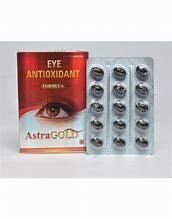
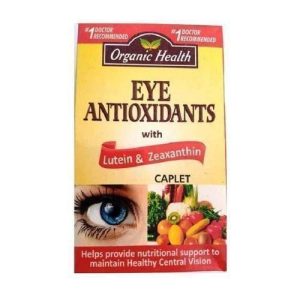
EYE ANTIOXIDANTS

👨‍⚕️ Eye antioxidants help protect eyes from oxidative stress and damage.

Key antioxidants:

  1. Lutein: Found in retina, filters blue light
  2. Zeaxanthin: Protects macula
  3. Vitamin C: Supports collagen production
  4. Vitamin E: Protects cell membranes
  5. Zinc: Essential for retina health

Benefits:

  1. AMD prevention: Reduces risk
  2. Cataract prevention: May slow progression
  3. Eye health: Supports overall vision

Food sources:

  1. Leafy greens: Spinach, kale
  2. Colorful fruits: Berries, citrus
  3. Nuts and seeds: Almonds, sunflower seeds
  4. Fatty fish: Salmon, tuna