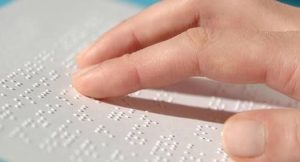
Braille is a tactile writing system used by people who are blind or have low vision. It consists of raised dots that are read by touch, allowing individuals to access written information independently.
History of Braille
- Developed by Louis Braille: In 1824, Louis Braille, a French educator, created the braille system as a means of communication for the blind.
- Evolution of Braille: Over the years, braille has undergone changes and improvements, including the development of Grade 2 and Grade 3 braille.
How Braille Works
- Braille Cells: Braille consists of cells with six raised dots, arranged in a 3×2 grid. Each cell represents a letter, word, or punctuation mark.
- Reading Braille: Braille readers move their fingers over the raised dots to recognize and interpret the text.
Types of Braille
- Grade 1 Braille: A basic, phonetic representation of text, often used for beginners.
- Grade 2 Braille: A more advanced, contracted form of braille, used for everyday reading and writing.
- Grade 3 Braille: A highly contracted form of braille, used for specialized purposes, such as academic or technical writing.
Braille in the Digital Age
- Braille Displays: Electronic devices that raise and lower braille dots to display digital text.
- Braille E-readers: Devices specifically designed for reading digital braille content.
- Braille Translation Software: Programs that convert print text to braille, making it easier to produce and access braille materials.
Importance of Braille
- Independence: Braille enables individuals who are blind or have low vision to read and write independently.
- Literacy: Braille is essential for literacy and education, providing access to written information and knowledge.
- Employment: Braille skills can enhance employment opportunities and career advancement.
Resources
- World Blind Union: An organization that promotes braille literacy and accessibility worldwide.
- Braille Institute: A resource center that provides braille materials, training, and support.
- Braille Authority: An organization that sets standards for braille usage and provides guidance on braille best practices.