Eagleview Eye Clinic

Category Eye Health Education

VISUAL FIELD ANALYSER

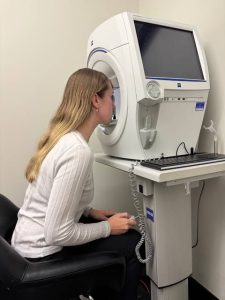
A Visual Field Analyzer is a medical device used to assess the sensitivity and coverage of a patient’s visual field. It maps out the field of vision, detecting any defects or abnormalities, particularly in peripheral vision.

Key Features:

  • Visual Field Testing: Measures the sensitivity of the retina in different locations.
  • Diagnostic Capabilities: Detects conditions like glaucoma, age-related macular degeneration, and other neurological disorders.
  • Variety of Tests: Offers different testing strategies, such as threshold and screening tests.

Types of Visual Field Analyzers:

  • Humphrey Field Analyzer 3 (HFA 3): Considered the gold standard, featuring Guided Progression Analysis and SITA Faster testing.
  • ObjectiveFIELD Analyzer: Uses multifocal pupillographic objective perimetry (mfPOP) for completely objective visual field assessment.
  • PalmScan VF2000: A wearable, portable analyzer with gaze tracking and customizable reports.
  • Easyfield VR: Utilizes virtual reality technology for visual field screenings and threshold exams.
  • Kowa AP-7000: Offers advanced diagnostic capabilities and high accuracy ¹ ² ³ ⁴.

Benefits:

  • Early Detection: Identifies visual field defects and conditions at an early stage.
  • Accurate Results: Provides reliable and reproducible results.
  • Patient Comfort: Some devices offer features like automated verbal instructions and gaze tracking for improved patient experience.

When selecting a Visual Field Analyzer, consider factors such as ⁵:

  • Measurement Accuracy: Look for devices with high accuracy and reliability.
  • Testing Strategies: Choose a device that offers a range of testing options.
  • Patient Comfort: Consider devices with features that improve patient experience.
  • Data Management: Ensure the device allows for easy data storage and analysis.
VISUAL FIELD ANALYSER

A Visual Field Analyzer is a medical device used to assess the sensitivity and coverage of a patient’s visual field. It maps out the field of vision, detecting any defects or abnormalities, particularly in peripheral vision.

Key Features:

  • Visual Field Testing: Measures the sensitivity of the retina in different locations.
  • Diagnostic Capabilities: Detects conditions like glaucoma, age-related macular degeneration, and other neurological disorders.
  • Variety of Tests: Offers different testing strategies, such as threshold and screening tests.

Types of Visual Field Analyzers:

  • Humphrey Field Analyzer 3 (HFA 3): Considered the gold standard, featuring Guided Progression Analysis and SITA Faster testing.
  • ObjectiveFIELD Analyzer: Uses multifocal pupillographic objective perimetry (mfPOP) for completely objective visual field assessment.
  • PalmScan VF2000: A wearable, portable analyzer with gaze tracking and customizable reports.
  • Easyfield VR: Utilizes virtual reality technology for visual field screenings and threshold exams.
  • Kowa AP-7000: Offers advanced diagnostic capabilities and high accuracy ¹ ² ³ ⁴.

Benefits:

  • Early Detection: Identifies visual field defects and conditions at an early stage.
  • Accurate Results: Provides reliable and reproducible results.
  • Patient Comfort: Some devices offer features like automated verbal instructions and gaze tracking for improved patient experience.

When selecting a Visual Field Analyzer, consider factors such as ⁵:

  • Measurement Accuracy: Look for devices with high accuracy and reliability.
  • Testing Strategies: Choose a device that offers a range of testing options.
  • Patient Comfort: Consider devices with features that improve patient experience.
  • Data Management: Ensure the device allows for easy data storage and analysis.
VISUAL FIELD ANALYSER

A Visual Field Analyzer is a medical device used to assess the sensitivity and coverage of a patient’s visual field. It maps out the field of vision, detecting any defects or abnormalities, particularly in peripheral vision.

Key Features:

  • Visual Field Testing: Measures the sensitivity of the retina in different locations.
  • Diagnostic Capabilities: Detects conditions like glaucoma, age-related macular degeneration, and other neurological disorders.
  • Variety of Tests: Offers different testing strategies, such as threshold and screening tests.

Types of Visual Field Analyzers:

  • Humphrey Field Analyzer 3 (HFA 3): Considered the gold standard, featuring Guided Progression Analysis and SITA Faster testing.
  • ObjectiveFIELD Analyzer: Uses multifocal pupillographic objective perimetry (mfPOP) for completely objective visual field assessment.
  • PalmScan VF2000: A wearable, portable analyzer with gaze tracking and customizable reports.
  • Easyfield VR: Utilizes virtual reality technology for visual field screenings and threshold exams.
  • Kowa AP-7000: Offers advanced diagnostic capabilities and high accuracy ¹ ² ³ ⁴.

Benefits:

  • Early Detection: Identifies visual field defects and conditions at an early stage.
  • Accurate Results: Provides reliable and reproducible results.
  • Patient Comfort: Some devices offer features like automated verbal instructions and gaze tracking for improved patient experience.

When selecting a Visual Field Analyzer, consider factors such as ⁵:

  • Measurement Accuracy: Look for devices with high accuracy and reliability.
  • Testing Strategies: Choose a device that offers a range of testing options.
  • Patient Comfort: Consider devices with features that improve patient experience.
  • Data Management: Ensure the device allows for easy data storage and analysis.
IMPACT OF GLAUCOMA ON THE QUALITY OF LIFE

Glaucoma significantly impacts the quality of life for those affected. Studies have shown that people with glaucoma experience ¹ ²:

  • Reduced Mobility: 60% of participants in one study couldn’t drive due to glaucoma-related vision loss, while others reported difficulty noticing things while walking or sitting in one place.
  • Emotional Distress: The psychosocial impact of glaucoma can lead to feelings of dependency and being a burden on family members, greatly affecting mental health.
  • Daily Activity Limitations: Patients experience difficulty reading, recognizing faces, and performing daily tasks due to progressive vision loss.
  • Poor General and Vision-Related Quality of Life: Monocular glaucoma patients have lower overall quality of life scores, with depression being a common comorbidity.
  • Financial Burden: Glaucoma patients, especially those in middle to low-income countries, may experience reduced monthly earnings due to limited mobility and job opportunities.

Factors Affecting Quality of Life:

  • Visual Acuity: The severity of vision loss directly impacts quality of life.
  • Female Gender: Women may experience a greater impact on their quality of life due to glaucoma.
  • Treatment Regimens: Surgical treatment and number of topical medications can negatively impact vision-related quality of life ² ³ ⁴.

Support and Resources:

  • Social welfare and psycho-social institutions can provide essential support for glaucoma patients.
  • Access to proper medical care, rehabilitation services, and counseling can help mitigate the impact of glaucoma on quality of life ¹.
IMPACT OF GLAUCOMA ON THE QUALITY OF LIFE

Glaucoma significantly impacts the quality of life for those affected. Studies have shown that people with glaucoma experience ¹ ²:

  • Reduced Mobility: 60% of participants in one study couldn’t drive due to glaucoma-related vision loss, while others reported difficulty noticing things while walking or sitting in one place.
  • Emotional Distress: The psychosocial impact of glaucoma can lead to feelings of dependency and being a burden on family members, greatly affecting mental health.
  • Daily Activity Limitations: Patients experience difficulty reading, recognizing faces, and performing daily tasks due to progressive vision loss.
  • Poor General and Vision-Related Quality of Life: Monocular glaucoma patients have lower overall quality of life scores, with depression being a common comorbidity.
  • Financial Burden: Glaucoma patients, especially those in middle to low-income countries, may experience reduced monthly earnings due to limited mobility and job opportunities.

Factors Affecting Quality of Life:

  • Visual Acuity: The severity of vision loss directly impacts quality of life.
  • Female Gender: Women may experience a greater impact on their quality of life due to glaucoma.
  • Treatment Regimens: Surgical treatment and number of topical medications can negatively impact vision-related quality of life ² ³ ⁴.

Support and Resources:

  • Social welfare and psycho-social institutions can provide essential support for glaucoma patients.
  • Access to proper medical care, rehabilitation services, and counseling can help mitigate the impact of glaucoma on quality of life ¹.
IMPACT OF GLAUCOMA ON THE QUALITY OF LIFE

Glaucoma significantly impacts the quality of life for those affected. Studies have shown that people with glaucoma experience ¹ ²:

  • Reduced Mobility: 60% of participants in one study couldn’t drive due to glaucoma-related vision loss, while others reported difficulty noticing things while walking or sitting in one place.
  • Emotional Distress: The psychosocial impact of glaucoma can lead to feelings of dependency and being a burden on family members, greatly affecting mental health.
  • Daily Activity Limitations: Patients experience difficulty reading, recognizing faces, and performing daily tasks due to progressive vision loss.
  • Poor General and Vision-Related Quality of Life: Monocular glaucoma patients have lower overall quality of life scores, with depression being a common comorbidity.
  • Financial Burden: Glaucoma patients, especially those in middle to low-income countries, may experience reduced monthly earnings due to limited mobility and job opportunities.

Factors Affecting Quality of Life:

  • Visual Acuity: The severity of vision loss directly impacts quality of life.
  • Female Gender: Women may experience a greater impact on their quality of life due to glaucoma.
  • Treatment Regimens: Surgical treatment and number of topical medications can negatively impact vision-related quality of life ² ³ ⁴.

Support and Resources:

  • Social welfare and psycho-social institutions can provide essential support for glaucoma patients.
  • Access to proper medical care, rehabilitation services, and counseling can help mitigate the impact of glaucoma on quality of life ¹.
IMPACT OF GLAUCOMA ON THE QUALITY OF LIFE

Glaucoma significantly impacts the quality of life for those affected. Studies have shown that people with glaucoma experience ¹ ²:

  • Reduced Mobility: 60% of participants in one study couldn’t drive due to glaucoma-related vision loss, while others reported difficulty noticing things while walking or sitting in one place.
  • Emotional Distress: The psychosocial impact of glaucoma can lead to feelings of dependency and being a burden on family members, greatly affecting mental health.
  • Daily Activity Limitations: Patients experience difficulty reading, recognizing faces, and performing daily tasks due to progressive vision loss.
  • Poor General and Vision-Related Quality of Life: Monocular glaucoma patients have lower overall quality of life scores, with depression being a common comorbidity.
  • Financial Burden: Glaucoma patients, especially those in middle to low-income countries, may experience reduced monthly earnings due to limited mobility and job opportunities.

Factors Affecting Quality of Life:

  • Visual Acuity: The severity of vision loss directly impacts quality of life.
  • Female Gender: Women may experience a greater impact on their quality of life due to glaucoma.
  • Treatment Regimens: Surgical treatment and number of topical medications can negatively impact vision-related quality of life ² ³ ⁴.

Support and Resources:

  • Social welfare and psycho-social institutions can provide essential support for glaucoma patients.
  • Access to proper medical care, rehabilitation services, and counseling can help mitigate the impact of glaucoma on quality of life ¹.
IMPACT OF GLAUCOMA ON THE QUALITY OF LIFE

Glaucoma significantly impacts the quality of life for those affected. Studies have shown that people with glaucoma experience ¹ ²:

  • Reduced Mobility: 60% of participants in one study couldn’t drive due to glaucoma-related vision loss, while others reported difficulty noticing things while walking or sitting in one place.
  • Emotional Distress: The psychosocial impact of glaucoma can lead to feelings of dependency and being a burden on family members, greatly affecting mental health.
  • Daily Activity Limitations: Patients experience difficulty reading, recognizing faces, and performing daily tasks due to progressive vision loss.
  • Poor General and Vision-Related Quality of Life: Monocular glaucoma patients have lower overall quality of life scores, with depression being a common comorbidity.
  • Financial Burden: Glaucoma patients, especially those in middle to low-income countries, may experience reduced monthly earnings due to limited mobility and job opportunities.

Factors Affecting Quality of Life:

  • Visual Acuity: The severity of vision loss directly impacts quality of life.
  • Female Gender: Women may experience a greater impact on their quality of life due to glaucoma.
  • Treatment Regimens: Surgical treatment and number of topical medications can negatively impact vision-related quality of life ² ³ ⁴.

Support and Resources:

  • Social welfare and psycho-social institutions can provide essential support for glaucoma patients.
  • Access to proper medical care, rehabilitation services, and counseling can help mitigate the impact of glaucoma on quality of life ¹.
IMPACT OF GLAUCOMA ON THE QUALITY OF LIFE

Glaucoma significantly impacts the quality of life for those affected. Studies have shown that people with glaucoma experience ¹ ²:

  • Reduced Mobility: 60% of participants in one study couldn’t drive due to glaucoma-related vision loss, while others reported difficulty noticing things while walking or sitting in one place.
  • Emotional Distress: The psychosocial impact of glaucoma can lead to feelings of dependency and being a burden on family members, greatly affecting mental health.
  • Daily Activity Limitations: Patients experience difficulty reading, recognizing faces, and performing daily tasks due to progressive vision loss.
  • Poor General and Vision-Related Quality of Life: Monocular glaucoma patients have lower overall quality of life scores, with depression being a common comorbidity.
  • Financial Burden: Glaucoma patients, especially those in middle to low-income countries, may experience reduced monthly earnings due to limited mobility and job opportunities.

Factors Affecting Quality of Life:

  • Visual Acuity: The severity of vision loss directly impacts quality of life.
  • Female Gender: Women may experience a greater impact on their quality of life due to glaucoma.
  • Treatment Regimens: Surgical treatment and number of topical medications can negatively impact vision-related quality of life ² ³ ⁴.

Support and Resources:

  • Social welfare and psycho-social institutions can provide essential support for glaucoma patients.
  • Access to proper medical care, rehabilitation services, and counseling can help mitigate the impact of glaucoma on quality of life ¹.
IMPACT OF GLAUCOMA ON THE QUALITY OF LIFE

Glaucoma significantly impacts the quality of life for those affected. Studies have shown that people with glaucoma experience ¹ ²:

  • Reduced Mobility: 60% of participants in one study couldn’t drive due to glaucoma-related vision loss, while others reported difficulty noticing things while walking or sitting in one place.
  • Emotional Distress: The psychosocial impact of glaucoma can lead to feelings of dependency and being a burden on family members, greatly affecting mental health.
  • Daily Activity Limitations: Patients experience difficulty reading, recognizing faces, and performing daily tasks due to progressive vision loss.
  • Poor General and Vision-Related Quality of Life: Monocular glaucoma patients have lower overall quality of life scores, with depression being a common comorbidity.
  • Financial Burden: Glaucoma patients, especially those in middle to low-income countries, may experience reduced monthly earnings due to limited mobility and job opportunities.

Factors Affecting Quality of Life:

  • Visual Acuity: The severity of vision loss directly impacts quality of life.
  • Female Gender: Women may experience a greater impact on their quality of life due to glaucoma.
  • Treatment Regimens: Surgical treatment and number of topical medications can negatively impact vision-related quality of life ² ³ ⁴.

Support and Resources:

  • Social welfare and psycho-social institutions can provide essential support for glaucoma patients.
  • Access to proper medical care, rehabilitation services, and counseling can help mitigate the impact of glaucoma on quality of life ¹.