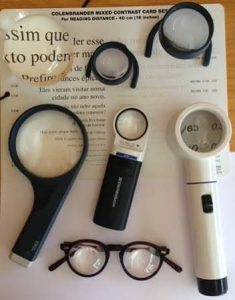
Functional blindness refers to a level of visual impairment that significantly impacts an individual’s daily life and ability to perform tasks. It is often characterized by severe visual loss, but the definition can vary depending on the context.
Key Aspects of Functional Blindness
- Severe Visual Loss: Functional blindness typically involves significant visual impairment, making it difficult to perform daily tasks without assistance.
- Impact on Daily Life: The visual impairment affects an individual’s ability to engage in everyday activities, such as reading, cooking, or navigating their environment.
- Adaptation and Assistance: Individuals with functional blindness often rely on assistive devices, techniques, or support from others to manage their daily lives.
Causes of Functional Blindness
- Eye Diseases: Conditions like glaucoma, macular degeneration, diabetic retinopathy, or cataracts can lead to functional blindness if left untreated or if treatment is not effective.
- Injury or Trauma: Severe eye injuries or trauma can result in significant visual impairment.
- Neurological Conditions: Certain neurological conditions, such as stroke or brain injury, can affect vision and lead to functional blindness.
Living with Functional Blindness
- Rehabilitation Services: Individuals with functional blindness can benefit from rehabilitation services, such as orientation and mobility training, to learn new skills and adapt to their environment.
- Assistive Technology: Various assistive devices and technologies, like screen readers, braille displays, or smart canes, can help individuals with functional blindness navigate their surroundings and perform tasks.
- Support Networks: Support from family, friends, and community resources plays a crucial role in helping individuals with functional blindness maintain their independence and quality of life.
.