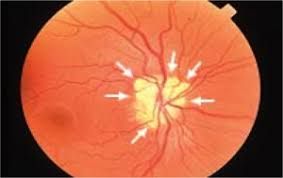
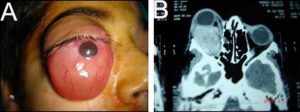
Type of tumor: Benign or low-grade tumor arising from glial cells
Association: Often linked to neurofibromatosis type 1 (NF1)
Symptoms: Vision loss, proptosis (bulging eye), or optic nerve damage
Meningioma
Type of tumor: Typically benign tumor arising from meninges (protective membranes around brain and spinal cord)
Location: Can occur near optic nerve or other areas of the brain
Symptoms: Vision loss, double vision, or other neurological symptoms
Treatment
Monitoring: Regular imaging and eye exams
Surgery: To remove tumor or relieve pressure
Radiation therapy: In some cases
If you suspect an optic nerve glioma or meningioma, consult a neuro-ophthalmologist or neurosurgeon for proper diagnosis and treatment. Early detection is crucial for effective management.
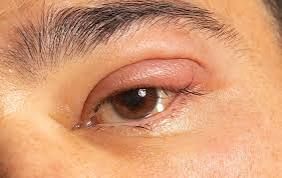
Dacryoadenitis is inflammation of the lacrimal gland, which can be:
Acute or chronic
Caused by infection, autoimmune disorders, or blockage
Symptoms
Swelling: Upper eyelid swelling, often on the outer side
Pain: Tenderness or pain in the area of the lacrimal gland
Redness: Inflammation of the eyelid
Excessive tearing: Or decreased tearing in chronic cases
Causes
Infections: Bacterial or viral
Autoimmune disorders: Such as sarcoidosis or Sjögren’s syndrome
Blockage: Of the lacrimal gland ducts
Treatment
Warm compresses: To relieve symptoms
Antibiotics: If bacterial infection is present
Anti-inflammatory medications: To reduce swelling and pain
Further testing: May be needed to determine underlying cause
If you have dacryoadenitis, consult an eye care professional for proper diagnosis and treatment to alleviate symptoms and address the underlying cause.
Dieting is the practice of regulating food intake with the goal of weight loss, improving physical condition or managing specific health conditions.
What you eat, how you eat? And when you eat have a major role in your eye health and your health in general.
There are specific vitamins and minerals our eyes require for optimum function, and there are regular food that contains such healthy nutrients.
Today we will be talking extensively on some common food sources and how they impact our eyes. We will place less emphasis on the specific vitamins and minerals inorder for this topic to sink in easily.
What are the common food sources that are required for healthy visual function?
1. EGGS: eggs are very rich in lots of minerals and vitamins. Consistent intake of eggs helps prevent conditions like age related macular degeneration, choroidal degeneration
2. ORANGES AND GRAPES: These sources of food are highly rich in antioxidants. Consuming these regularly helps in preventing cell death and reducing Glaucoma.
3. BEANS AND GBEGIRI: These food sources have high zinc content, hence they help in mental alertness, brain function and they also boost cornea health.
4. CARROT: carrots are very rich in vitamin A which is good for night vision, and also help reducing damages from the condition called retinitis pigmentosa.
5. FISH AND SEAFOOD: fishes and seafood are very rich in zinc and for this they help in brain function and ensuring a healthy cornea for the consumer. Fishes and seafood are also rich in vitamin A, leutin and zeanthin, so consuming fishes and seafood will go a long way for your visual health.
Other food sources that are necessary for healthy eyes are vegetables, palm oil, broccoli, kale, et.c
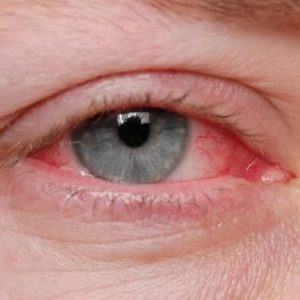
Irritant conjunctivitis is an inflammation of the conjunctiva (the thin membrane covering the white part of the eye and inside of the eyelids) caused by:
Exposure to irritants like chemicals, smoke, or dust
Allergens or foreign substances
Symptoms
Redness: Pink or red eyes
Itching or burning: Discomfort in the eyes
Discharge: Watery or sticky discharge
Sensitivity to light: Photophobia
Treatment
Avoid irritants: Remove or minimize exposure
Flush eyes: With water or saline solution
Artificial tears: To lubricate and soothe
Cool compresses: To reduce discomfort
If symptoms persist or worsen, consult an eye care professional for proper diagnosis and treatment.
Irritant conjunctivitis is an inflammation of the conjunctiva (the thin membrane covering the white part of the eye and inside of the eyelids) caused by:
Exposure to irritants like chemicals, smoke, or dust
Allergens or foreign substances
Symptoms
Redness: Pink or red eyes
Itching or burning: Discomfort in the eyes
Discharge: Watery or sticky discharge
Sensitivity to light: Photophobia
Treatment
Avoid irritants: Remove or minimize exposure
Flush eyes: With water or saline solution
Artificial tears: To lubricate and soothe
Cool compresses: To reduce discomfort
If symptoms persist or worsen, consult an eye care professional for proper diagnosis and treatment.
Lifestyle practices are daily life actions that we engage in daily.
Some lifestyle practices are good and are beneficial to the eyes and the reverse of these good practices poses serious threat to the eyes.
The following are some lifestyle practices and how they affect the eyes:
1. WEARING PROTECTIVE GOGGLES WHILE AT WORK: If you work in a production factory or a chemical laboratory/factory, wearing protective goggles will help protect your eyes from workspace accidents like flying objects getting into the eyes, chemicals and fumes entering the eyes and causing issues for your eyes.
If you are an outdoor worker, that spends Time outside under the sun, a pair of photo AR will go a long way in preventing issues like cataract, pterygium and Age related macular degeneration
If you spend time working on your computer, getting a pair of bluecut glasses will go a long way in protecting your eyes from blue light from your devices.
2. EXERCISING: By Exercising regularly, your body will be able to fight against diseases like diabetes, hypertension and obesity.
Once you are able to fight against these conditions your chances of coming down diseases like diabetic retinopathy and hypertensive retinopathy.
These conditions have been known to cause blindness.
3. SMOKING: smoking regularly can actually put you at a risk of cataracts and macula degeneration. Instead of smoking yourself to blindness and then start looking for help all around, why don’t you just avoid smoking altogether? Think about it.
4. SELF – MEDICATION: By using medications (eyedrops and tablets) without doctor’s recommendation, you will actually be putting your eyes and life at risk. The damages self – medication can cause are enormous and most times irreversible.
5. NOT CHECKING YOUR EYES REGULARLY: Not checking your eyes regularly or avoiding visiting the hospital altogether when you are have eye issues is a lifestyle practice that have caused so many their eyes eventually.
By not checking your eyes regularly, you tend to Miss certain conditions that could have been treated in their early stage until it’s impossible to treat.
Orbital sarcoma is a rare, malignant tumor originating in the soft tissues of the orbit (eye socket). Types include:
Rhabdomyosarcoma (most common in children)
Other types: osteosarcoma, leiomyosarcoma, and more
Symptoms
Proptosis: Bulging of the eye
Vision changes: Double vision, blurred vision
Pain: Orbital pain or discomfort
Swelling: Around the eye
Diagnosis
Imaging tests: MRI, CT scans
Biopsy: Tissue sample analysis
Treatment
Chemotherapy: To shrink tumors
Radiation therapy: To treat tumors
Surgery: To remove tumors
If you suspect orbital sarcoma, consult an eye care professional or oncologist for proper diagnosis and treatment. Early detection is crucial for effective management.