Eagleview Eye Clinic

Category Eye Health Education

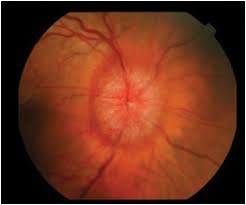
PAPILLOEDEMA


Papilloedema is a medical condition characterized by swelling of the optic disc, which is the point on the retina where the optic nerve fibers exit the eye. This swelling is usually caused by increased intracranial pressure (ICP).

Causes


1. _Increased intracranial pressure_: Conditions like brain tumors, meningitis, or idiopathic intracranial hypertension can cause papilloedema.


2. _Head trauma_: Severe head injuries can lead to increased ICP and papilloedema.

Symptoms


1. _Visual disturbances_: Transient vision loss, double vision, or blind spots.


2. _Headaches_: Often worse in the morning.


3. _Nausea and vomiting_: May occur due to increased ICP.

Complications


1. _Vision loss_: Untreated papilloedema can lead to permanent vision loss.


2. _Optic nerve damage_: Prolonged swelling can damage the optic nerve.

Diagnosis


1. _Ophthalmoscopy_: Examination of the optic disc to detect swelling.


2. _Imaging tests_: MRI or CT scans to identify underlying causes.

Treatment


1. _Addressing underlying cause_: Treating the underlying condition causing increased ICP.


2. _Monitoring_: Regular eye exams to track optic disc swelling and vision.

If you’re experiencing symptoms or concerns, consult an eye care professional or a healthcare provider for proper evaluation and guidance.
COLOUR VISION DEFICIENCY


Color vision deficiency, also known as color blindness, is a condition where a person has difficulty perceiving certain colors. This is usually due to a genetic mutation affecting the light-sensitive cells (photoreceptors) in the retina.

Types


1. _Red-green color blindness_: Most common type, where individuals struggle to distinguish between red and green colors.


2. _Monochromacy_: Rare condition where a person sees the world in shades of gray only.


3. _Tritanopia_: Difficulty perceiving blue colors.

Causes


1. _Genetics_: Inherited trait, more common in males.


2. _Age-related_: Can occur due to aging.


3. _Eye diseases_: Certain conditions like cataracts or age-related macular degeneration.

Effects


1. _Difficulty with color distinction_: Challenges in everyday tasks, like selecting ripe fruit or understanding color-coded information.


2. _Adaptation_: Many people develop coping strategies.

Diagnosis


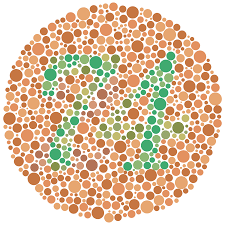
1. _Ishihara test_: A common test using dot patterns to identify color vision deficiency.


2. _Other tests_: Like the Hardy-Rand-Rittler test or the City University Color Vision Test.

If you’re concerned about color vision deficiency, consult an eye care professional for proper evaluation and guidance.
CHARLES BONNET SYNDROME

Charles Bonnet Syndrome

Charles Bonnet Syndrome (CBS) is a condition where people with significant vision loss experience vivid visual hallucinations. These hallucinations can range from simple patterns to complex images, such as people, animals, or objects.

Characteristics

  1. Visual hallucinations: CBS hallucinations are typically visual and can be very vivid.
  2. Vision loss: CBS typically occurs in people with significant vision loss, often due to age-related macular degeneration, cataracts, or other eye conditions.
  3. Insight: People with CBS often have insight into the fact that their hallucinations are not real.

Symptoms

  1. Hallucinations: Can be simple (e.g., patterns, shapes) or complex (e.g., people, animals).
  2. Variable frequency: Hallucinations can occur frequently or infrequently.
  3. Variable duration: Hallucinations can last from seconds to hours.

Management

  1. Reassurance: Educating patients that CBS is a recognized condition can be helpful.
  2. Coping strategies: Techniques like closing eyes or looking away can help manage hallucinations.
  3. Addressing underlying conditions: Managing underlying eye conditions can help alleviate symptoms.

If you’re experiencing symptoms or concerns, consult an eye doctor or a healthcare professional for proper diagnosis and guidance.

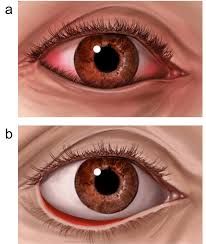
ENTROPION

Entropion

Entropion is a condition where the eyelid rolls inward, causing the eyelashes to rub against the cornea. This can lead to:

  1. Eye irritation: Discomfort, redness, and tearing.
  2. Corneal damage: Potential scarring or ulcers.

Causes include:

  1. Aging: Weakening of eyelid muscles.
  2. Scarring: From injury or infection.
  3. Muscle weakness: Certain neurological conditions.

Treatment often involves surgery to tighten or reposition the eyelid. If you’re experiencing symptoms, consult an eye doctor for proper diagnosis and treatment.

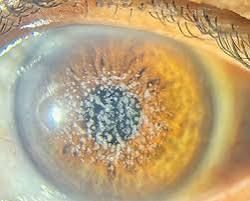
CORNEA DYSTROPHIES

Corneal Dystrophy

Corneal dystrophy is a group of genetic eye disorders that affect the cornea, leading to progressive vision loss. It’s characterized by:

  1. Abnormal corneal changes: Clouding, thinning, or scarring of the cornea.
  2. Gradual vision loss: Vision becomes increasingly blurred or distorted.
  3. Inherited: Often passed down through families.

Types include Fuchs’ dystrophy, keratoconus, and others.

Treatment may involve medication, surgery, or corneal transplant.

Regular eye exams are essential for monitoring and managing the condition.

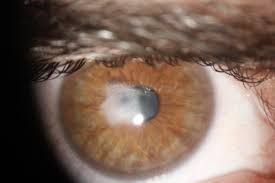
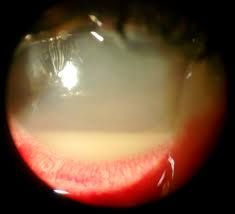
CORNEA SCAR

A corneal scar is an opacity or mark on the cornea, often caused by injury, infection, or surgery, affecting vision and potentially causing blurred or distorted vision.
Treatment options for corneal scars depend on the severity and location of the scar. They may include:


Treatment options for corneal scars depend on the severity and location of the scar. They may include:

1. Observation: Monitoring the scar for changes.


2. Medications: Using topical medications to reduce inflammation.


3. Corneal scraping or smoothing: Removing or smoothing the scar tissue.


4. Phototherapeutic keratectomy (PTK): Using laser treatment to remove scar tissue.


5. Corneal transplant: Replacing the damaged cornea with a donor cornea.

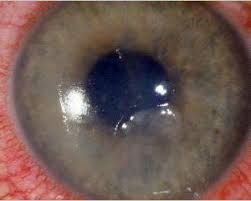
CORNEA EROSION

Corneal erosion is a condition where the outer layer of the cornea (epithelium) loosens or falls off, often causing pain, blurred vision, and sensitivity to light.

It can be caused by trauma, dry eye, or certain corneal conditions.

Treatment typically involves lubricating eye drops and, in some cases, bandage contact lenses or surgery.

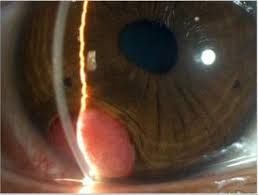
LEIYOMYOMA

Leiomyoma is a rare, benign tumor that originates from smooth muscle cells.

In the context of the eye, it can occur in the iris. It typically presents as a well-defined, vascularized mass.

Symptoms may include blurred vision or changes in the appearance of the iris.

Treatment usually involves surgical removal.

IRIS STROMAL CYSTS

Iris stromal cysts are benign, fluid-filled growths that occur within the iris stroma, the front layer of the iris.

They can be primary (congenital) or secondary (acquired, often due to trauma or surgery).

Symptoms may include blurred vision, eye pain, or noticeable changes in the iris. Treatment usually involves monitoring or surgical removal if the cyst causes significant issues.

ENDOPTHAMITIS

Endophthalmitis is a severe inflammation of the interior of the eye, usually caused by infection.

It can occur after eye surgery, eye trauma, or from an infection elsewhere in the body that spreads to the eye.

Symptoms may include:

– Severe eye pain
– Redness and swelling
– Vision loss
– Discharge or pus
– Sensitivity to light

If left untreated, endophthalmitis can lead to permanent vision loss or even loss of the eye. Prompt medical attention is essential if symptoms occur.

It can be treated by

– 1. travitreal antibiotics: Injecting antibiotics directly into the eye to target the infection

-2. Systemic antibiotics: Administering antibiotics orally or intravenously to support treatment

– 3. Vitrectomy:  Surgical removal of infected vitreous gel to reduce inflammation and prevent further damage


–  4. Steroids: May be used to reduce inflammation, but with caution and under close monitoring

Early diagnosis and aggressive treatment are crucial to preserving vision and preventing complications.