Eagleview Eye Clinic

Tag eye anti-oxidants

DISCIFORM SCAR

Disciform scar is the final scar stage of wet AMD or other causes of choroidal neovascularization (CNV). It’s basically the eye’s “healing” response after a bleed under the macula, but the scar damages central vision.

What it is

  • Definition: A gray-white, disc-shaped fibrous scar under the retina in the macular area
  • Size: Usually 1-5 mm wide, right where you need sharp vision
  • Tissue: Made of fibrous tissue, blood vessels, and pigment after a CNV membrane closes off

How it forms

  1. CNV develops: Abnormal blood vessels from the choroid break through Bruch’s membrane into the subretinal space
  2. Leakage and bleeding: Those vessels are fragile. They leak fluid and blood under the macula
  3. Inflammation + scarring: Your body tries to heal the bleed. Fibroblasts lay down collagen and the CNV becomes fibrotic
  4. RPE disruption: Retinal pigment epithelium clumps or dies, leaving pigment changes around the scar
  5. End stage: Active leakage stops, but the scar remains. This whole process takes weeks to months

Main causes

  • Wet age-related macular degeneration: Most common cause. Seen in patients 60+
  • Pathologic myopia: Can also end in a disciform scar, but in younger myopes it’s often called a Fuchs spot
  • Ocular histoplasmosis: POHS can cause CNV and scarring
  • Trauma or inflammation: Any CNV that bleeds can end this way if untreated

Appearance on exam

  • Color: Gray-white to yellow-white central lesion
  • Shape: Round or oval, “disc” like
  • Surrounding changes: Pigment clumps, atrophy, or lipid deposits at the edges
  • Size: Correlates with how bad vision loss is. Larger = worse

Symptoms

  • Central vision loss: Permanent blur or blank spot in the middle of vision
  • Distortion first: Before scar forms, patients report wavy lines from fluid. After scarring, it’s replaced by a fixed blind spot
  • Peripheral vision stays: You won’t go completely blind. Side vision is normal
  • Contrast loss: Reading and faces are hard even if acuity isn’t terrible

Diagnosis

  • Dilated fundus exam: Doctor sees the pale elevated scar
  • OCT scan: Shows hyperreflective subretinal material, loss of outer retinal layers, RPE disruption
  • Fluorescein angiography: Early CNV leaks. Late disciform scar stains but doesn’t leak because vessels are closed
  • History: Patient usually describes sudden vision drop months earlier from a bleed

Treatment

  • No reversing the scar: Once formed, the tissue is fibrotic and vision doesn’t return
  • Goal is prevention: Anti-VEGF injections like Avastin, Eylea, Vabysmo treat active wet AMD before it scars
  • Too late if scarred: Injections don’t help a mature disciform scar
  • Low vision rehab: Magnifiers, better lighting, eccentric viewing training to use peripheral retina

Disciform scar vs Fuchs spot
Feature Disciform scar Fuchs spot
Main cause Wet AMD Myopic CNV
Age 60+ usually 30s-50s
Color Gray-white fibrous Dark pigmented
Eye shape Normal axial length Long, >26.5 mm
Bilaterality Second eye at risk in 4-7 years Second eye at risk in 30-35%
Prognosis

  • Vision: Usually 6/60 or worse if the scar is subfoveal. If it’s off center, vision may be 6/12 to 6/24
  • Stability: Scar doesn’t grow, but geographic atrophy can develop around it
  • Other eye: High risk of wet AMD in fellow eye. Regular monitoring with Amsler grid and OCT is key

Bottom line: A disciform scar is the “tombstone” of wet AMD. Modern anti-VEGF therapy has made them much less common because we can shut down CNV before it bleeds and scars. That’s why sudden distortion or vision drop needs an urgent retina check.
CONDITIONS THAT CAN OCCUR FROM CONTACT LENS USE

😊 Contact lens misuse can lead to various eye issues, including:

  • Infections: Bacterial (e.g., bacterial keratitis), fungal, or viral (e.g., adenovirus).
  • Irritation and allergies: Giant papillary conjunctivitis (GPC), allergic reactions to lens solutions.
  • Corneal issues: Abrasions, ulcers, neovascularization, or dellen.
  • Hypoxia-related problems: Corneal edema, neovascularization.
  • Other: Dry eye, discomfort, or lens-related complications.

EMMETROPIZATION

Emmetropization is the eye’s natural tendency to adjust its focus so that light is properly focused on the retina, achieving clear vision without glasses.

How it works:

  • During childhood, the eye grows and the lens changes shape to match the eye’s length.
  • If the eye is too short or long, it can lead to refractive errors like myopia (nearsightedness) or hyperopia (farsightedness).
  • The brain and eye work together to fine-tune focus, but if this process is disrupted (like by too much near work), it can cause myopia progression.

Key points:

  • Critical period: Mainly happens in childhood and early teens.
  • Visual input matters: Clear vision encourages proper emmetropization; blurred or restricted vision can lead to refractive errors.
  • Myopia control: Treatments like low-dose atropine drops, orthokeratology lenses, or multifocal lenses aim to slow myopia by influencing this process.
ZINC ION

👨‍⚕️ Zinc ion (Zn²⁺) is an essential mineral.

Key points:

  1. Biological role: Enzyme function and protein synthesis
  2. Immune support: Helps fight infections
  3. Wound healing: Supports tissue repair

Eye health connection:

  1. Age-related macular degeneration: May help slow progression
  2. Night vision: Zinc supports retina health
  3. Dry eyes: Zinc supplements may help symptoms

Sources:

  1. Diet: Oysters, beef, chicken, nuts, and seeds
  2. Supplements: Zinc gluconate or zinc sulfate
VITAMIN A CAPSULES

Vitamin capsules are dietary supplements containing essential vitamins and minerals.

Key points:

  1. Multivitamins: Combine various vitamins and minerals
  2. Specific formulations: Targeted benefits (e.g., eye health)
  3. Bioavailability: Varies depending on formulation

Common ingredients:

  1. Vitamin A: Supports vision and immune function
  2. Vitamin C: Antioxidant properties
  3. Vitamin E: Protects cells from damage

Eye health support:

  1. Lutein and zeaxanthin: Protect macula
  2. Vitamin A: Supports retina health
  3. Omega-3 fatty acids: Supports eye health
SALACYN EYEDROPS

Salacyn 5% Eye Drops are essentially concentrated salt (sodium chloride) used for the temporary relief of swollen eyes (corneal edema) by drawing excess fluid out of the cornea. They are a prescription medication, often causing mild stinging initially, and typically applied as 1-2 drops every 3-4 hours as directed by a doctor, helping to clear the fluid via tears. 

Key Details:

  • Active Ingredient: Sodium Chloride (Salt).
  • Purpose: Reduces corneal swelling (edema) by creating a hypertonic solution that pulls fluid out of the eye.
  • How it Works: The high salt concentration draws water from the swollen cornea into the tear film, which is then shed, reducing swelling and improving vision.
  • Dosage: Usually 1 to 2 drops in the affected eye(s) every 3 to 4 hours, or as prescribed.
  • Common Sensation: Mild stinging or burning is normal upon application but usually subsides quickly.
  • Availability: Prescription-only (POM) in many regions, manufactured by companies like Ashford Laboratories.
  • Usage: Do not touch the tip of the dropper to any surface to prevent contamination; keep the cap tightly closed. 

Important Considerations:

  • Consult a Doctor: Always use under professional guidance; your doctor needs to confirm it’s the right treatment for your specific condition.
  • Symptoms: If symptoms don’t improve or worsen, contact your eye doctor.
  • Serious Side Effects: Rare but contact your doctor if you experience severe allergic reactions (hives, swelling) or signs of salicylate toxicity (nausea, dizziness, hearing loss). 

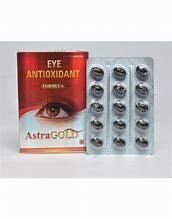
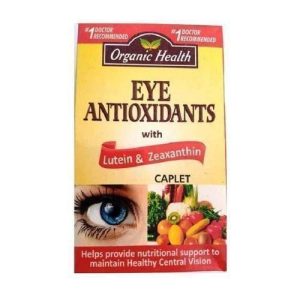
EYE ANTIOXIDANTS

👨‍⚕️ Eye antioxidants help protect eyes from oxidative stress and damage.

Key antioxidants:

  1. Lutein: Found in retina, filters blue light
  2. Zeaxanthin: Protects macula
  3. Vitamin C: Supports collagen production
  4. Vitamin E: Protects cell membranes
  5. Zinc: Essential for retina health

Benefits:

  1. AMD prevention: Reduces risk
  2. Cataract prevention: May slow progression
  3. Eye health: Supports overall vision

Food sources:

  1. Leafy greens: Spinach, kale
  2. Colorful fruits: Berries, citrus
  3. Nuts and seeds: Almonds, sunflower seeds
  4. Fatty fish: Salmon, tuna