Eagleview Eye Clinic

Tag Eye clinic

EMMETROPIZATION

Emmetropization is the eye’s natural tendency to adjust its focus so that light is properly focused on the retina, achieving clear vision without glasses.

How it works:

  • During childhood, the eye grows and the lens changes shape to match the eye’s length.
  • If the eye is too short or long, it can lead to refractive errors like myopia (nearsightedness) or hyperopia (farsightedness).
  • The brain and eye work together to fine-tune focus, but if this process is disrupted (like by too much near work), it can cause myopia progression.

Key points:

  • Critical period: Mainly happens in childhood and early teens.
  • Visual input matters: Clear vision encourages proper emmetropization; blurred or restricted vision can lead to refractive errors.
  • Myopia control: Treatments like low-dose atropine drops, orthokeratology lenses, or multifocal lenses aim to slow myopia by influencing this process.
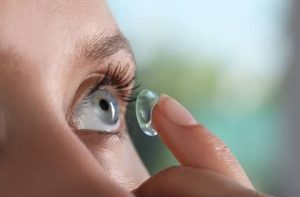
BANDAGE CONTACT LENSES

Bandage contact lenses are special soft lenses placed on the eye like a protective patch. They’re used after corneal injuries, surgeries, or infections to:

  • Promote healing: By covering the cornea, they protect it from blinking and eyelid friction.
  • Reduce pain: The lens acts as a barrier, decreasing discomfort.
  • Keep the eye moist: They help maintain a stable tear film over the cornea.

How they work:

  • Fit like a regular contact lens but are larger and more comfortable.
  • Made of high-oxygen-permeable materials so the cornea can still breathe.
  • Often used after procedures like corneal debridement, PRK, or for conditions like bullous keratopathy.

They’re usually prescribed by an eye doctor and worn for days to weeks depending on the condition.

CORNEA DEBRIDING

Corneal debridement is the careful removal of damaged, diseased, or infected tissue from the cornea. It’s a common procedure in eye care, especially for infections like fungal keratitis.

Why it’s done:

  • Improves drug penetration: Meds can reach deeper layers better.
  • Diagnostic: Tissue can be tested to identify the pathogen.
  • Therapeutic: Removes infected tissue to stop spread.

How it’s done:

  1. Numbing: Anesthetic eye drops are used to prevent pain.
  2. Sterile instruments: A spatula, blade, or cotton swab is used to gently scrape the cornea.
  3. Microscope guidance: Often done under a slit-lamp or operating microscope.
  4. Cleaning: After scraping, the area may be irrigated.
  5. Medication: Antifungal, antibacterial, or antiviral drops are applied afterward.

It’s usually quick (minutes) and done in a clinic or minor operating room.

VIRAL CONJUNCTIVITIS

Viral keratitis = corneal infection caused by a virus (most often herpes simplex virus type 1). It’s a common cause of corneal inflammation and can lead to recurrent episodes.

Causes

  • Herpes simplex virus type 1 (HSV-1): Most common
  • Varicella-zoster virus (VZV): Shingles can affect the eye
  • Other viruses like adenovirus can cause keratitis too

Symptoms

  • Watery eyes
  • Eye pain or discomfort
  • Redness
  • Sensitivity to light (photophobia)
  • Blurred vision
  • Feeling of something in the eye
  • Sometimes tiny corneal ulcers or dendritic lesions (branching pattern)

Diagnosis

  • Slit-lamp exam: Look for typical dendritic ulcers with fluorescein stain
  • Viral PCR testing (corneal scraping) if needed

Treatment

  • Antivirals: Acyclovir ointment, ganciclovir gel, or oral antivirals for HSV
  • Steroids: May be used cautiously to reduce inflammation, but need monitoring
  • Supportive care: Lubricating eye drops for comfort

Complications

  • Recurrent episodes (HSV can hide in nerves and reactivate)
  • Corneal scarring → vision loss
  • Stromal keratitis (deeper corneal inflammation)

Prevention

  • Good hand hygiene
  • Avoid touching or rubbing eyes
  • Antiviral prophylaxis may be used for recurrent cases

FUNGAL KERATITIS

Fungal keratitis = infection of the cornea (the clear front part of the eye) caused by fungi. It’s less common than bacterial keratitis but can be more sneaky and harder to treat.

How it happens 🍄

  • Trauma with organic matter (tree branch, soil, plant material)
  • Contact lenses (especially if you wear them overnight or in dirty conditions)
  • Immunosuppression or chronic eye disease
  • Contaminated eye drops or solutions

Common culprits

  • Filamentous fungi: Fusarium, Aspergillus
  • Yeasts: Candida

Symptoms (often slower onset than bacterial)

  • Eye pain (can be severe)
  • Redness
  • Blurred or hazy vision
  • Sensitivity to light (photophobia)
  • Tearing or watery discharge
  • White, gray, or feathery corneal infiltrate (spot)

Diagnosis

  • Slit-lamp exam: Looks for typical fungal plaque or ulcer
  • Corneal scraping: Microscopy and culture to ID the fungus
  • Sometimes PCR testing for faster results

Treatment goals

  1. Kill the fungus
  2. Control inflammation
  3. Prevent complications (like scarring or perforation)

Treatment options

  • Topical antifungals: Natamycin 5% (gold standard for filamentous), Amphotericin B, Voriconazole drops
  • Oral antifungals: Voriconazole or Itraconazole for severe/deep cases
  • Debridement: Scrape infected tissue to improve drug penetration
  • Steroids: Controversial; used cautiously to control inflammation after fungal load is down

Complications if untreated

  • Corneal scarring → vision loss
  • Corneal perforation (hole in cornea)
  • Endophthalmitis (infection spreads inside the eye)

Prevention tips

  • Protect eyes in dusty/agricultural settings (goggles)
  • Proper contact lens hygiene (clean, replace solutions, no overnight wear unless approved)
  • Avoid rubbing eyes after injury; seek care ASAP
SECONDARY EYE INFECTION

Secondary eye infection = infection that shows up after the eye’s already been hurt or irritated (like after a lash‑extension mishap or the irrigation you just did). Basically, the eye’s natural barrier gets compromised, and bacteria or fungi take advantage of that opening.

What it looks like 👀

  • Redness that gets worse or spreads
  • Swelling around the eyelid or eye itself
  • Discharge that’s yellow‑green, thick, or crusty (not just watery tears)
  • Pain or a gritty feeling that lingers
  • Vision changes (blurry, hazy)
  • Itching or a feeling like something’s still in the eye

Common culprits 🦠

  • Bacterial: Staphylococcus, Streptococcus, Pseudomonas (especially if you used tap water for irrigation)
  • Fungal: rare, but can happen after prolonged steroid use or contaminated solutions
  • Viral: sometimes a secondary viral conjunctivitis can tag along

Prevention tips 🛡️

  1. Use sterile saline (or a commercial eye‑wash) for irrigation—no tap water.
  2. Keep hands clean before touching the eye area.
  3. Don’t reuse applicators or share eye drops.
  4. Replace contact lenses (if you wear them) with a fresh pair after the incident.
  5. Avoid rubbing the eye—use a clean, damp compress instead.

When to get professional help 🚨

  • Symptoms persist >24 h after irrigation
  • You notice increasing pain, swelling, or discharge
  • Vision gets blurry or cloudy
  • Any fever or feeling generally unwell

A doctor can prescribe antibiotic eye drops/ointment (e.g., moxifloxacin, tobramycin) or antifungal drops if needed. Early treatment usually clears it up fast.

COPIOUS IRRIGATION

Copious irrigation is like giving your eye a superhero-level rinse! 🚿💦 Here’s the deets:

What it is:

Flushing the eye with a large amount of sterile water or saline solution to remove irritants, chemicals, or foreign particles (like lash glue!).

How to do it:

  1. Use sterile water or saline: Lukewarm is best.
  2. Flush for 15-20 minutes: Keep the eye open and pour water/saline continuously.
  3. Tilt head: To the side, so the water runs out of the eye.
  4. Avoid rubbing: Gently keep the eye open.

When to do it:

  • After a lash extension accident
  • Chemical splash
  • Foreign object in the eye

Why it’s important:

  • Removes harmful substances
  • Reduces risk of damage or infection
  • Soothes irritation

LASH EXTENSION ACCIDENT

Lash extension accidents can be super scary 😱! Here’s the lowdown:

If you got glue or an extension in your eye, you might experience:

  • Redness
  • Irritation or burning
  • Tearing or watery eyes
  • Blurry vision (temporary)
  • Swelling (in severe cases)

What to do:

  1. Flush your eye: Rinse with saline solution or water for a few minutes.
  2. Don’t touch or rub: Avoid touching or rubbing your eye.
  3. Remove the extension: If you can see it, gently try to remove it with clean fingers or tweezers. Don’t force it!
  4. Seek medical help: If symptoms persist or you’re unsure, consult an eye doctor ASAP.
DARK EYE CIRCLES

Dark eye circles 👀🖤 can be tricky. Here’s the lowdown:

Causes:

  1. Thin skin: Shows underlying blood vessels
  2. Allergies: Histamines cause swelling
  3. Fatigue: Lack of sleep shows!
  4. Genetics: Some skin tones show darker circles
  5. Aging: Skin loses collagen

Fixes & hacks:

  1. Sleep: Aim for 7-9 hrs 💤
  2. Cold compress: Shrink those vessels ❤️‍🩹
  3. Concealer: Quick cover-up 💄
  4. Allergy meds: If allergies are the culprit 🤧
  5. Eye creams: With retinol or vitamin K 🌿

EYE BAGS

😴 Eyebags are those pesky puffy areas under your eyes 👀

What causes ’em?

  1. Fluid retention: Salt, allergies, or hormones
  2. Lack of sleep: Hello, tired eyes 🛋️
  3. Genetics: Blame your parents 😂
  4. Aging: Skin loses elasticity over time

How to tackle?

  1. Cold compress: Reduce puffiness ❤️‍🩹
  2. Get sleep: Catch those Z’s 😴
  3. Cucumber slices: Soothe and refresh 🥒
  4. Tea bags: Caffeine can help constrict 🍵