Eagleview Eye Clinic
IMPACT OF GLAUCOMA ON THE QUALITY OF LIFE

Glaucoma significantly impacts the quality of life for those affected. Studies have shown that people with glaucoma experience ¹ ²:

  • Reduced Mobility: 60% of participants in one study couldn’t drive due to glaucoma-related vision loss, while others reported difficulty noticing things while walking or sitting in one place.
  • Emotional Distress: The psychosocial impact of glaucoma can lead to feelings of dependency and being a burden on family members, greatly affecting mental health.
  • Daily Activity Limitations: Patients experience difficulty reading, recognizing faces, and performing daily tasks due to progressive vision loss.
  • Poor General and Vision-Related Quality of Life: Monocular glaucoma patients have lower overall quality of life scores, with depression being a common comorbidity.
  • Financial Burden: Glaucoma patients, especially those in middle to low-income countries, may experience reduced monthly earnings due to limited mobility and job opportunities.

Factors Affecting Quality of Life:

  • Visual Acuity: The severity of vision loss directly impacts quality of life.
  • Female Gender: Women may experience a greater impact on their quality of life due to glaucoma.
  • Treatment Regimens: Surgical treatment and number of topical medications can negatively impact vision-related quality of life ² ³ ⁴.

Support and Resources:

  • Social welfare and psycho-social institutions can provide essential support for glaucoma patients.
  • Access to proper medical care, rehabilitation services, and counseling can help mitigate the impact of glaucoma on quality of life ¹.
IMPACT OF GLAUCOMA ON THE QUALITY OF LIFE

Glaucoma significantly impacts the quality of life for those affected. Studies have shown that people with glaucoma experience ¹ ²:

  • Reduced Mobility: 60% of participants in one study couldn’t drive due to glaucoma-related vision loss, while others reported difficulty noticing things while walking or sitting in one place.
  • Emotional Distress: The psychosocial impact of glaucoma can lead to feelings of dependency and being a burden on family members, greatly affecting mental health.
  • Daily Activity Limitations: Patients experience difficulty reading, recognizing faces, and performing daily tasks due to progressive vision loss.
  • Poor General and Vision-Related Quality of Life: Monocular glaucoma patients have lower overall quality of life scores, with depression being a common comorbidity.
  • Financial Burden: Glaucoma patients, especially those in middle to low-income countries, may experience reduced monthly earnings due to limited mobility and job opportunities.

Factors Affecting Quality of Life:

  • Visual Acuity: The severity of vision loss directly impacts quality of life.
  • Female Gender: Women may experience a greater impact on their quality of life due to glaucoma.
  • Treatment Regimens: Surgical treatment and number of topical medications can negatively impact vision-related quality of life ² ³ ⁴.

Support and Resources:

  • Social welfare and psycho-social institutions can provide essential support for glaucoma patients.
  • Access to proper medical care, rehabilitation services, and counseling can help mitigate the impact of glaucoma on quality of life ¹.
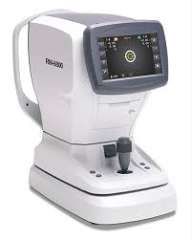
AUTO REFRACTOMETER

An autorefractor or auto refractometer is an ophthalmic device used to measure the refractive error of a patient’s eyes. It provides an objective measurement of the eye’s focusing power, helping eye care professionals to determine the correct prescription for glasses or contact lenses.

Key Features

  • Automated measurement: Quick and accurate measurements with minimal patient input.
  • Refractive error assessment: Measures sphere, cylinder, and axis values for astigmatism.
  • Pupil size measurement: Some autorefractors can measure pupil size.

Uses

  • Eye exams: Routine eye exams to determine refractive error and prescribe corrective lenses.
  • Screening: Vision screenings in schools, clinics, or community settings.
  • Pre-operative assessment: Measuring refractive error before eye surgery.

Benefits

  • Accurate measurements: Provides reliable and consistent results.
  • Efficient workflow: Streamlines the eye exam process.
  • Easy to use: User-friendly interface for both patients and eye care professionals.
SLIT LAMP BIOMICROSCOPE

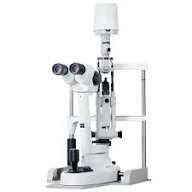
A slit lamp biomicroscope is an ophthalmic instrument used to examine the anterior segment of the eye, including the cornea, iris, lens, and anterior chamber. It provides a detailed, magnified view of these structures, allowing eye care professionals to diagnose and manage various eye conditions, such as cataracts, glaucoma, and corneal diseases. The slit lamp’s bright light source and adjustable slit allow for precise control over illumination, enabling detailed examination of the eye’s structures.

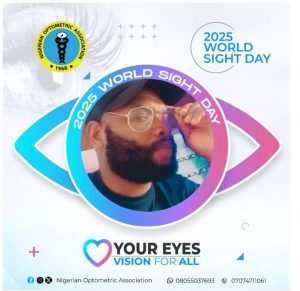
WORLD SIGHT DAY 2025

World Sight Day is an annual global event held on the second Thursday of October to raise awareness about blindness and vision impairment. It’s a call to action for individuals, organizations, and governments to prioritize eye health and ensure accessible, available, and affordable eye care services for everyone.

The day emphasizes the importance of regular eye exams, proper eye care, and timely interventions to prevent vision loss. It also highlights the need for global cooperation to address vision-related issues, such as cataracts, glaucoma, and diabetic retinopathy, which are leading causes of preventable blindness.

Key Objectives:

  • Raise Awareness: Educate people about eye health and the importance of regular eye exams
  • Promote Accessibility: Advocate for accessible, available, and affordable eye care services worldwide
  • Prevent Blindness: Support initiatives that prevent avoidable blindness and vision impairment

When: Second Thursday of October every year
Theme: Varies annually (e.g., “Love Your Eyes” for 2025)
Organizer: International Agency for the Prevention of Blindness (IAPB) ¹ ²

OPHTHALMOSCOPY

Ophthalmoscopy is a medical examination technique used to visualize the interior of the eye, particularly the retina, optic nerve, and macula. It involves using an ophthalmoscope to shine a light into the eye and magnify the reflected image, allowing healthcare professionals to assess the health of the eye and detect various eye conditions.

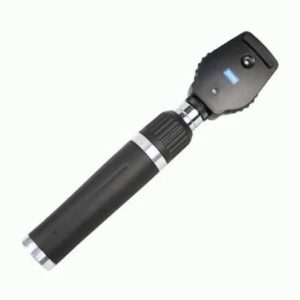
OPHTHALMOSCOPE

An ophthalmoscope is a medical device used to examine the interior of the eye, particularly the retina, optic nerve, and macula. It allows healthcare professionals to visualize the internal structures of the eye and diagnose various eye conditions.

Key Features of an Ophthalmoscope

  • Magnification: Ophthalmoscopes provide magnified views of the eye’s internal structures.
  • Illumination: They use a light source to illuminate the eye, allowing for clear visualization.
  • Adjustable settings: Many ophthalmoscopes have adjustable settings for different pupil sizes, refractive errors, and examination techniques.

Uses of an Ophthalmoscope

  • Eye exams: Ophthalmoscopes are essential tools for comprehensive eye exams.
  • Diabetic retinopathy screening: They help detect and monitor diabetic retinopathy.
  • Retinal disease diagnosis: Ophthalmoscopes aid in diagnosing and monitoring various retinal diseases, such as age-related macular degeneration.
  • Optic nerve evaluation: They allow for examination of the optic nerve head and detection of conditions like glaucoma.

Types of Ophthalmoscopes

  • Direct ophthalmoscope: A handheld device that provides a direct view of the retina.
  • Indirect ophthalmoscope: Uses a condensing lens to provide a wider view of the retina.
  • Fundus camera: A specialized camera that captures images of the retina and other internal eye structures.

Ophthalmoscopes are crucial tools for eye care professionals, enabling them to diagnose and manage various eye conditions.

LENS METER

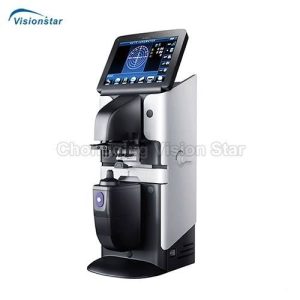
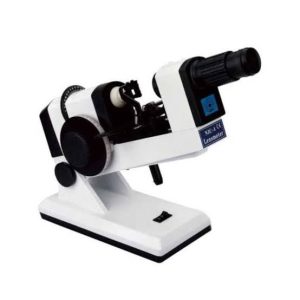
A lens meter, also known as a lensometer or focimeter, is an optical instrument used to measure the power and prescription of eyeglass lenses. It helps determine the correct lens power, axis, and other parameters for accurate vision correction.

Key Features of a Lens Meter

  • Lens Power Measurement: Measures the spherical, cylindrical, and axis powers of a lens.
  • Prescription Verification: Verifies the accuracy of a lens prescription.
  • Lens Identification: Identifies the type of lens, including single vision, bifocal, or progressive.
  • Quality Control: Checks for lens defects, such as scratches or distortions.

Types of Lens Meters

  • Manual Lens Meters: Require manual adjustment and reading of measurements.
  • Automatic Lens Meters: Use computerized technology for faster and more accurate measurements.
  • Digital Lens Meters: Display measurements digitally, often with additional features like data storage and analysis.

Applications of Lens Meters

  • Optometry and Ophthalmology: Used by eye care professionals to measure and verify lens prescriptions.
  • Optical Laboratories: Used to quality control and verify lenses before shipping to customers.
  • Research and Development: Used to test and develop new lens materials and designs.

Benefits of Lens Meters

  • Accurate Measurements: Ensures accurate lens prescriptions and minimizes errors.
  • Efficient Workflow: Streamlines the lens measurement process, saving time and increasing productivity.
  • Improved Patient Care: Enhances patient care by providing accurate and reliable lens prescriptions.
LENS BLANC FACTORY

A lens blanc factory produces high-quality, white lenses for various applications, including eyeglasses, sunglasses, and industrial uses. These lenses can be made from different materials, such as polycarbonate, Trivex, or glass, and often feature additional coatings for enhanced functionality.

Types of Lens Blanc Factories

  • Optical Lens Manufacturers: Companies specializing in producing prescription lenses for eyeglasses, including single vision, bifocal, and progressive lenses.
  • Sunglasses and Eyewear Brands: Factories that create lenses for sunglasses and other eyewear products, often with added features like UV protection, polarization, or blue light blocking.
  • Industrial Lens Suppliers: Manufacturers that provide lenses for industrial applications, such as laser cutting, welding, or machine vision systems ¹ ² ³.

Notable Lens Blanc Factory Features

  • Advanced Materials and Coatings: Factories may use innovative materials and coatings to enhance lens performance, such as anti-reflective coatings, scratch-resistant coatings, or photochromic technology.
  • Customization Options: Some factories offer customization services, allowing customers to choose from various lens materials, coatings, and designs to suit their specific needs.
  • Quality Control and Assurance: Reputable factories implement rigorous quality control measures to ensure lenses meet international standards and customer expectations.

Examples of Lens Blanc Factories

  • Lens Factory: A company offering replacement prescription lenses for glasses, with a focus on quality, affordability, and customer satisfaction.
  • ZEISS: A well-known manufacturer of high-quality optical lenses, including single vision, bifocal, and progressive lenses, designed for various applications.
  • Hongchen: A Chinese company producing 1.56 blue block photogray SHMC optical lenses, featuring photochromic technology and UV protection ⁴ ³ ¹.
BRAILLE

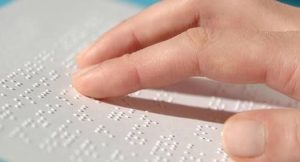
Braille is a tactile writing system used by people who are blind or have low vision. It consists of raised dots that are read by touch, allowing individuals to access written information independently.

History of Braille

  • Developed by Louis Braille: In 1824, Louis Braille, a French educator, created the braille system as a means of communication for the blind.
  • Evolution of Braille: Over the years, braille has undergone changes and improvements, including the development of Grade 2 and Grade 3 braille.

How Braille Works

  • Braille Cells: Braille consists of cells with six raised dots, arranged in a 3×2 grid. Each cell represents a letter, word, or punctuation mark.
  • Reading Braille: Braille readers move their fingers over the raised dots to recognize and interpret the text.

Types of Braille

  • Grade 1 Braille: A basic, phonetic representation of text, often used for beginners.
  • Grade 2 Braille: A more advanced, contracted form of braille, used for everyday reading and writing.
  • Grade 3 Braille: A highly contracted form of braille, used for specialized purposes, such as academic or technical writing.

Braille in the Digital Age

  • Braille Displays: Electronic devices that raise and lower braille dots to display digital text.
  • Braille E-readers: Devices specifically designed for reading digital braille content.
  • Braille Translation Software: Programs that convert print text to braille, making it easier to produce and access braille materials.

Importance of Braille

  • Independence: Braille enables individuals who are blind or have low vision to read and write independently.
  • Literacy: Braille is essential for literacy and education, providing access to written information and knowledge.
  • Employment: Braille skills can enhance employment opportunities and career advancement.

Resources

  • World Blind Union: An organization that promotes braille literacy and accessibility worldwide.
  • Braille Institute: A resource center that provides braille materials, training, and support.
  • Braille Authority: An organization that sets standards for braille usage and provides guidance on braille best practices.